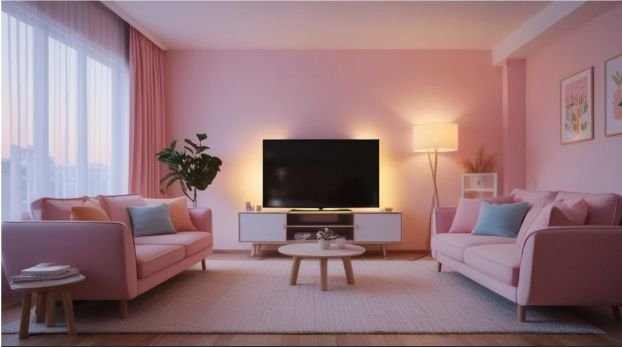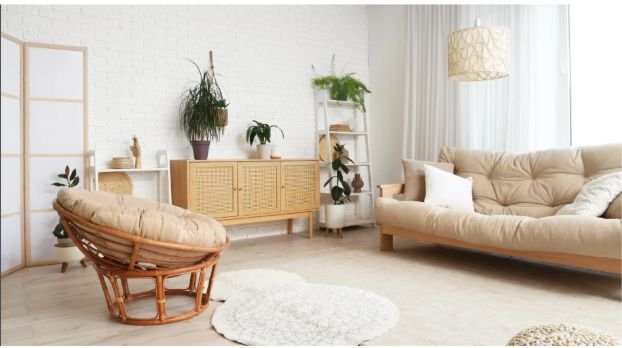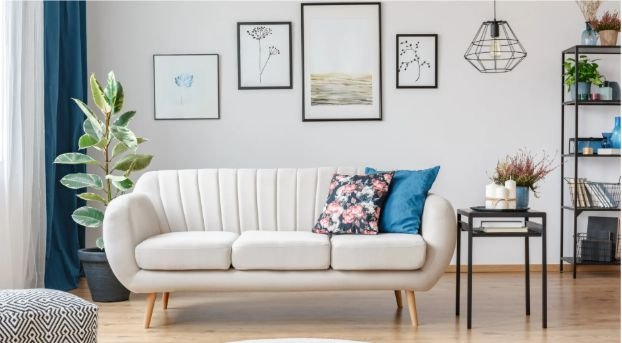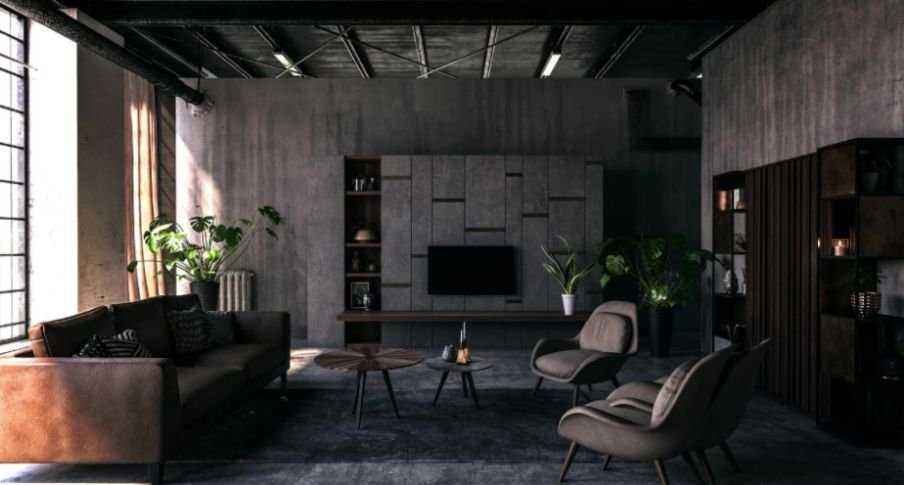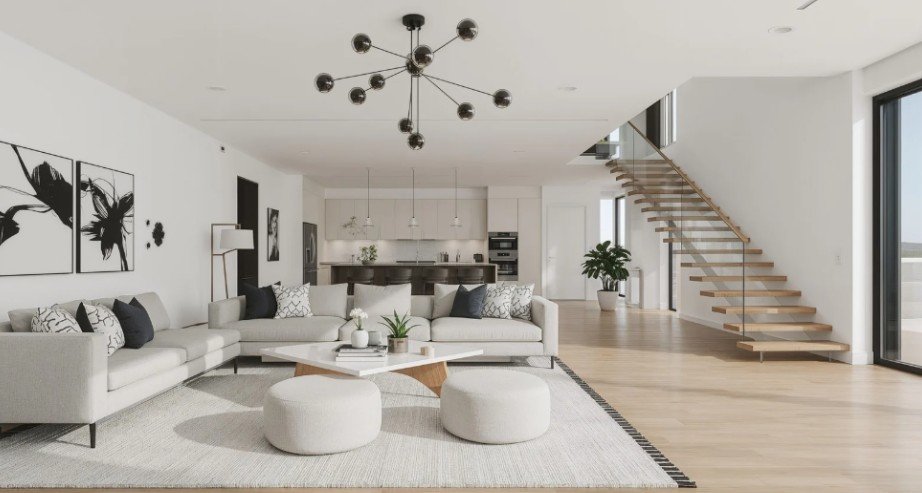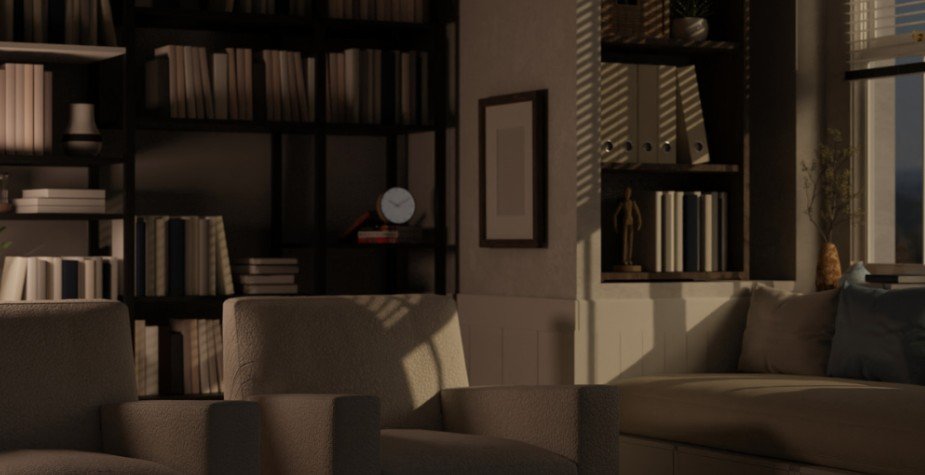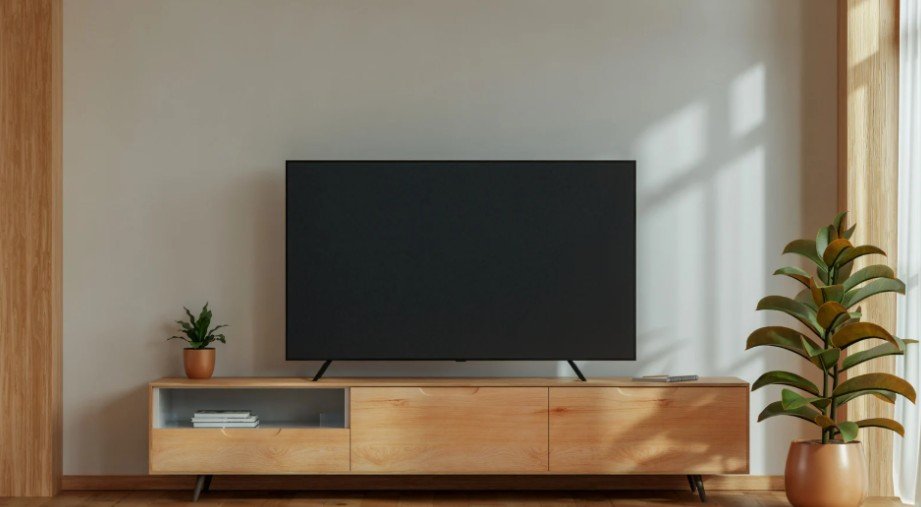
Figuring out how to arrange living room furniture with tv gets easier when I stop treating the screen as the only star of the room. The best layout should let you watch comfortably, walk through the room easily, enjoy natural light, and still have a space that feels like a living room, not a waiting area with a television.
Start With the TV Triangle Test
Before moving a sofa, I use a simple TV triangle test. The three points are the TV, the main seat, and the main walkway. If one point feels wrong, the whole room feels awkward.
The TV should face the primary sofa directly when possible. This keeps your neck relaxed and avoids that sideways twist people tolerate for months. For comfort, the screen center should sit close to seated eye level. Ergonomic guidance from Mayo Clinic says screens should sit at or slightly below eye level for comfortable viewing, which supports the same principle in living rooms.
The walkway matters just as much. Nobody should need to cross between the sofa and TV to reach another room. That one mistake makes even expensive furniture feel badly planned.
Place the Sofa for Comfort and Flow

The sofa is the anchor. I usually place it first, then build the room around it. When planning how to arrange living room furniture with tv, avoid pushing every piece against the wall by default. A floating sofa can make the room feel more intentional.
Best Viewing Distance
A good rule is to place the main sofa about 10 to 12 feet from the TV in medium and large living rooms. For smaller rooms, reduce the distance based on screen size. Larger screens need more breathing room.
If the TV feels too close, people lean back or avoid the room. If it feels too far, they squint or turn up the brightness. Both are signs the layout needs adjustment.
Coffee Table and Walkway Rules
Leave 14 to 18 inches between the sofa and coffee table. That gives enough space to move while keeping drinks and remotes within reach.
For walkways, leave a clear path behind or beside seating. In my own layouts, I treat traffic flow like furniture. It needs space, shape, and purpose.
Choose the Right TV and Window Layout
Windows can make or break a TV layout. Natural light looks beautiful, but glare ruins daytime viewing. The smartest solution is usually placing the TV perpendicular to the window wall.
Perpendicular TV Layout
This is the best overall layout for most homes. Place the TV on a wall adjacent to the window. Then place the sofa directly opposite the TV. The window stays to the left or right, so you enjoy daylight without staring into glare.
Add sheer curtains, Roman shades, or motorized shades if the room gets strong afternoon sun. This keeps the space bright without washing out the screen.
Under-the-Window Layout
For small rooms, a low media console under the window can work. Choose a shorter TV that does not block the window glass or sill. Then place the sofa across from both the TV and window.
This layout saves wall space, but it has one drawback. Daylight sits directly behind or around the screen, so blackout curtains may be needed for daytime viewing.
Floating Swivel Layout
In large rooms, I like using a floating sofa with swivel chairs near the window. The sofa faces the TV, while the chairs can turn toward the screen, the view, or conversation.
This layout works well when the living room has several doors, large windows, or an open-plan design. It also keeps walkways from cutting through the TV zone.
Balance the TV With Other Focal Points

A fireplace, large window, built-in shelves, or statement wall can compete with the TV. Do not force every focal point onto the same wall.
If you have a fireplace, avoid mounting the TV too high over the mantel unless the viewing angle is comfortable. A low console beside the fireplace often feels better and looks more natural.
For a conversation-friendly layout, place two sofas facing each other perpendicular to the TV wall. Then add swivel armchairs that turn toward the TV for movie nights. This keeps the room social without sacrificing screen visibility.
Style the Room Without Making It Feel Like a Theater
Once the layout works, soften the room. Use an area rug to anchor the seating zone. Choose a media console wider than the TV so the wall feels balanced. A tiny console under a large screen can make the setup look top-heavy.
Mix shapes too. A straight sofa pairs well with a round coffee table. Boxy sectionals look warmer with curved side tables or soft ottomans.
Safety also matters. The U.S. Consumer Product Safety Commission recommends anchoring TVs and furniture to prevent tip-over injuries, especially in homes with children. A beautiful layout is not finished until heavy pieces are secure.
For more room planning inspiration, explore living room furniture layout ideas before choosing your final setup.
FAQs
1. How do I arrange a small living room with a TV?
Use a compact sofa facing the TV, choose a low media console, and keep walkways open instead of adding extra chairs.
2. Should the couch face the TV or fireplace?
The couch should face the feature used most often, but swivel chairs can help balance both.
3. Can I put a TV in front of a window?
Yes, but only with a low console, smaller TV, and curtains to control glare.
4. What is the best layout for how to arrange living room furniture with tv and windows?
Place the TV perpendicular to the window wall and position the sofa directly across from the screen.
The Final Couch Boss Move
The best layout is not the one that looks perfect in a showroom. It is the one that works at 7 p.m., when someone is watching TV, someone else is walking through the room, and the coffee table is actually being used.
My final tip is simple: tape the sofa, TV stand, and coffee table positions on the floor before moving anything heavy. If the taped layout feels easy to walk through, comfortable to view, and balanced with the window, you have found your winner.