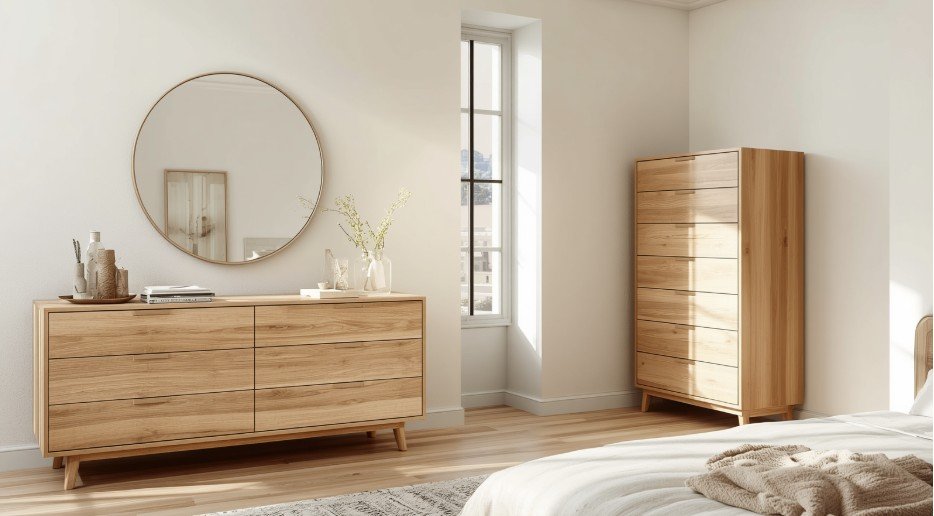
A child does not need a large study room to focus better at home. Sometimes, one calm corner with the right desk, chair, storage, and lighting can make homework feel easier.
For many US families living in apartments, townhomes, or shared bedrooms, choosing the right kids furniture for quiet study corner setups is the simplest way to create a distraction-free learning space without redesigning the whole home.
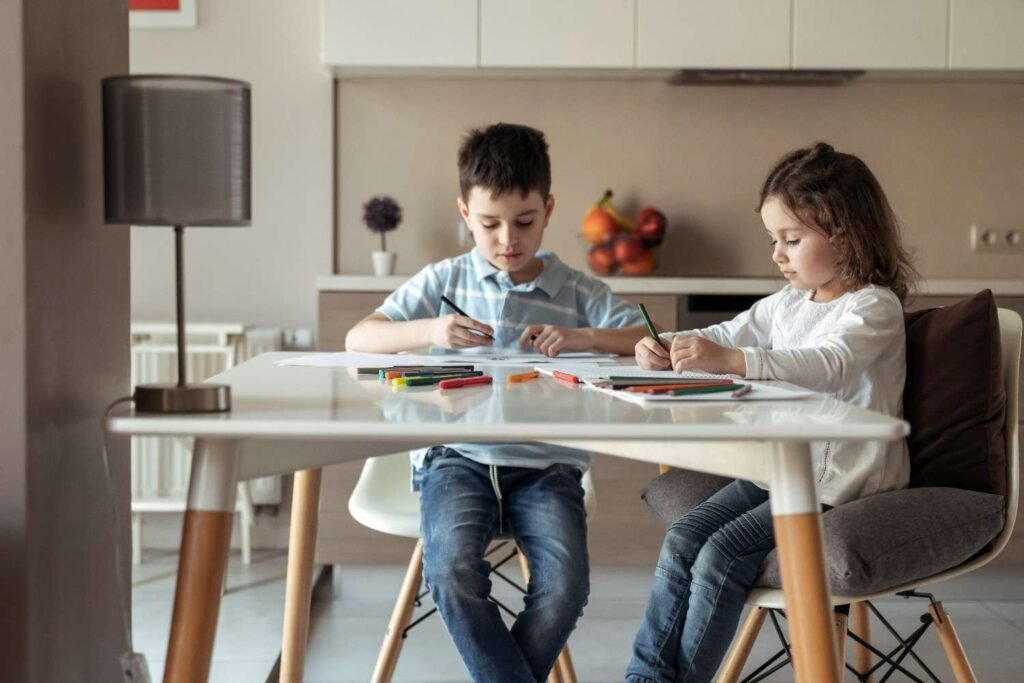
A good study corner should feel comfortable, organized, and separate from play areas. When kids sit in the same place every day for reading, writing, and school projects, they start building stronger homework habits. The goal is not to create a strict classroom at home. The goal is to design a peaceful, child-friendly space that supports focus.
Why Does a Quiet Study Corner Help Kids Focus?
Children respond strongly to their surroundings. A bed encourages rest, a play area encourages fun, and a study corner encourages learning. When the space feels calm and predictable, kids can move into homework mode faster.
A quiet homework space for kids also reduces everyday distractions like television, toys, loud household traffic, and clutter. It also helps limit the health dangers of loud noises, especially when children need a peaceful space to concentrate after school. A simple desk, supportive chair, and clean work surface can make study time feel less stressful and more manageable.
What Furniture Does a Kids Study Corner Need?

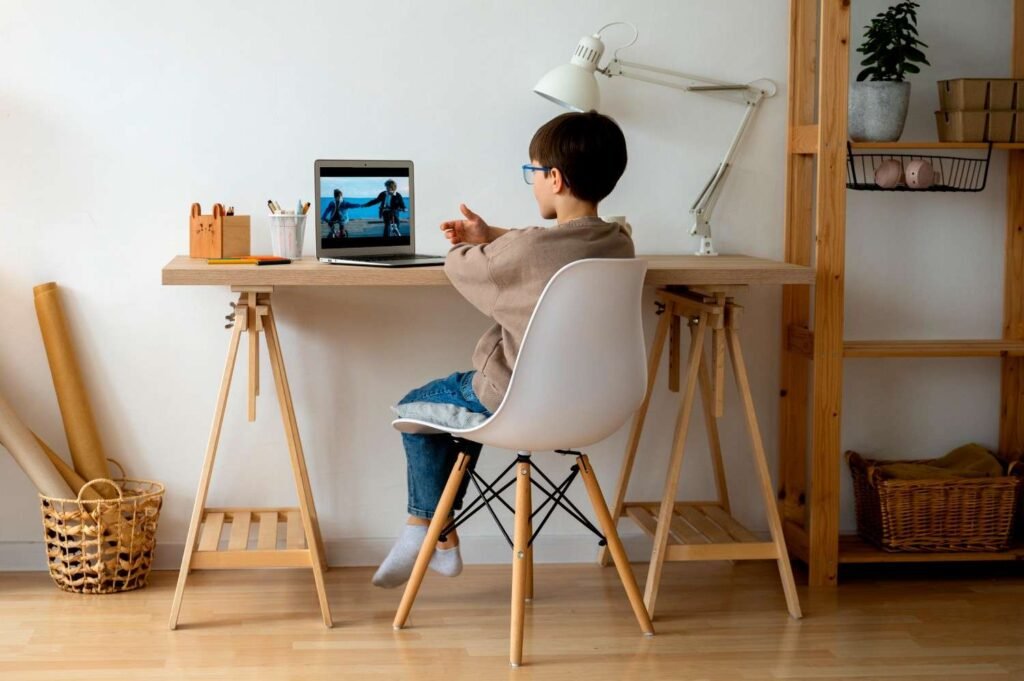
The most important pieces are a child-sized desk, ergonomic chair, storage, and task lighting. I always prefer furniture that fits the child’s height, supports posture, and does not crowd the room.
Height-adjustable desk and chair sets are especially useful because they grow with your child. They help reduce poor posture and make reading, writing, and laptop work more comfortable. Some kids study table sets also include tilted tabletops, which can reduce neck strain during long reading or drawing sessions.
For small rooms, L-shaped corner desks are a smart option. They fit tightly into bedroom corners and give children separate zones for computer work, books, and paper assignments. If floor space is limited, a compact writing desk or wall-mounted desk can also work well.
Are Desks With Built-In Storage Better?
Desks with built-in hutches can be very helpful in a small kids study corner. They use vertical space for books, folders, art supplies, and school materials while keeping the main desktop clean. A clear desk helps kids focus because they see only what they need for the task in front of them.
Cubby storage, drawer carts, floating shelves, and wall organizers can also support better organization. I like storage that kids can use on their own. If supplies are easy to reach and easy to put away, children are more likely to keep the area neat.
How Do You Create a Cozy Reading Nook?
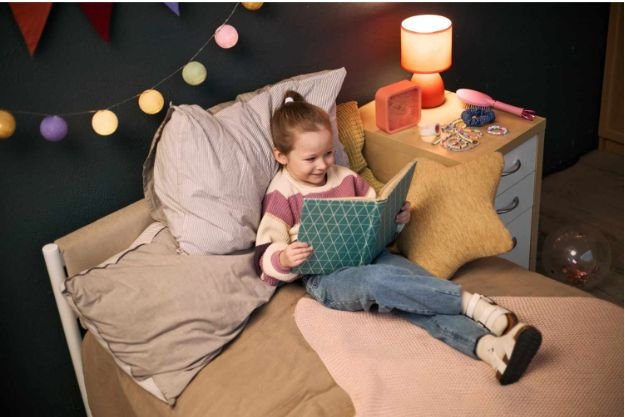
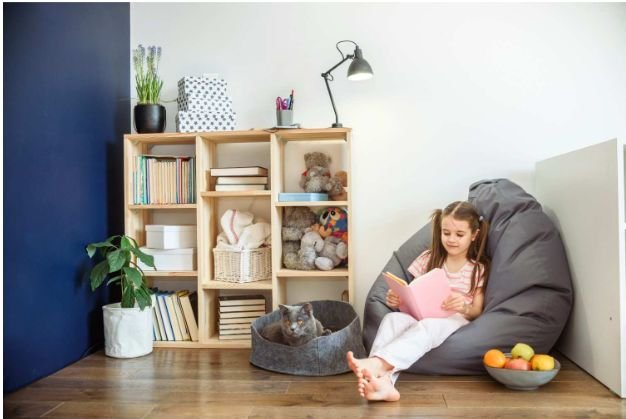
Not every quiet corner needs to be only for homework. If your child enjoys reading, add soft, low-profile furniture to create a cozy reading nook. Choosing the right kids furniture for bedtime reading, such as a comfortable chair, floor cushions, a small bookshelf, and warm lighting, can make the space more inviting and encourage a relaxing reading routine before bed.
Floor loungers, cushions, small beanbags, and soft rugs make reading feel relaxed and inviting. Forward-facing bookshelves are also useful for younger children because they display book covers outward. This makes it easier for kids to choose books independently instead of pulling everything off a deep shelf.
A reading nook works best when it stays simple. Too many toys or decorative items can turn the area into a play zone instead of a calm learning space.
Where Should You Place a Study Corner at Home?

The best place is usually a low-traffic corner with good lighting and fewer distractions. A bedroom corner, hallway nook, living room corner, or space near the kitchen can all work depending on your child’s age and needs.
Avoid placing the desk beside a TV, gaming console, toy shelf, or busy doorway. If your home has an open layout, use a rug, bookshelf, curtain, or small divider to create a visual boundary. This helps the child understand that the corner has a clear purpose.
Natural light is helpful, but glare can make reading or screen work uncomfortable. A window-side desk works best with blinds or curtains to control brightness.
How Can Lighting Improve a Kids Homework Station?
Lighting plays a major role in focus. Poor lighting can cause eye strain, tiredness, and frustration. A desk lamp with adjustable brightness helps children read, write, draw, and complete projects more comfortably.
Warm white lighting usually feels better for evening homework. The lamp should brighten the work surface without shining directly into your child’s eyes. If the corner is in a darker bedroom or hallway, task lighting becomes even more important.
What Colors Work Best for a Quiet Study Space?
Calm colors help create a peaceful study mood. Soft blue, sage green, warm white, beige, light gray, shades of yellow, and natural wood tones usually work better than neon shades or busy patterns.
That does not mean the space should feel plain. You can add personality with a small pinboard, framed print, pencil holder, or chair cushion. The background should stay calm, while a few personal touches make the space feel welcoming.
What Mistakes Should Parents Avoid?

One mistake is buying furniture only because it looks cute. A desk and chair must fit your child’s body first. If the chair is too high or the desk is too low, your child may slouch or lose focus quickly.
Another mistake is adding too much furniture. A study area packed with shelves, bins, toys, gadgets, and decorations can feel overwhelming. Keep the setup clean and practical.
The third mistake is ignoring your child’s habits. If your child reads more than they write, add a better reading seat. If they use many worksheets, add paper storage. If they get distracted easily, keep the desktop almost empty.
Frequently Asked Questions (FAQs)
1. What is the best furniture for a kids study corner?
A height-friendly desk, ergonomic chair, storage shelf, desk lamp, and small organizer are the best basics for a kids study corner.
2. How do I make a small study corner for kids?
Use a compact corner desk, slim chair, wall shelves, task lamp, and rug to define the study space without taking over the room.
3. Are L-shaped desks good for kids?
Yes, L-shaped desks are good for kids when you need to use a bedroom corner and create separate areas for books, laptops, and writing.
4. How can I make a study corner less distracting?
Keep the desktop clear, use calm colors, remove toys nearby, limit screen distractions, and store supplies in easy-to-reach places.
Final Thoughts
The best kids furniture for quiet study corner designs should make learning feel calm, comfortable, and easy to repeat every day. Start with a supportive desk and chair, add smart storage, include soft lighting, and choose a peaceful location away from distractions.
You do not need a large room or expensive makeover. With thoughtful planning, kids furniture for quiet study corner setups can help your child stay organized, focus better, and enjoy a healthier homework routine at home.