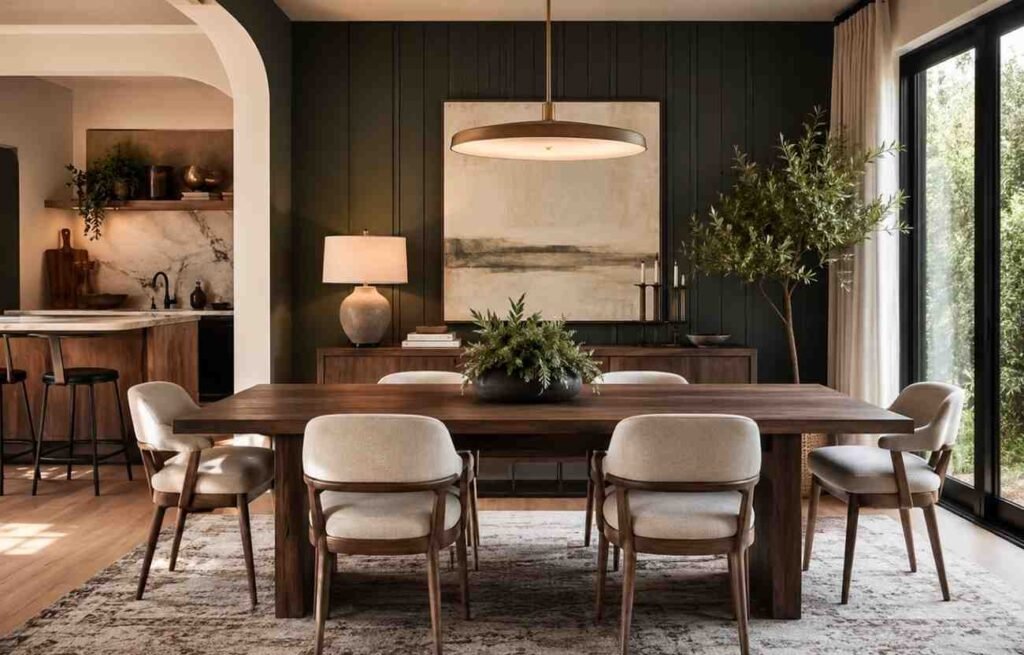
Category: Dining Room

  • Looking Ahead: Dining Room Trends That Will Last for Years

    Looking Ahead: Dining Room Trends That Will Last for Years

    Some home trends disappear almost as quickly as they arrive. A bold paint color feels exciting for a season, a trendy furniture set looks fresh for a year, and then suddenly everything starts feeling dated. That’s why more homeowners are taking a different approach. Instead of decorating around what’s popular today, they’re investing in spaces that will still feel inviting years from now.

    The dining room is one of the best places to embrace that mindset. It’s where everyday meals, holiday gatherings, and milestone celebrations happen, so it deserves thoughtful design choices that can evolve with your home. The best dining room trends that will last for years focus on quality, comfort, and timeless style rather than chasing short-lived design fads.

    Why Timeless Dining Rooms Never Go Out of Style

    Why Timeless Dining Rooms Never Go Out of Style

    Interior design trends change every year, but certain elements consistently remain desirable because they balance beauty with functionality. Durable materials, quality craftsmanship, and flexible layouts create spaces that work just as well for daily dinners as they do for entertaining guests.

    Instead of filling a room with trend-driven décor, many designers recommend building a timeless foundation first. Once the essentials are in place, it’s much easier to refresh the space with smaller accessories, seasonal décor, or artwork without needing a complete makeover.

    Architectural Details Add Lasting Character

    Walls often become the biggest missed opportunity in a dining room. Adding architectural millwork like wainscoting, crown molding, or decorative trim instantly creates depth and elegance without overwhelming the space.

    These details have remained popular for decades because they complement both traditional and contemporary interiors. Unlike wallpaper or highly decorative wall treatments that can quickly date a room, classic millwork provides subtle sophistication that continues to age well.

    Even simple trim upgrades can make a dining room feel custom-designed while increasing its long-term appeal.

    Natural Wood Continues to Lead the Way

    Few materials offer the warmth and versatility of natural wood. Whether it’s a solid oak dining table, hardwood flooring, or open shelving, wood brings texture and character that synthetic materials often struggle to match.

    Hardwood flooring remains one of the most desirable features for homeowners because it’s durable, easy to maintain, and works with nearly every decorating style. It also offers excellent cost-per-wear compared to flooring options that may need replacing after only a few years.

    Choosing quality wood furniture also allows pieces to age gracefully, often becoming family heirlooms instead of temporary purchases.

    Statement Lighting Creates a Memorable Space

    Statement Lighting Creates a Memorable Space

    Lighting has become much more than a practical necessity. Today’s dining rooms often feature a chandelier or pendant light that anchors the entire room while adding personality.

    Timeless finishes such as polished nickel, chrome, matte black, or antique brass pair easily with changing décor styles. Instead of selecting an oversized fixture based only on current trends, homeowners are choosing lighting with balanced proportions and clean lines that will remain stylish for years.

    Layering lighting with wall sconces or dimmable fixtures also creates a warmer atmosphere for everyday meals and special occasions.

    Neutral Colors Offer More Design Freedom

    Bold colors certainly have their place, but neutral palettes continue to dominate timeless home design for good reason. Soft whites, warm beige, muted taupe, gentle gray, and earthy tones provide a calm backdrop that adapts easily as furniture, artwork, and accessories change.

    Neutral walls also allow statement furniture and decorative pieces to stand out naturally without competing for attention. If color preferences evolve over time, smaller accents like table linens, artwork, or centerpieces are much easier to update than repainting an entire room.

    Comfort Is Becoming Just as Important as Style

    Comfort Is Becoming Just as Important as Style

    Modern dining rooms aren’t designed only for formal dinners anymore. They’re often used for working remotely, helping children with homework, playing board games, or gathering with friends over coffee.

    That’s why upholstered dining chairs, supportive seating, and spacious layouts have become essential. Mixing wood chairs with upholstered options creates visual interest while making longer gatherings more comfortable.

    Rather than purchasing perfectly matched dining sets, many homeowners are combining complementary materials and finishes to create spaces that feel collected instead of overly coordinated.

    Built-In Storage Makes Every Dining Room More Functional

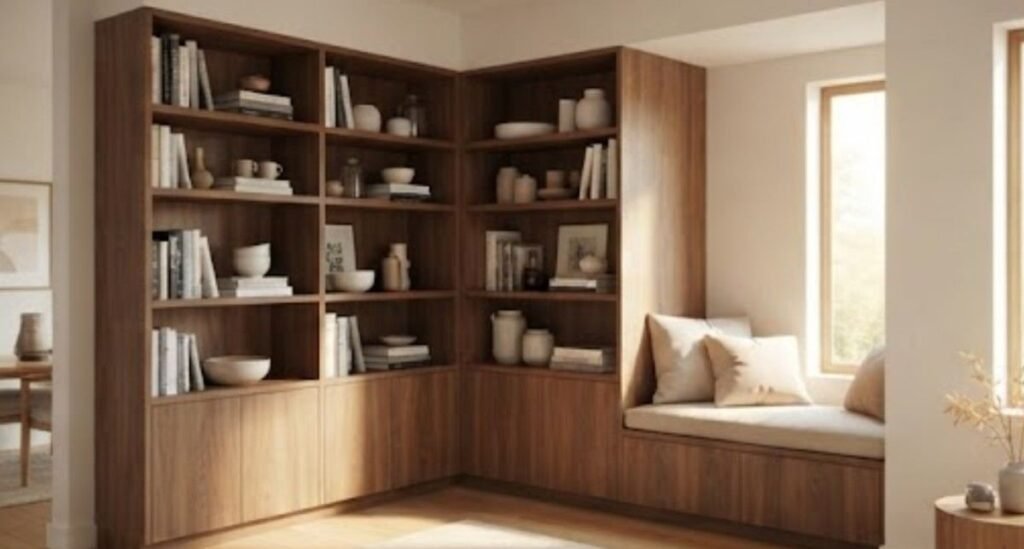
    Beautiful design should also make everyday life easier. Built-in cabinetry, display shelves, and custom storage solutions help keep dining essentials organized while adding architectural interest.

    Neutral cabinetry in white, light oak, or soft taupe works particularly well because it blends with changing interior design trends. Displaying favorite dishes, glassware, or books also adds personality without creating unnecessary clutter.

    For homeowners thinking about dining room upgrades that add value to your home, built-in storage remains one of the smartest long-term investments because it improves both function and visual appeal.

    Invest in Quality Instead of Following Every Trend

    Invest in Quality Instead of Following Every Trend

    One of the biggest shifts in home interior trends is choosing fewer, better pieces. Instead of replacing furniture every few years, homeowners are investing in durable materials, solid construction, and timeless craftsmanship.

    Before making a purchase, consider these questions:

    • Will this piece still fit my style five or ten years from now?
    • Is it made from quality materials that can handle everyday use?
    • Can it adapt if I update the room’s décor in the future?

    Thinking this way creates a dining room that evolves naturally rather than requiring constant redesign.

    FAQs: Looking Ahead: Dining Room Trends That Will Last for Years

    1. What dining room trends have the best long-term appeal?
    Natural wood furniture, architectural trim, neutral colors, quality lighting, and comfortable seating continue to stay relevant because they balance style with everyday function.

    2. Do neutral dining rooms look boring over time?
    Not at all. Neutral palettes create flexibility, allowing artwork, textiles, plants, and seasonal décor to refresh the space without major renovations.

    3. Is hardwood flooring still worth the investment?
    Yes. Hardwood remains one of the most desirable flooring options because it’s durable, timeless, and complements a wide range of interior styles.

    4. How can I update my dining room without a full remodel?
    Start with statement lighting, fresh paint, improved seating, or architectural molding. Small upgrades often create a noticeable difference while preserving a timeless look.

    Why Timeless Design Always Feels Worth It

    The best dining rooms aren’t the ones that perfectly follow every new trend. They’re the spaces that continue to feel welcoming year after year because they’re built on thoughtful design decisions instead of temporary inspiration. Quality materials, classic finishes, comfortable furniture, and practical storage create a room that’s easy to enjoy today and just as easy to appreciate years from now.

    When good design is built to last, you spend less time redecorating and more time making memories around the table.

  • Elegant Dining Room Setup Tips That Balance Comfort and Style

    Elegant Dining Room Setup Tips That Balance Comfort and Style

    A dining room isn’t just where meals happen anymore. It’s where families catch up after busy days, friends gather for celebrations, kids finish homework before dinner, and weekend mornings stretch into long conversations over coffee. Because it’s used for so much more than eating, the way it feels matters just as much as the way it looks.

    An elegant dining room setup doesn’t have to be formal or filled with expensive décor. The spaces people remember most usually combine thoughtful design with genuine comfort. The right furniture, lighting, textures, and layout work together to create a room that feels welcoming every day while still looking polished when guests arrive.

    Start With a Dining Table That Fits the Space

    Start With a Dining Table That Fits the Space

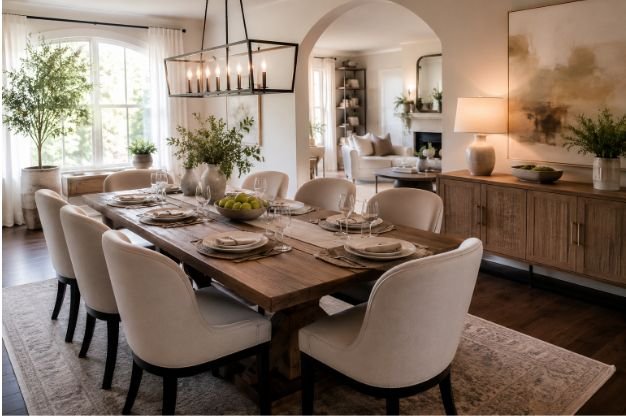
    The dining table naturally becomes the centerpiece of the room, so choosing the right one influences everything around it. Before considering materials or finishes, think about proportion. A table that’s too large can make the room feel cramped, while one that’s too small often gets lost in the space.

    Round and oval tables work especially well in smaller rooms because they improve movement and encourage conversation. Their soft edges also create a more relaxed atmosphere. In larger dining rooms, rectangular tables continue to be a timeless choice, especially when paired with balanced furniture placement.

    Pay attention to the table base as well. Pedestal designs offer more legroom and make seating arrangements feel less restrictive than traditional four-leg tables.

    Comfortable Seating Makes the Biggest Difference

    A beautiful dining room quickly loses its appeal if nobody enjoys sitting there for long. Comfortable seating encourages people to stay at the table, whether they’re enjoying dinner or lingering over dessert.

    Look for chairs with supportive backs, generous seat depth, and quality cushioning. Upholstered dining chairs add softness while creating visual contrast against natural wood tables. Materials like linen, boucle, leather, and velvet also introduce texture without overwhelming the room.

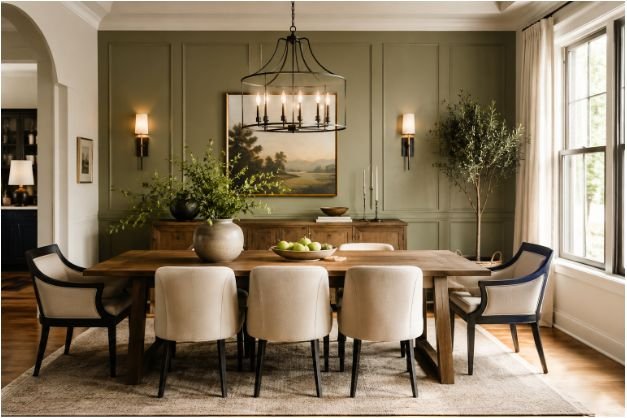
    If you want a more personalized look, consider mixing seating styles. Statement armchairs at each end of the table paired with coordinating side chairs create subtle variety while maintaining balance. If you’re exploring different wooden dining chair styles, choosing designs with clean lines and solid wood construction can bring warmth, durability, and timeless appeal to almost any dining room.

    Use Texture and Color to Add Warmth

    Use Texture and Color to Add Warmth

    An elegant dining room rarely depends on bold colors alone. Instead, it builds interest by layering different materials and finishes that complement one another.

    Natural wood grain, woven fabrics, soft upholstery, stone accents, and subtle metal finishes create richness without making the space feel busy. Neutral color palettes continue to work well because they allow furniture and architectural details to stand out naturally.

    Area rugs also play an important role. Besides defining the dining area, they absorb sound and make the room feel more comfortable underfoot. Choose a rug large enough so chairs remain fully supported even when pulled away from the table. Low-pile or flatweave options allow chairs to slide easily while remaining practical for everyday use.

    Adding greenery through a simple plant or fresh branches introduces color and life without competing with the rest of the décor.

    Decorate With Purpose Instead of Filling Every Surface

    Elegant spaces usually have one thing in common—they feel intentional rather than crowded.

    Instead of displaying numerous decorative objects, focus on a few carefully selected pieces that complement the room. A low floral arrangement, ceramic bowl, or grouping of candles creates visual interest while allowing everyone seated at the table to maintain eye contact during conversations.

    Artwork should reflect the scale of the room. One oversized piece often feels more sophisticated than several smaller frames scattered across the wall. Likewise, a sideboard or buffet provides both storage and an opportunity to display meaningful décor without cluttering the dining table itself.

    Avoid matching every piece of furniture perfectly. A mix of finishes and textures creates a more collected, lived-in appearance that feels both elegant and approachable.

    Make Everyday Function Part of the Design

    Make Everyday Function Part of the Design

    A dining room may look beautiful in photos, but it should also support everyday life. That’s why layout matters just as much as furniture selection.

    Try to leave at least 36 inches of clearance between the dining table and surrounding walls or furniture. This allows chairs to move comfortably and keeps traffic flowing naturally, even when several people are using the space.

    If your dining room is part of an open floor plan, use lighting, rugs, or furniture placement to visually define the area without making it feel closed off. The goal is to create a space that feels connected to the rest of the home while still having its own identity.

    Storage also contributes to a more elegant room. A buffet, sideboard, or display cabinet keeps dinnerware, linens, and serving pieces organized while reducing visible clutter. When everyday essentials have a designated place, the room naturally feels calmer and more refined.

    FAQs: Elegant Dining Room Setup Tips That Balance Comfort and Style

    What makes a dining room feel elegant without spending a fortune?
    Focus on quality over quantity. A well-proportioned table, comfortable seating, layered lighting, and a few carefully chosen decorative pieces often create a more refined look than filling the room with expensive accessories.

    Should dining chairs always match the table?
    Not necessarily. Mixing complementary materials, finishes, or upholstery can add personality while keeping the room balanced. The key is maintaining a consistent overall style.

    What size rug works best under a dining table?
    Choose a rug large enough that every chair stays on it, even when pulled out. This improves comfort, protects flooring, and keeps the room looking visually balanced.

    Which colors work best for an elegant dining room setup?
    Neutral shades paired with natural wood, soft textures, and subtle accent colors create a timeless look that’s easy to refresh with seasonal décor rather than major redesigns.

    Where Style Feels Most Natural

    An elegant dining room isn’t defined by luxury furniture or perfectly coordinated décor. It’s created through thoughtful decisions that make the room enjoyable to use every day. Comfortable seating, balanced lighting, natural materials, and uncluttered styling work together to create a space where people genuinely want to gather.

    When comfort and style support one another instead of competing, the dining room becomes more than just another space in the home—it becomes one people naturally return to, whether for everyday meals or life’s biggest celebrations.

  • Why Wooden Dining Chair Styles Still Lead Modern Dining Room Design?

    Why Wooden Dining Chair Styles Still Lead Modern Dining Room Design?

    When people think about updating a dining room, the table usually gets all the attention. It’s the centerpiece, after all. But spend enough time in a well-designed dining space, and you’ll notice something else. The chairs often determine how inviting the room feels, how comfortable long dinners become, and how the entire space comes together visually.

    That’s one reason wooden dining chair styles continue to stand out, even as furniture trends change. They offer a balance that’s hard to replicate—natural warmth, dependable durability, and designs that fit everything from cozy breakfast nooks to open-concept dining rooms.

    Whether you’re furnishing a new home or refreshing your current space, wooden chairs remain one of the easiest ways to create a dining area that feels timeless without looking outdated.

    Why Wooden Dining Chairs Continue to Define Modern Dining Rooms

    Why Wooden Dining Chairs Continue to Define Modern Dining Rooms

    Modern interiors have gradually moved away from overly polished, all-white spaces. Homeowners now want rooms that feel comfortable, personal, and connected to natural materials. Wood delivers that feeling almost instantly.

    Unlike metal or plastic seating, solid wood introduces visible grain patterns, soft textures, and subtle imperfections that make every chair feel unique. Oak, walnut, maple, and acacia each bring their own character, allowing homeowners to match their furniture with different interior styles without sacrificing warmth.

    Wood also works beautifully alongside today’s popular materials. Glass tabletops, stone surfaces, matte black hardware, and textured fabrics all pair naturally with wooden furniture. Instead of competing for attention, wood helps tie different design elements together.

    Popular Wooden Dining Chair Styles Worth Considering

    Mid-Century Modern

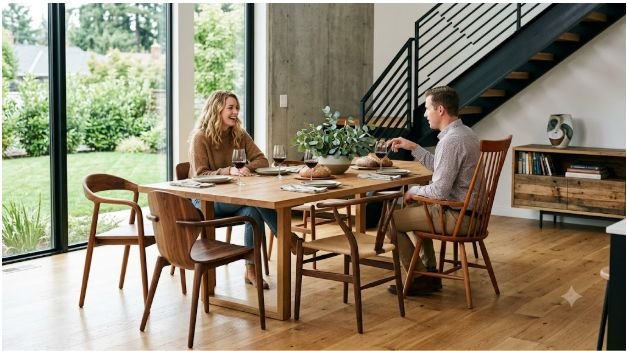
    Mid-century modern remains one of the most popular wooden dining chair styles because of its clean lines, gently curved backs, and practical simplicity. Inspired by Scandinavian craftsmanship, these chairs emphasize comfort without unnecessary decoration.

    They work especially well in contemporary homes where open layouts benefit from furniture that feels visually light rather than bulky.

    Windsor Chairs

    Windsor chairs have been around for centuries, yet they continue to fit surprisingly well in modern homes. Their signature spindle back adds character without overwhelming a room, making them an excellent choice for both traditional and transitional interiors.

    Today’s versions often feature matte finishes and simplified silhouettes that blend old craftsmanship with modern design.

    Scandinavian Chairs

    Scandinavian Chairs

    Scandinavian furniture continues to influence dining room design because it prioritizes functionality and comfort. These chairs often feature light-colored wood, soft curves, and minimalist construction that creates a calm, uncluttered look.

    They’re particularly effective in smaller dining areas because their streamlined frames help the room feel more open.

    Farmhouse Chairs

    Farmhouse-inspired seating has evolved beyond rustic interiors. Modern farmhouse wooden chairs combine sturdy construction with cleaner profiles, making them suitable for a wide range of homes.

    Natural wood finishes and subtle distressing create a welcoming atmosphere while remaining durable enough for everyday family meals.

    Cross-Back Chairs

    Cross-back, or X-back, chairs have become increasingly popular because they strike a balance between decorative detail and everyday practicality. Their distinctive backrest adds visual interest while providing reliable support during longer meals.

    They’re often paired with reclaimed wood tables or mixed-material dining sets, creating a relaxed but refined dining space.

    Comfort Matters Just As Much As Style

    Comfort Matters Just As Much As Style

    A beautiful chair loses its appeal if it isn’t comfortable to sit in. That’s why today’s buyers pay closer attention to ergonomic design than ever before.

    Seat height should allow enough clearance beneath the table while keeping feet comfortably on the floor. Backrests should provide natural support without feeling rigid, and wider seats often make everyday dining more enjoyable for both family meals and entertaining guests.

    The best wooden dining chairs balance appearance with function, making them pieces people enjoy using every day instead of simply admiring from across the room.

    Choosing the Right Wooden Dining Chair for Your Space

    Finding the right chair isn’t just about matching colors. It starts with understanding how the room functions every day. A large dining room can comfortably accommodate wider, more substantial chairs, while compact spaces benefit from slimmer silhouettes that leave enough room to move around the table.

    If you’re furnishing a smaller dining area, it’s equally important to choose chairs that complement the dining table for small spaces. Open-back designs, tapered legs, and lighter wood finishes help maintain an airy feel without making the room appear crowded.

    Material also deserves careful consideration. Solid hardwoods like oak and walnut are known for their durability and timeless appeal, while ash and maple offer a lighter, contemporary look. Natural finishes allow the wood grain to become part of the design, giving every chair a unique character that only improves with age.

    FAQs: Why Wooden Dining Chair Styles Still Lead Modern Dining Room Design

    Which wood is best for dining chairs?
    Oak, walnut, maple, and ash are among the most popular choices because they’re durable, attractive, and suitable for everyday use. The best option depends on your budget, preferred finish, and interior style.

    Can different wooden dining chair styles be mixed together?
    Yes. Mixing styles creates a more personalized dining room. Keep one design element consistent, such as the finish, seat height, or overall shape, so the space feels balanced instead of mismatched.

    Are wooden dining chairs comfortable for everyday use?
    Absolutely. Chairs with supportive backrests, the correct seat height, and ergonomic proportions provide lasting comfort for daily meals, family gatherings, and entertaining guests.

    Do wooden dining chairs work in modern homes?
    Yes. Their natural grain, timeless construction, and ability to pair with glass, stone, metal, and upholstered furniture make them one of the most versatile choices for contemporary interiors.

    Why Great Dining Rooms Always Start With Comfortable Seating

    The dining table may be the centerpiece, but the chairs shape how the space is experienced every day. The right wooden dining chair styles bring warmth, comfort, and character while adapting to changing design trends without losing their appeal. They’re practical enough for everyday meals and refined enough for special occasions, making them one of the smartest long-term furniture investments.

    Good design isn’t about following every new trend. It’s about choosing pieces you’ll still enjoy years from now.

  • Dining Room Upgrades That Add Value to Your Home While Keeping It Timeless

    Dining Room Upgrades That Add Value to Your Home While Keeping It Timeless

    A dining room often gets less attention than a kitchen or living room, yet it’s one of the spaces people remember most. It’s where holiday dinners stretch into late-night conversations, birthdays are celebrated, and everyday meals become family traditions. Even if the room isn’t used daily, its design leaves a lasting impression on guests and potential buyers alike.

    That’s why the best dining room upgrades aren’t always the most expensive ones. A timeless space doesn’t rely on trendy colors or oversized statement pieces that quickly feel dated. Instead, it combines thoughtful design, quality materials, and practical improvements that continue to look beautiful year after year. If you’re planning updates, focusing on long-term value rather than short-lived trends can make every dollar work harder.

    What Makes a Dining Room More Valuable?

    What Makes a Dining Room More Valuable

    Adding value goes beyond increasing resale potential. A well-designed dining room improves how the space functions while making the entire home feel more polished. Buyers often notice details that create a sense of quality, even if they can’t immediately explain why a room feels inviting.

    Timeless design also ages better. Instead of chasing the latest decorating trend, homeowners are investing in architectural character, durable materials, and furniture that adapts as styles evolve. These choices often deliver a better cost-per-wear over time because they don’t need frequent replacement.

    Upgrade the Lighting Before Anything Else

    Lighting has one of the biggest visual impacts in a dining room. Replacing an outdated fixture with a well-proportioned chandelier or linear pendant instantly changes the atmosphere without requiring a full renovation.

    Rather than choosing highly themed or trendy fixtures, look for finishes like brushed nickel, matte black, or unlacquered brass. These materials have remained popular across multiple design styles because they complement both traditional and contemporary interiors.

    Layered lighting also improves functionality. Pairing an overhead fixture with wall sconces or dimmable lighting creates flexibility for everything from weekday dinners to larger gatherings. Natural light should also be part of the plan whenever possible. Keeping window treatments light and functional allows daylight to become another design feature.

    Add Architectural Details That Never Go Out of Style

    Few upgrades make a builder-grade dining room feel custom as quickly as architectural millwork. Wall paneling, picture-frame molding, Shaker-style wainscoting, or beadboard add depth and visual interest without overwhelming the room.

    These details become part of the home’s structure rather than temporary decoration, which is one reason they continue to appeal to buyers. They also provide a refined backdrop for changing furniture and décor over the years.

    If you’re drawn to classic interiors, this is also where heritage-inspired dining rooms offer lasting inspiration. Traditional craftsmanship paired with updated finishes creates a space that feels warm, welcoming, and relevant instead of outdated.

    Invest in Flooring That Lasts

    Invest in Flooring That Lasts

    Flooring plays a major role in both appearance and durability. Worn carpet or aging vinyl can make an otherwise attractive dining room feel neglected, while quality hardwood flooring immediately creates a stronger first impression.

    White oak, walnut, and wide-plank hardwood remain popular because they complement many interior design styles. If replacing flooring isn’t practical, refinishing existing hardwood often delivers impressive results at a lower cost.

    An area rug can further define the dining space, but size matters. A rug should be large enough that chairs remain on it even when they’re pulled back from the table. This small detail improves both comfort and visual balance.

    Build a Timeless Foundation With Color and Texture

    Paint is one of the most affordable home improvement ideas, but choosing the right color matters. Soft whites, warm taupes, gentle greiges, and muted earth tones create a timeless backdrop that works with changing décor instead of competing with it.

    Texture is just as important as color. Linen curtains, woven shades, natural wood finishes, and cotton or wool textiles soften the room while adding depth. Rather than filling shelves with decorative accessories, focus on a few meaningful pieces that complement the space. A carefully chosen mirror, framed artwork, or ceramic centerpiece often creates more impact than multiple small decorations.

    Add Storage That Blends Style and Function

    Add Storage That Blends Style and Function

    Storage is one of the most overlooked dining room upgrades that add value to your home. A built-in buffet, sideboard, or custom hutch keeps serving dishes, table linens, and seasonal décor organized while making the room feel thoughtfully designed.

    If custom cabinetry isn’t in the budget, a freestanding buffet can offer similar benefits. Look for quality construction, timeless finishes, and enough storage to reduce clutter. Buyers often appreciate spaces that feel practical as much as they admire beautiful design.

    Which Upgrades Offer the Best Long-Term Value?

    If you’re prioritizing your budget, focus on improvements that combine durability with everyday function. These upgrades consistently deliver the greatest long-term value:

    • Quality lighting, architectural millwork, hardwood flooring, and well-made furniture create a lasting impression while requiring minimal future updates.
    • Neutral colors, layered textures, and practical storage keep the room functional and appealing for years, regardless of changing design trends.

    A dining room doesn’t need a complete remodel to feel elevated. Often, a series of thoughtful upgrades produces a more refined result than one expensive renovation.

    FAQs: Dining Room Upgrades That Add Value to Your Home While Keeping It Timeless

    Which dining room upgrade adds the most value?
    Lighting is often the best place to start. A timeless fixture paired with layered lighting instantly improves appearance, functionality, and buyer appeal.

    Should I replace my dining room flooring?
    If existing flooring is badly worn, upgrading to hardwood or refinishing quality wood floors usually offers better long-term value than replacing everything with trendy materials.

    Are built-in cabinets worth the investment?
    Yes. Built-in storage adds functionality, reduces clutter, and gives the room a custom look that many buyers appreciate during home tours.

    How do I keep my dining room timeless?
    Choose neutral colors, durable materials, quality furniture, and architectural details. Update accessories over time while keeping permanent features simple and classic.

    Why Timeless Design Always Feels Like Home

    The best dining room upgrades aren’t about impressing people for a season. They’re about creating a space that continues to feel welcoming through everyday meals, holiday gatherings, and life’s biggest celebrations. When you invest in quality craftsmanship, thoughtful layouts, and materials that age gracefully, your dining room becomes more than another room—it becomes part of your home’s story.

    Design trends will continue to change, but timeless spaces rarely lose their appeal.

  • Dining Table for Small Spaces That Blend Function With Everyday Living

    Dining Table for Small Spaces That Blend Function With Everyday Living

    Finding the right dining table for a small home can feel more complicated than buying one for a large room. It’s easy to fall in love with a design online, only to realize it blocks walkways, makes the room feel cramped, or barely leaves enough space to pull out a chair. In compact homes, every piece of furniture has to earn its place.

    That’s why a dining table for small spaces should do more than provide a place to eat. It should fit naturally into your everyday routine, whether you’re working from home, sharing family meals, helping kids with homework, or hosting friends for dinner. The right table blends comfort, flexibility, and smart design without overwhelming the room.

    Why the Right Dining Table Makes a Big Difference

    Why the Right Dining Table Makes a Big Difference

    A small dining area doesn’t have to limit your options. Choosing the right table is more about understanding your space than buying the smallest model available.

    Start by thinking about how you actually use your dining area. If you eat with two people most days but occasionally entertain guests, an expandable table may be a better investment than a permanently large one. Likewise, if your dining room doubles as a workspace, choosing a table with a durable surface and flexible seating can make everyday living much easier.

    The goal is to create a room that feels open while still serving multiple purposes.

    Choose the Shape That Fits Your Layout

    The shape of your dining table plays a major role in how the room functions.

    Round Tables

    Round tables improve traffic flow because they don’t have sharp corners. They’re ideal for breakfast nooks, apartments, and square dining areas. Many pedestal-base designs also create extra legroom, making it easier to fit another chair when needed.

    Rectangular Tables

    Rectangular tables work well in narrow rooms. Choosing a slimmer design helps maintain comfortable walkways while providing enough seating for everyday meals.

    Square Tables

    Square tables suit compact households and smaller dining rooms where symmetry works best. They’re especially practical for two to four people without taking over the room.

    Extendable and Drop-Leaf Tables

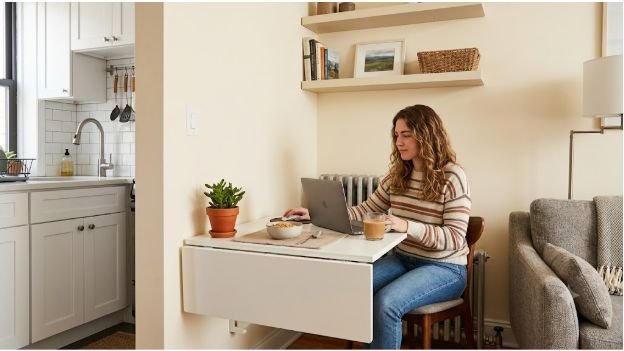
    Few furniture pieces offer as much flexibility as drop-leaf or extendable tables. They remain compact during daily use and expand only when extra seating is needed. Some designs even fold into a narrow console, making them ideal for homes where every square foot matters.

    Size Matters More Than Style

    Size Matters More Than Style


    Before shopping, measure both the room and the area around the table.

    A good rule is to leave 36 to 42 inches of clearance between the edge of the table and nearby walls or furniture. This allows chairs to slide out comfortably while maintaining easy movement throughout the room.

    It’s also worth measuring doorways, hallways, and staircases before making a purchase. A table that fits your dining room won’t be much help if it can’t make it through the front door.

    Rather than choosing a table based on the maximum number of guests you might host once or twice a year, buy one that fits your everyday lifestyle.

    Materials That Help a Room Feel Bigger

    Material choice affects more than durability. It also changes how spacious a room feels.

    Glass tabletops allow light to travel through the room, creating a lighter appearance. Light oak, maple, or white finishes help brighten smaller spaces, while slim metal frames reduce visual weight without sacrificing stability.

    Solid wood remains a timeless investment, but engineered wood often offers excellent durability at a more affordable price. Choosing quality finishes that resist scratches and moisture helps extend the life of your furniture, especially in busy households.

    Don’t Overlook Your Seating

    Don't Overlook Your Seating

    Even the best dining table for small spaces can feel oversized when paired with bulky chairs.

    Armless chairs slide underneath the table more easily, while benches maximize seating and stay tucked away when not in use. Acrylic chairs are another popular choice because their transparent design creates an open look instead of adding visual clutter.

    If your dining room serves multiple purposes, lightweight chairs make it easy to rearrange the space whenever needed.

    Furniture That Works Harder

    Modern homes often ask one room to perform several functions, and dining furniture is adapting to meet those needs.

    Many homeowners now choose tables that serve as a dining area during meals, a workstation throughout the day, and extra preparation space while cooking. Expandable consoles, drop-leaf tables, and pedestal designs all support this flexible approach without making the room feel crowded.

    If you’re also exploring luxury dining room ideas, remember that thoughtful functionality often creates a more refined space than simply adding larger furniture. Well-proportioned pieces usually deliver a cleaner, more sophisticated look.

    Common Mistakes to Avoid

    • Buying a table before measuring the available space.
    • Ignoring the recommended clearance around the table.
    • Choosing oversized chairs that limit movement.
    • Prioritizing appearance over everyday function.
    • Forgetting to consider expandable options for future needs.
    • Selecting heavy furniture that visually overwhelms the room.

    FAQs: Dining Table for Small Spaces That Blend Function With Everyday Living

    What is the best shape for a dining table in a small room?
    Round tables usually work best because they improve movement, eliminate sharp corners, and make it easier to add extra seating when needed.

    How much space should I leave around a dining table?
    Aim for 36 to 42 inches between the table and surrounding walls or furniture. This allows chairs to move freely and keeps walkways comfortable.

    Are extendable dining tables worth buying?
    Yes. They’re ideal for compact homes because they stay small during everyday use while providing additional seating for holidays, family dinners, or guests.

    Which seating works best with a small dining table?
    Armless chairs, benches, and lightweight seating are practical choices. They save space, tuck neatly under the table, and help the room feel more open without sacrificing comfort.

    Making Every Square Foot Feel More Comfortable

    A well-chosen dining table does more than fill an empty corner. It supports everyday routines, adapts to changing needs, and helps even the smallest room feel welcoming. When size, shape, materials, and seating work together, a compact dining area can feel surprisingly spacious without giving up functionality or style.

    The best furniture isn’t always the biggest piece in the room. It’s the one that quietly makes daily life easier.

  • Easy Ways to Create Heritage-Inspired Dining Rooms Without a Full Remodel

    Easy Ways to Create Heritage-Inspired Dining Rooms Without a Full Remodel

    Walk into a home with a heritage-inspired dining room, and you’ll notice something different almost immediately. It isn’t necessarily filled with expensive antiques or original architectural details. Instead, it feels layered, welcoming, and collected over time. Every piece seems to have a purpose, whether it’s a weathered wood table, a vintage chandelier, or artwork that looks like it belongs there rather than simply matching the walls.

    The good news is that creating this look doesn’t require tearing down walls or restoring a century-old home. Many homeowners are moving away from perfectly coordinated interiors and embracing spaces with warmth and personality. If you’re looking to create heritage-inspired dining rooms without investing in a major remodel, a few thoughtful design choices can completely change how the space feels.

    What Makes a Dining Room Feel Heritage-Inspired?

    What Makes a Dining Room Feel Heritage-Inspired

    Heritage design celebrates craftsmanship, history, and materials that age beautifully. Rather than chasing short-lived trends, it focuses on timeless elements that make a room feel lived in. That doesn’t mean your dining room has to resemble a museum or strictly follow one historical style.

    The secret is balance. Mixing traditional furniture with modern comforts keeps the room practical while preserving its character. Natural wood, handcrafted details, layered textures, and meaningful décor all contribute to a dining space that feels authentic rather than staged.

    Start With Rich, Historic Color

    Paint is one of the easiest ways to transform a room without changing its layout. Crisp white walls certainly have their place, but heritage interiors often rely on deeper shades that create warmth and depth.

    Colors like forest green, navy, charcoal, burgundy, or muted terracotta instantly make a dining room feel established. These shades also provide the perfect backdrop for framed artwork, brass accents, and solid wood furniture.

    Before committing to a color, test a few historic palettes in different lighting throughout the day. Natural sunlight and evening lighting can dramatically change how saturated colors appear.

    Mix Dining Chairs Instead of Buying a Matching Set

    Perfectly matched dining sets often create a polished but predictable look. Heritage-inspired spaces feel much more personal because they evolve over time.

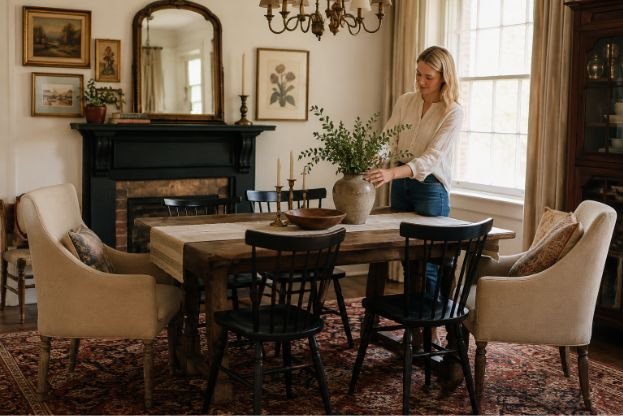
    Keep your existing dining table if you love it and introduce different seating instead. Upholstered host chairs at each end paired with vintage wooden side chairs create visual interest without looking mismatched. Small variations in wood finish or fabric actually enhance the collected appearance.

    Secondhand stores, estate sales, and antique markets are excellent places to find quality furniture built with traditional craftsmanship. A fresh coat of stain or new linen upholstery can breathe new life into older pieces while preserving their original charm.

    Let Lighting Become the Centerpiece

    Let Lighting Become the Centerpiece

    Lighting has an incredible ability to change the atmosphere of a dining room. Replacing a basic ceiling fixture with a traditional chandelier is often enough to give the entire space a stronger sense of character.

    Look for fixtures made from brass, wrought iron, aged bronze, or crystal. These finishes complement both traditional and transitional interiors while creating a warm glow during evening meals.

    Instead of relying on a single overhead light, layer the room with wall sconces, buffet lamps, or candles. Layered lighting creates depth and makes gatherings feel more inviting throughout every season.

    Add Architectural Character Without Renovating

    Many historic homes feature crown molding, wall paneling, built-in cabinetry, and decorative trim. Fortunately, you don’t need major construction to achieve a similar effect.

    Lightweight panel molding kits, peel-and-stick wallpaper with classic patterns, or a carefully arranged gallery wall can introduce architectural interest without permanent changes. Even oversized mirrors with antique-inspired frames help create the illusion of a room that’s evolved over generations.

    These additions give the eye something to explore while making even newer homes feel richer in detail.

    Bring Warmth Through Natural Materials

    Bring Warmth Through Natural Materials

    One reason heritage-inspired spaces never feel dated is their use of materials that develop character over time. Solid wood furniture, linen textiles, woven baskets, stone accessories, and ceramic serving pieces all introduce texture that manufactured finishes often lack.

    A simple linen table runner, woven placemats, or handcrafted pottery can soften the room without making it feel overly decorated. Instead of filling every shelf, choose a few well-made pieces that tell a story. These natural materials also age gracefully, making the room feel even more inviting over the years.

    Mixing textures is just as important as mixing furniture. Pair polished wood with soft upholstery, aged brass with crisp linen, or smooth ceramics with rustic wood. These subtle contrasts create depth while keeping the room comfortable for everyday meals.

    Decorate With Pieces That Have Meaning

    Heritage design isn’t about buying everything from one collection. It’s about creating a space that feels personal.

    Display family heirlooms, vintage serving bowls, framed black-and-white photographs, or books collected over the years. Even thrifted finds can add authenticity when they’re chosen thoughtfully. A brass candleholder, antique clock, or vintage landscape painting often becomes a conversation piece that gives the dining room its own personality.

    Fresh greenery or dried branches also work beautifully as centerpieces because they bring life to the room without competing with the surrounding décor. Rather than changing decorations every season, build a collection that reflects your family’s story and evolves naturally over time.

    Make Heritage Style Comfortable for Everyday Living

    Make Heritage Style Comfortable for Everyday Living


    A beautiful dining room should still be a place where people want to gather for weeknight dinners, birthday celebrations, or long conversations over coffee. Heritage-inspired interiors succeed because they combine timeless beauty with everyday function.

    Choose chairs that are comfortable enough for extended meals, select durable fabrics that can handle daily use, and leave enough open space for easy movement around the table. Storage pieces like sideboards or hutches can display favorite dishes while keeping everyday essentials within reach.

    If you’re planning an elegant dining room setup that feels timeless rather than trendy, focus on quality over quantity. A handful of carefully chosen pieces will always have a greater impact than filling the room with matching accessories.

    FAQs: Easy Ways to Create Heritage-Inspired Dining Rooms Without a Full Remodel

    Can I create a heritage-inspired dining room in a newer home?
    Yes. Paint colors, vintage furniture, layered lighting, and natural materials can bring heritage character to modern homes without changing the architecture.

    Do I need expensive antiques to achieve this style?
    Not at all. Thrift stores, estate sales, flea markets, and quality reproductions can create the same collected look while keeping costs manageable.

    Which colors work best in heritage-inspired dining rooms?
    Deep greens, navy, warm browns, terracotta, burgundy, and other historic shades pair beautifully with wood furniture and brass accents.

    How do I keep the room from feeling too formal?
    Mix classic elements with comfortable seating, simple table linens, fresh greenery, and everyday décor. The goal is a welcoming space that feels lived in rather than perfectly staged.

    Why Timeless Rooms Always Feel More Personal

    The best heritage-inspired dining rooms don’t try to recreate the past exactly. They borrow the qualities that made older homes memorable—craftsmanship, warmth, and thoughtful details—while adapting them for modern living.

    A carefully chosen paint color, a vintage chair with visible character, or a family heirloom displayed on a sideboard can add more personality than an entire room of brand-new furniture. Those small decisions help create a space that feels authentic instead of perfectly coordinated.

    When a dining room reflects both history and the people who use it every day, it becomes a place where memories naturally continue to grow.

  • Luxury Dining Room Ideas for a Sophisticated and Timeless Home

    Luxury Dining Room Ideas for a Sophisticated and Timeless Home

    Luxury isn’t always about spending more—it’s about creating a space that feels intentional. The dining room is one of the few places where people naturally slow down, whether it’s for a weeknight dinner, a holiday celebration, or catching up with friends over coffee. The right design makes those moments feel even more special without looking overly decorated.

    The best luxury dining room ideas don’t rely on passing trends. They combine quality materials, thoughtful layouts, and timeless details that continue to look elegant for years. From statement furniture to layered lighting, every element works together to create a room that’s comfortable enough for everyday meals and impressive enough for entertaining.

    What Makes a Dining Room Feel Truly Luxurious?

    What Makes a Dining Room Feel Truly Luxurious

    A luxurious dining room isn’t defined by expensive furniture alone. It’s the balance between craftsmanship, comfort, proportion, and atmosphere that creates a refined look.

    Instead of filling every corner with décor, luxury interiors often embrace restraint. Carefully chosen furniture, premium finishes, and architectural details allow each piece to stand out. This approach creates visual balance while making the room feel open and welcoming.

    Start With a Statement Dining Table

    Every memorable dining room begins with a table that naturally draws attention. Solid wood, natural stone, marble, and sintered stone remain popular choices because they combine durability with timeless beauty.

    Look beyond a standard rectangular base. Sculptural pedestal designs, curved edges, and geometric silhouettes add personality without overwhelming the room. A well-crafted dining table becomes more than furniture—it becomes the centerpiece around which family meals and celebrations naturally gather.

    If you’re planning a complete makeover, reading a dining room furniture buying guide before selecting your table and chairs can help you choose pieces that fit your space, lifestyle, and long-term design goals.

    Choose Seating That Feels as Good as It Looks

    Beautiful dining chairs should invite people to stay at the table long after dessert.

    High-backed upholstered chairs create an elegant silhouette while providing excellent support during long conversations. Velvet introduces softness and richness, while premium leather offers a sophisticated appearance that’s also practical for everyday use.

    Mixing textures is another way to elevate the room. Pairing wooden frames with upholstered seats or combining fabric and leather prevents the space from feeling flat while adding depth to the overall design.

    Layer Lighting Instead of Relying on One Fixture

    Layer Lighting Instead of Relying on One Fixture

    Lighting often separates an ordinary dining room from one that feels professionally designed.

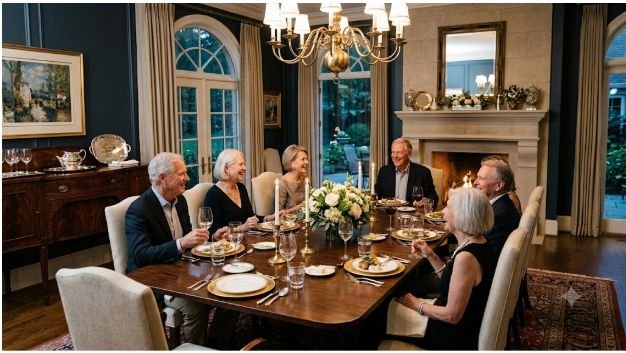
    A statement chandelier immediately establishes the room’s focal point, but it shouldn’t work alone. Wall sconces, buffet lamps, or recessed lighting help distribute warm illumination throughout the space. Layered lighting creates flexibility, allowing the room to feel bright during family meals and intimate during evening gatherings.

    Warm lighting also enhances natural materials like wood, marble, and brass, making every finish appear richer and more inviting.

    Blend Premium Materials for Lasting Elegance

    Luxury interiors rarely rely on a single material. Instead, they combine complementary textures that create subtle contrast.

    A marble tabletop pairs beautifully with warm wood flooring. Brass accents soften darker cabinetry. Glass, stone, wood, and metal each contribute their own character without competing for attention.

    Choosing durable materials also supports long-term value. Well-made furniture often develops character over time, making quality craftsmanship a worthwhile investment rather than a temporary trend.

    Add Architectural Details That Elevate the Room

    Add Architectural Details That Elevate the Room

    Sometimes the walls deserve just as much attention as the furniture.

    Wall molding, wainscoting, decorative trim, or textured panels instantly make a dining room feel more custom. These details introduce depth without requiring bold colors or excessive decoration.

    Mirrors are equally effective. An antique mirror or smoked-glass feature wall reflects natural light, makes the room feel larger, and adds a sense of quiet sophistication that works in both traditional and contemporary interiors.

    Let the Color Palette Create Warmth

    Luxury design has gradually shifted away from cool, minimalist spaces toward warmer, more welcoming interiors.

    Earthy browns, soft taupes, muted golds, warm whites, olive greens, and charcoal accents create an inviting atmosphere while remaining timeless. These shades also work well with natural materials, making the room feel layered rather than overly coordinated.

    Adding texture through linen curtains, woven rugs, or handcrafted ceramics keeps neutral colors from feeling plain.

    Style With Intention, Not Excess

    The most elegant dining rooms know when to stop decorating.

    Instead of filling every shelf and tabletop, focus on a few carefully selected accessories. A sculptural centerpiece, fresh greenery, framed artwork, or handcrafted pottery often creates a stronger impression than multiple decorative objects competing for attention.

    Negative space allows premium furniture and architectural features to remain the stars of the room.

    Common Mistakes That Can Diminish a Luxury Look

    Common Mistakes That Can Diminish a Luxury Look

    Even high-end furniture can lose its impact if the room feels unbalanced.

    • Choosing oversized furniture for a compact dining room.
    • Using harsh overhead lighting without softer layers.
    • Mixing too many bold finishes in one space.
    • Overcrowding surfaces with decorative accessories.
    • Ignoring comfort when selecting dining chairs.

    Avoiding these common mistakes helps maintain a sophisticated look that feels effortless rather than overly styled.

    FAQs: Luxury Dining Room Ideas for a Sophisticated and Timeless Home

    What colors work best in a luxury dining room?
    Warm neutrals like taupe, ivory, soft brown, muted gold, charcoal, and olive create a timeless backdrop. These colors pair beautifully with natural materials and layered lighting.

    How can I make a small dining room feel luxurious?
    Choose quality furniture with clean lines, add a statement light fixture, use mirrors to reflect light, and avoid overcrowding the room with unnecessary décor.

    What material is best for a luxury dining table?
    Solid wood, marble, and sintered stone are popular choices because they combine durability, elegant appearance, and long-lasting value for everyday dining.

    Do luxury dining rooms have to follow one design style?
    No. Many timeless spaces blend modern and classic elements. The key is maintaining balance through quality materials, comfortable furniture, thoughtful lighting, and a cohesive color palette.

    Why Timeless Design Always Feels More Luxurious

    The best luxury dining rooms aren’t created by following every new trend. They’re built around thoughtful choices that continue to feel beautiful year after year. Quality furniture, layered lighting, natural materials, and comfortable seating create a room that’s just as enjoyable during a quiet family dinner as it is when hosting guests for a celebration.

    When every piece has a purpose, elegance never goes out of style.

  • The Smart Dining Room Furniture Buying Guide for Modern Homes

    The Smart Dining Room Furniture Buying Guide for Modern Homes

    Buying dining room furniture seems simple until you start comparing options. One table looks perfect online but feels too large once it’s in the room. A stylish chair catches your eye, but after a long family dinner, comfort suddenly matters more than design. It’s easy to get overwhelmed when every piece promises to be the right choice.

    A smart purchase isn’t about following trends or filling an empty space. It’s about choosing furniture that fits your lifestyle today and still works years from now. This dining room furniture buying guide focuses on the details that make the biggest difference, from sizing and materials to comfort, durability, and everyday functionality.

    Start With Your Space Before Shopping

    Start With Your Space Before Shopping

    One of the biggest mistakes people make is shopping before measuring the room. Even beautiful furniture can make a dining area feel cramped if it doesn’t leave enough room to move comfortably.

    A good rule is to leave 36 to 42 inches of clearance between the table and surrounding walls or furniture. This gives everyone enough space to pull out chairs, walk around the table, and move freely during meals.

    Think about how you actually use the room, too. If you host holiday dinners or enjoy entertaining friends, planning for additional seating now can save you from replacing furniture later.

    Choose the Right Dining Table Shape

    The dining table naturally becomes the centerpiece of the room, so its shape should complement both your layout and daily routine.

    Round tables work well in smaller or square dining rooms because they encourage conversation and make movement easier. Rectangular tables remain the most versatile choice for larger spaces and open floor plans, while oval designs offer similar seating with softer edges. Square tables create a balanced look but work best when the room has similar proportions.

    No matter the shape, allow about 24 inches of table space per person so everyone can dine comfortably without feeling crowded.

    Pick Materials That Match Your Lifestyle

    The material you choose affects appearance, maintenance, and long-term durability.

    Solid wood remains one of the most popular choices because of its natural warmth and lasting quality. Hardwoods like oak, walnut, and maple develop character over time and can often be refinished instead of replaced.

    Engineered wood offers a more affordable alternative while maintaining a similar look. High-quality engineered products perform well for everyday use, though they generally don’t last as long as solid hardwood.

    Modern homes are also embracing ceramic and sintered stone tabletops. These surfaces resist heat, scratches, and stains, making them ideal for busy households where the dining table handles everything from family meals to homework and remote work.

    Glass tables create an open, airy feel and pair well with metal bases for contemporary interiors. They brighten smaller rooms but require more frequent cleaning to keep fingerprints away.

    Don’t Overlook Chair Comfort

    Don't Overlook Chair Comfort

    Dining chairs do much more than complete the look of the table. Comfort becomes especially important during long dinners, celebrations, or evenings spent working from home.

    Look for chairs with supportive backs, comfortable seat depth, and the proper height for your table. Upholstered chairs provide extra comfort, while wooden or molded designs tend to be easier to clean.

    Before buying a full set, sit in one if possible. A chair that feels comfortable for five minutes is far more likely to stay comfortable for two hours.

    Think Beyond the Table

    A well-designed dining room includes more than a table and chairs. By incorporating the latest Dining Room Trends, such as multifunctional furniture, statement lighting, natural materials, and warm, inviting color palettes, you can create a space that is both stylish and practical for everyday meals and special gatherings.

    Sideboards, buffets, and storage cabinets provide practical space for dishes, serving trays, table linens, and seasonal décor. They also reduce clutter by keeping everyday essentials within easy reach.

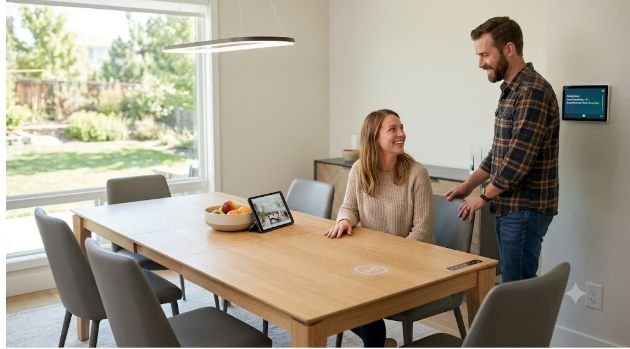
    If your dining area doubles as a workspace or gathering place, furniture with built-in storage or hidden charging ports can make the room even more functional without sacrificing style.

    Layered lighting also deserves attention. A pendant light above the table paired with dimmable lighting creates a welcoming atmosphere for everything from weekday dinners to holiday celebrations.

    Look at Construction, Not Just Appearance

    Beautiful furniture isn’t always well-built. Understanding basic furniture construction helps you identify pieces that will last much longer.

    Pay attention to the quality of joinery, the thickness of tabletops, the stability of chair frames, and the finish applied to the wood. Strong construction prevents wobbling, extends the furniture’s lifespan, and provides better long-term value.

    When comparing prices, think beyond the initial cost. A durable dining table that lasts fifteen years often offers better cost-per-wear than replacing a cheaper table every few years.

    Buying Mistakes That Are Easy to Avoid

    Buying Mistakes That Are Easy to Avoid

    A few simple checks before purchasing can prevent expensive regrets:

    • Buying furniture before measuring the room and doorway clearance.
    • Choosing style over comfort, especially with dining chairs.
    • Ignoring seating capacity for future gatherings.
    • Overlooking material maintenance requirements.
    • Focusing only on price instead of furniture construction and durability.

    FAQs: The Smart Dining Room Furniture Buying Guide for Modern Homes

    How much space should I leave around a dining table?
    Leave 36 to 42 inches between the table and nearby walls or furniture. This provides enough room to pull out chairs and walk comfortably around the dining area.

    Which dining table material is the most durable?
    Solid hardwood remains one of the longest-lasting choices, while ceramic and sintered stone offer excellent resistance to scratches, stains, and heat with very little maintenance.

    Are extendable dining tables worth buying?
    Yes. Extendable tables save space for everyday use while providing additional seating for holidays, family gatherings, and guests without requiring a permanently larger table.

    What’s the biggest mistake people make when buying dining room furniture?
    Many buyers focus on appearance before considering room measurements, comfort, seating needs, and construction quality. Planning around everyday use usually leads to a better long-term investment.

    Choose Pieces You’ll Still Enjoy Years From Now

    Furniture trends will continue to evolve, but comfort, quality, and thoughtful design rarely go out of style. The best dining rooms aren’t necessarily the most expensive—they’re the ones that fit the people who use them every day. Choosing the right table, supportive chairs, durable materials, and practical storage creates a space that’s ready for everything from quiet breakfasts to memorable celebrations.

    A smart purchase today often becomes the furniture you’ll appreciate the most years down the road.