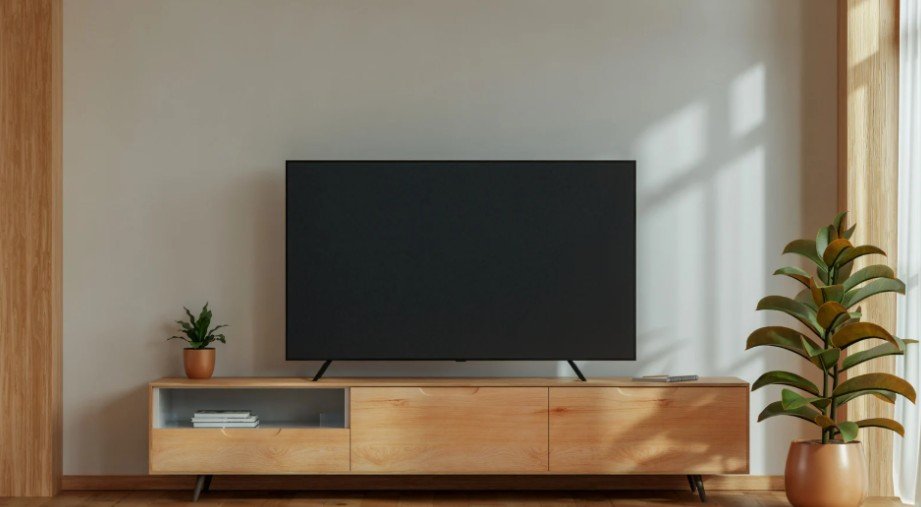
I have learned that the TV is rarely the problem in a living room. The furniture surrounding it usually is. After experimenting with different layouts and furniture styles, I found that oak tv stand ideas for living room offer something many trendy materials cannot: timeless warmth that works with changing décor for years.
Oak brings natural texture, impressive durability, and enough versatility to fit modern apartments, cozy cottages, and spacious family homes alike. The right design doesn’t simply hold a television—it anchors the entire room while hiding clutter and improving everyday functionality.
Why Oak Still Works Better Than Most TV Stand Materials
Solid oak has remained a favorite because it combines beauty with long-term performance. Unlike particleboard furniture that often weakens after several moves, quality oak furniture ages gracefully and develops additional character over time.
Its natural grain also softens the large black rectangle of a television. Instead of feeling cold and overly technical, the entertainment area becomes visually balanced.
According to the United States Department of Agriculture, hardwood species like oak are valued for their density, strength, and durability, making them ideal for furniture designed for daily use.
Choosing the Right Oak TV Stand for Your Living Room Layout
The best furniture matches both your room size and your viewing habits.
Small Living Rooms

Compact spaces benefit from low-profile oak consoles with slim frames. Raised legs expose more flooring, making the room appear larger. Light or white-washed oak finishes also reflect more natural light and prevent the furniture from feeling heavy.
Open-Concept Homes
Open floor plans work well with wider media consoles. Long horizontal lines visually connect different seating zones while maintaining clean sightlines throughout the room.
Large Family Rooms
Large entertainment walls need substantial furniture. Wide oak media cabinets with multiple drawers provide enough storage for gaming consoles, streaming devices, board games, and blankets without looking undersized beneath large televisions.
Oak TV Stand Ideas for Every Interior Style
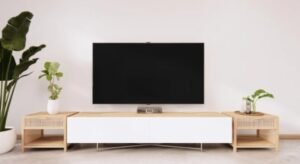
One reason I continue recommending oak is its remarkable flexibility across different design aesthetics.
Japandi Minimalism
Choose a low-profile cabinet with integrated handles and simple geometry. White oak or lightly stained finishes pair beautifully with beige walls, soft textiles, concrete accents, and minimal accessories. The overall effect feels calm without appearing empty.
Mid-Century Modern
Honey-toned oak, tapered legs, and slatted sliding doors remain timeless choices. Slatted fronts serve a practical purpose too, allowing remote signals to pass through while hiding electronics.
Rustic Farmhouse
Reclaimed oak with visible knots creates warmth and authenticity. Thick wooden tops paired with black hardware produce a comfortable balance between traditional craftsmanship and modern functionality.
Industrial Style
Industrial interiors benefit from chunky oak shelves combined with matte black steel frames. The contrast between warm timber and cool metal adds visual depth without overwhelming the room.
Contemporary Floating Cabinets
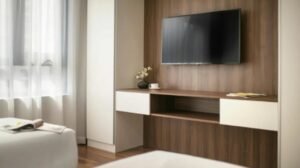
Wall-mounted oak cabinets create one of my favorite modern looks. Floating furniture opens valuable floor space, makes cleaning easier, and produces a sleek appearance. Adding concealed LED strip lighting underneath enhances the floating effect while creating soft evening ambiance.
Styling an Oak TV Stand Without Making It Look Busy
Many beautifully designed TV stands become cluttered within weeks. The solution isn’t buying more decorations—it’s using fewer, more intentional ones.
My 60-30-10 Styling Formula (Original Insight)
After testing dozens of living room arrangements, I now follow a simple ratio:
Approximately 60% of the stand should remain visually open.
Around 30% should include decorative objects like ceramic vases, stacked books, or sculptural bowls.
Only 10% should contain personal accents such as framed photographs or collectibles.
This balance keeps the display interesting without competing with the television itself.
Decorative Accessories That Actually Work
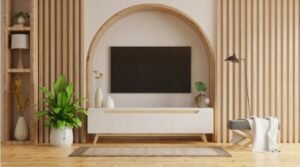
Natural oak pairs especially well with textured materials. Ceramic vessels, stone sculptures, woven baskets, linen-covered books, and dried eucalyptus introduce contrast while maintaining a calm palette.
I also like leaning a framed artwork behind one side of the television. When the screen is turned off, the artwork softens its appearance and reduces the oversized black rectangle dominating the room.
Storage and Cable Management Ideas
A beautiful entertainment center quickly loses its appeal when cables become visible.
Look for oak units featuring integrated cable-routing channels and rear access panels. Concealing power strips inside woven storage baskets or enclosed cabinets keeps cords hidden while maintaining accessibility.
If your living room includes multiple gaming systems or streaming devices, adjustable shelving makes future upgrades much easier than fixed compartments.
Furniture placement matters just as much as storage. If you’re redesigning your entire entertainment area, I recommend to arrange living room furniture with tv before choosing the final layout.
Common Mistakes I See Most Often
The biggest mistake is choosing a stand narrower than the television. Ideally, the cabinet should extend several inches beyond both sides of the screen to create visual balance.
Another common error is selecting furniture that’s too tall. The center of the television should generally sit close to seated eye level for comfortable viewing.
Finally, many homeowners underestimate lighting. Avoid placing bright lamps directly beside the television. Instead, use subtle accent lighting beneath floating cabinets or behind the television to reduce eye strain.
Don’t Let Your TV Steal the Show
I’ve found that the best living rooms never revolve around the television alone. They revolve around thoughtful furniture that quietly supports daily life.
The best oak tv stand ideas for the living room combine timeless craftsmanship, practical storage, balanced styling, and smart proportions. When those elements come together, the television becomes part of a beautifully designed space instead of dominating it. Choose a stand that fits both your room today and the way you’ll live in it years from now.
FAQs
1. What size oak TV stand should I buy?
Choose one that is at least 6–12 inches wider than your television for better visual balance.
2. Are floating oak TV stands sturdy?
Yes, when installed into wall studs or appropriate structural supports following the manufacturer’s instructions.
3. Is solid oak better than engineered oak?
Solid oak generally offers greater longevity, while quality engineered oak provides good stability at a lower cost.
4. What décor looks best on an oak TV stand?
Ceramics, woven baskets, stone accents, books, and greenery complement oak without overwhelming the space.