Author: Emily Carter

  • Home Office Layout Ideas for Maximum Productivity

    Home Office Layout Ideas for Maximum Productivity

    I have learned that a productive workspace is not just about buying a desk and chair. The way everything is placed affects focus, energy, comfort, and even how long I can work without feeling drained. That is why Home Office Layout Ideas for Maximum Productivity should begin with smart planning, not random decorating.

    Why Your Home Office Layout Matters

    A good layout helps reduce distractions and makes daily work feel easier. When the desk, chair, lighting, storage, and technology are arranged properly, the space supports concentration instead of fighting against it.

    The best home office should feel calm, organized, and easy to move around in. It should also match the type of work being done. Someone who takes calls all day needs a different setup than someone who writes, designs, studies, or manages paperwork.

    Choose the Right Work Zone First

    The first step is choosing a quiet area with limited foot traffic. A spare bedroom, unused corner, hallway nook, basement section, or dining room wall can all work if planned correctly without affecting areas meant to boost foot traffic.

    The goal is to create a dedicated work zone, even in a small space. This helps the brain separate work time from relaxation time. A simple rug, bookshelf, divider, or wall color can visually define the office area without needing a separate room.

    Place the Desk for Better Focus

    Place the Desk for Better Focus

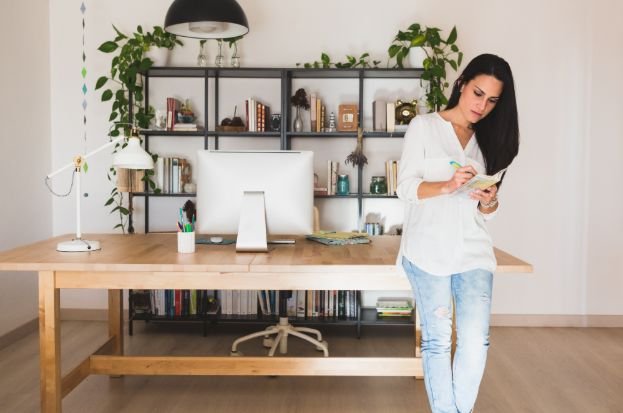
    Desk placement is one of the most important layout decisions. Ideally, the desk should face the room entrance or sit sideways to a window. This keeps the space open while still allowing natural light to enter.

    Avoid placing the screen directly in front of a bright window because glare can cause eye strain. Also avoid sitting with your back fully exposed to a busy room, as it may create distractions. A wall-facing desk can work well for deep focus, but adding art or a small shelf prevents the space from feeling plain.

    Use Natural Light Without Glare

    Natural daylight can make a workspace feel fresh and energizing. Place the desk near a window when possible, but use curtains, blinds, or adjustable shades to control brightness.

    For evening work, add layered lighting. A ceiling light alone is often not enough. Use a desk lamp for task lighting and a soft floor lamp or wall light to reduce harsh shadows. Good lighting improves comfort and helps the office feel more professional.

    Create Work, Storage, and Break Zones

    One of the strongest Home Office Layout Ideas for Maximum Productivity is dividing the space into clear zones. The work zone should hold only daily essentials. The storage zone should include files, supplies, books, chargers, and extra equipment. A small break zone can include a comfortable chair, plant, or reading corner.

    This layout keeps clutter away from the desk and makes the room feel more intentional. Even a tiny office can have zones if vertical shelves, rolling carts, wall hooks, or under-desk drawers are used wisely.

    Small Home Office Layout Ideas

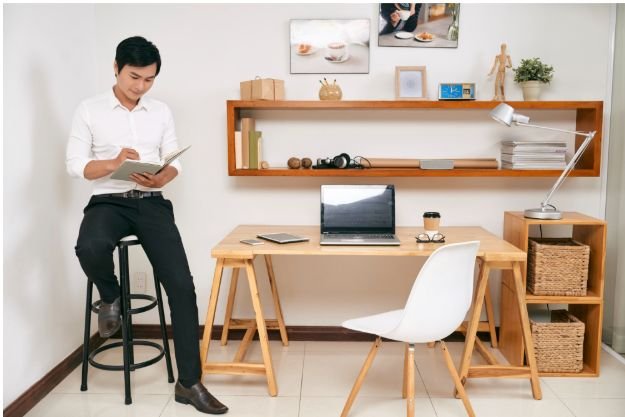
    Small spaces need smarter furniture. A wall-mounted desk, floating shelf, corner desk, foldable table, or ladder desk can save valuable floor space. Choose furniture with built-in storage to avoid crowding the room. As part of your home office feng shui tips for better productivity, arrange your furniture to promote a clear flow of movement, reduce visual clutter, and position your desk in a way that helps you feel comfortable, focused, and in control of your workspace.

    In a bedroom office, place the desk away from the bed if possible. In a living room office, use a bookcase or console table to blend the workspace with existing decor. In a closet office, add shelves above the desk and use bright lighting to make the area feel open.

    Ergonomic Layout Tips

    Ergonomic Layout Tips

    Productivity drops quickly when the body feels uncomfortable. The chair should support the lower back, and the feet should rest flat on the floor or on a footrest. The monitor should be at eye level, and the keyboard should allow relaxed shoulders.

    Keep frequently used items within arm’s reach. This includes notebooks, pens, chargers, headphones, and water. Items used less often should go in drawers or shelves. This simple setup reduces unnecessary movement and helps maintain focus.

    Keep Cables and Clutter Hidden

    Messy wires can make even a beautiful office feel stressful. Use cable clips, cord boxes, under-desk trays, and wireless accessories when possible. Label chargers if multiple devices are used.

    A clutter-free desk should include only what is needed for the current task. Use trays for paperwork, baskets for supplies, and closed cabinets for items that look messy. Clean surfaces make the room feel calmer and easier to work in.

    Add Plants and Personal Details

    A productive office should not feel cold. Add a plant, framed photo, artwork, candle, or textured rug to make the space inviting. However, keep decor balanced. Too many items can become visual noise.

    Choose colors that support focus. Soft neutrals, warm wood tones, muted greens, and light blues work well for a calm workspace. Darker tones can feel stylish but should be balanced with good lighting.

    Frequently Asked Questions

    1. What are the best Home Office Layout Ideas for Maximum Productivity?

    The best ideas include placing the desk near natural light, using an ergonomic chair, creating storage zones, reducing clutter, hiding cables, and keeping distractions away from the workspace.

    2. Where should a desk be placed in a home office?

    A desk works best near natural light but not directly facing glare. Facing the room entrance or sitting sideways to a window usually creates a balanced and comfortable setup.

    3. How can I make a small home office productive?

    Use vertical shelves, compact desks, wall-mounted storage, foldable furniture, and good lighting. Keep only daily essentials on the desk to avoid clutter.

    4. What should every home office include?

    Every home office should include a comfortable chair, proper desk height, good lighting, storage, cable management, and a quiet setup that supports focused work.

    Final Thoughts

    When I plan a workspace, I focus on comfort, clarity, and flow before decoration. A beautiful office is helpful, but a functional office is what keeps work moving smoothly. With the right desk placement, lighting, storage, and ergonomic setup, Home Office Layout Ideas for Maximum Productivity can turn even a small corner into a focused and inspiring workspace.

  • Kids Furniture for Quiet Study Corner: Smart Ideas for Calm Homework Time

    Kids Furniture for Quiet Study Corner: Smart Ideas for Calm Homework Time

    A child does not need a large study room to focus better at home. Sometimes, one calm corner with the right desk, chair, storage, and lighting can make homework feel easier. 

    For many US families living in apartments, townhomes, or shared bedrooms, choosing the right kids furniture for quiet study corner setups is the simplest way to create a distraction-free learning space without redesigning the whole home.

    A good study corner should feel comfortable, organized, and separate from play areas. When kids sit in the same place every day for reading, writing, and school projects, they start building stronger homework habits. The goal is not to create a strict classroom at home. The goal is to design a peaceful, child-friendly space that supports focus.

    Why Does a Quiet Study Corner Help Kids Focus?

    Children respond strongly to their surroundings. A bed encourages rest, a play area encourages fun, and a study corner encourages learning. When the space feels calm and predictable, kids can move into homework mode faster.

    A quiet homework space for kids also reduces everyday distractions like television, toys, loud household traffic, and clutter. It also helps limit the health dangers of loud noises, especially when children need a peaceful space to concentrate after school. A simple desk, supportive chair, and clean work surface can make study time feel less stressful and more manageable.

    What Furniture Does a Kids Study Corner Need?

    What Furniture Does a Kids Study Corner Need

    The most important pieces are a child-sized desk, ergonomic chair, storage, and task lighting. I always prefer furniture that fits the child’s height, supports posture, and does not crowd the room.

    Height-adjustable desk and chair sets are especially useful because they grow with your child. They help reduce poor posture and make reading, writing, and laptop work more comfortable. Some kids study table sets also include tilted tabletops, which can reduce neck strain during long reading or drawing sessions.

    For small rooms, L-shaped corner desks are a smart option. They fit tightly into bedroom corners and give children separate zones for computer work, books, and paper assignments. If floor space is limited, a compact writing desk or wall-mounted desk can also work well.

    Are Desks With Built-In Storage Better?

    Desks with built-in hutches can be very helpful in a small kids study corner. They use vertical space for books, folders, art supplies, and school materials while keeping the main desktop clean. A clear desk helps kids focus because they see only what they need for the task in front of them.

    Cubby storage, drawer carts, floating shelves, and wall organizers can also support better organization. I like storage that kids can use on their own. If supplies are easy to reach and easy to put away, children are more likely to keep the area neat.

    How Do You Create a Cozy Reading Nook?

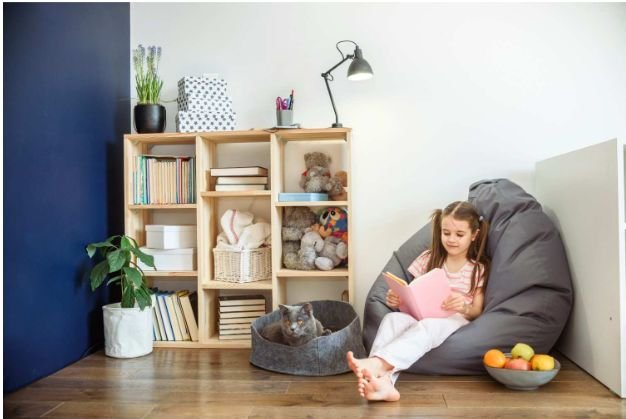
    Not every quiet corner needs to be only for homework. If your child enjoys reading, add soft, low-profile furniture to create a cozy reading nook. Choosing the right kids furniture for bedtime reading, such as a comfortable chair, floor cushions, a small bookshelf, and warm lighting, can make the space more inviting and encourage a relaxing reading routine before bed.

    Floor loungers, cushions, small beanbags, and soft rugs make reading feel relaxed and inviting. Forward-facing bookshelves are also useful for younger children because they display book covers outward. This makes it easier for kids to choose books independently instead of pulling everything off a deep shelf.

    A reading nook works best when it stays simple. Too many toys or decorative items can turn the area into a play zone instead of a calm learning space.

    Where Should You Place a Study Corner at Home?

    Where Should You Place a Study Corner at Home

    The best place is usually a low-traffic corner with good lighting and fewer distractions. A bedroom corner, hallway nook, living room corner, or space near the kitchen can all work depending on your child’s age and needs.

    Avoid placing the desk beside a TV, gaming console, toy shelf, or busy doorway. If your home has an open layout, use a rug, bookshelf, curtain, or small divider to create a visual boundary. This helps the child understand that the corner has a clear purpose.

    Natural light is helpful, but glare can make reading or screen work uncomfortable. A window-side desk works best with blinds or curtains to control brightness.

    How Can Lighting Improve a Kids Homework Station?

    Lighting plays a major role in focus. Poor lighting can cause eye strain, tiredness, and frustration. A desk lamp with adjustable brightness helps children read, write, draw, and complete projects more comfortably.

    Warm white lighting usually feels better for evening homework. The lamp should brighten the work surface without shining directly into your child’s eyes. If the corner is in a darker bedroom or hallway, task lighting becomes even more important.

    What Colors Work Best for a Quiet Study Space?

    Calm colors help create a peaceful study mood. Soft blue, sage green, warm white, beige, light gray, shades of yellow, and natural wood tones usually work better than neon shades or busy patterns.

    That does not mean the space should feel plain. You can add personality with a small pinboard, framed print, pencil holder, or chair cushion. The background should stay calm, while a few personal touches make the space feel welcoming.

    What Mistakes Should Parents Avoid?

    What Mistakes Should Parents Avoid

    One mistake is buying furniture only because it looks cute. A desk and chair must fit your child’s body first. If the chair is too high or the desk is too low, your child may slouch or lose focus quickly.

    Another mistake is adding too much furniture. A study area packed with shelves, bins, toys, gadgets, and decorations can feel overwhelming. Keep the setup clean and practical.

    The third mistake is ignoring your child’s habits. If your child reads more than they write, add a better reading seat. If they use many worksheets, add paper storage. If they get distracted easily, keep the desktop almost empty.

    Frequently Asked Questions (FAQs)

    1. What is the best furniture for a kids study corner?

    A height-friendly desk, ergonomic chair, storage shelf, desk lamp, and small organizer are the best basics for a kids study corner.

    2. How do I make a small study corner for kids?

    Use a compact corner desk, slim chair, wall shelves, task lamp, and rug to define the study space without taking over the room.

    3. Are L-shaped desks good for kids?

    Yes, L-shaped desks are good for kids when you need to use a bedroom corner and create separate areas for books, laptops, and writing.

    4. How can I make a study corner less distracting?

    Keep the desktop clear, use calm colors, remove toys nearby, limit screen distractions, and store supplies in easy-to-reach places.

    Final Thoughts

    The best kids furniture for quiet study corner designs should make learning feel calm, comfortable, and easy to repeat every day. Start with a supportive desk and chair, add smart storage, include soft lighting, and choose a peaceful location away from distractions.

    You do not need a large room or expensive makeover. With thoughtful planning, kids furniture for quiet study corner setups can help your child stay organized, focus better, and enjoy a healthier homework routine at home.

  • Home Office Feng Shui Tips for Better Productivity

    Home Office Feng Shui Tips for Better Productivity

    Working from home taught me one thing quickly: a desk is not just a desk. The way my workspace feels can affect how clearly I think, how long I stay focused, and how smoothly my day flows. That is why Home Office Feng Shui Tips for Better Productivity can be so useful for anyone trying to create a calmer and more effective work area.

    Feng shui is not about making a room look mystical or complicated. It is about arranging your space so it feels balanced, supportive, and easy to work in. A few smart changes can help reduce distractions, improve comfort, and make your office feel more intentional.

    Why Feng Shui Matters in a Home Office

    A home office can easily become a mix of work papers, chargers, laundry, boxes, and random household items. When the space feels messy, the mind often feels messy too. Feng shui focuses on energy flow, but in practical terms, it also supports better organization, comfort, and focus.

    A better layout can make your office feel less stressful. Good lighting, clean surfaces, proper desk placement, and natural elements all help create a space where work feels easier.

    Place Your Desk in the Command Position

    One of the most common feng shui tips is placing your desk in the command position. This means your desk should face the entrance of the room, but not sit directly in line with the door.

    This setup helps you feel more aware and in control. Sitting with your back to the door can create a subtle sense of distraction because you cannot see what is behind you. If your room layout does not allow this, use a small mirror so you can see the entrance from your seat.

    Avoid Facing a Blank Wall All Day

    A desk pushed directly against a blank wall can feel limiting. If you must face a wall, add calming artwork, a vision board, or a clean shelf with a few meaningful items. The goal is to make the view feel open and inspiring instead of cramped.

    Declutter Before You Decorate

    Declutter Before You Decorate

    No feng shui setup works well if the desk is covered in clutter. Start by removing anything that does not support your workday. Keep only the items you use often, such as your laptop, notebook, pen holder, lamp, and one or two personal objects.

    Clear drawers, sort papers, hide extra wires, and avoid stacking old files where you can see them. A clean desk helps the room feel lighter and makes it easier to begin work without feeling overwhelmed.

    Use Natural Light Whenever Possible

    Natural light can make a home office feel more energetic and pleasant. If possible, place your desk near a window, but avoid harsh holes and glare on your screen. Soft daylight can improve mood and make long work hours feel less draining.

    If your office does not get much daylight, use layered lighting. A ceiling light alone may feel flat, so add a desk lamp for task work and a warm floor lamp for balance.

    Choose Colors That Support Focus

    Color has a strong effect on how a room feels. Soft greens, warm neutrals, muted blues, and earthy shades are often good choices for a productive office. These colors create a calm atmosphere without making the space feel dull. If your office also serves as a reading or meeting area, knowing how to choose a sofa that complements your color palette and provides lasting comfort can help create a workspace that is both functional and inviting.

    Avoid using too many bold colors around your desk. Bright red, neon tones, or overly busy patterns may feel exciting at first, but they can become distracting during long work sessions.

    Add Plants for Fresh Energy

    Plants are one of the easiest ways to bring life into a workspace. They soften the look of desks, shelves, and corners while adding a natural element to the room.

    Good options include snake plants, pothos, peace lilies, or small succulents. Choose low-maintenance plants if you are busy. A dead or neglected plant creates the opposite effect, so pick something easy to care for.

    Balance Technology With Calm Details

    A home office usually has screens, cables, chargers, routers, and devices. Too much visible technology can make the room feel tense. Use cable clips, boxes, baskets, or desk trays to keep cords organized.

    You can also balance tech-heavy areas with natural textures such as wood, cotton, ceramic, stone, or woven storage. This keeps the room from feeling cold or overly digital.

    Keep Your Chair Supportive and Stable

    Keep Your Chair Supportive and Stable

    In feng shui, support matters. In practical terms, that means your chair should be comfortable, sturdy, and good for your posture. A weak, wobbly, or uncomfortable chair can make work feel harder than it needs to be.

    Choose a chair with back support and adjust it so your feet rest comfortably on the floor. If your chair faces away from a wall, place a solid bookcase or cabinet behind you to create a stronger sense of support.

    Create a Clear Work Zone

    If your office is part of a bedroom, living room, or shared area, define the workspace clearly. Use a rug, shelf, screen, plant, or lighting change to separate work from personal life.

    This helps your mind understand when it is time to focus and when it is time to relax. Even a small corner can feel like a real office when it has clear boundaries.

    Avoid Sharp, Stressful Corners

    Sharp corners from furniture, shelves, or décor pointing toward your chair can make a space feel uncomfortable. If possible, soften these areas with plants, rounded accessories, fabric, or repositioned furniture.

    Rounded shapes can make the office feel more welcoming. You do not need to replace everything. Small changes are enough to make the space feel smoother.

    Use Meaningful Décor, Not Random Décor

    Decorate with intention. Add items that support your goals, such as a framed quote, artwork, a clean calendar, or a small object that reminds you of progress. Avoid filling shelves with too many decorative pieces that collect dust.

    A good office should feel personal but not crowded. Every visible item should either be useful, beautiful, or motivating.

    Frequently Asked Questions

    1. What are the best Home Office Feng Shui Tips for Better Productivity?

    The best tips include placing your desk in the command position, clearing clutter, using natural light, adding plants, choosing calming colors, and keeping your chair supportive.

    2. Where should my desk face in a home office?

    Your desk should ideally face the door without being directly aligned with it. This creates a more balanced and confident working position.

    3. What colors are best for a productive office?

    Soft green, blue, beige, cream, warm white, and earthy tones work well because they feel calm, clean, and focused.

    4. Can feng shui help a small home office?

    Yes. Feng shui can work in small spaces by improving layout, reducing clutter, using better lighting, and creating a clear work zone.

    Final Thoughts

    When I changed my workspace with simple feng shui ideas, I noticed the room felt easier to use and less distracting. The biggest improvements came from moving my desk, clearing clutter, improving lighting, and adding natural elements.

    You do not need a perfect office to get results. Start with one corner, one drawer, or one desk adjustment. With the right changes, Home Office Feng Shui Tips for Better Productivity can help your workspace feel calmer, cleaner, and more focused every day.

  • Kids Furniture for Bedtime Reading: Create a Cozy Night Routine

    Kids Furniture for Bedtime Reading: Create a Cozy Night Routine

    Choosing the right kids’ furniture for bedtime reading can turn a regular bedroom into a calm, cozy place where children naturally slow down at night. I believe bedtime reading works best when the space feels comfortable, safe, and easy for kids to use without needing constant help from parents.

    For many families in the US, evenings can feel rushed with homework, dinner, baths, and school prep for the next morning. A well-planned bedtime reading area helps children move from busy daytime energy into a more peaceful sleep routine. The right chair, bookshelf, lighting, and storage can make reading feel like a comforting habit instead of another task.

    Why Does Bedtime Reading Furniture Matter?

    Children can read anywhere, but the right setup makes a big difference. A dining chair may feel too stiff, a bed may encourage poor posture, and a cluttered room may distract your child. A dedicated kids bedroom reading nook creates a clear signal that it is time to relax.

    Good bedtime reading furniture supports comfort, independence, routine, and children’s mental health. When children can reach their books, sit safely, and enjoy soft lighting, they are more likely to read without screens before bed. This helps create a calmer evening rhythm for both kids and parents.

    What Is the Best Kids Furniture for Bedtime Reading?

    What Is the Best Kids Furniture for Bedtime Reading

    The best kids furniture for bedtime reading usually includes comfortable seating, simple book storage, soft lighting, and safe placement near the bed. I prefer furniture that looks inviting but still supports everyday use.

    A child-sized reading chair is a great starting point. Look for a supportive back, soft cushioning, and a low seat height. Younger children may enjoy foam chairs, small upholstered chairs, or convertible flip-out mini-sofas, while older kids may prefer a compact lounge chair or cushioned accent chair.

    Many of the same principles used in how to choose a sofa for a living room—such as prioritizing comfort, durability, quality materials, and the right size for the space—also apply when selecting seating that encourages children to read and relax.

    Plush floor seating is another smart choice, especially for toddlers and younger children. Oversized floor pillows, bean bags, and foam loungers sit low to the ground, which helps reduce fall risks. They also give kids room to stretch out with larger picture books.

    How Do All-in-One Bookcase Nooks Help Kids Read at Night?

    All-in-one bookcase nooks are one of the most practical options for a bedtime reading space. These units often include a built-in upholstered bench surrounded by storage cubbies. I like this setup because it gives children a structured place to sit while keeping books within arm’s reach.

    This type of furniture works especially well in kids’ bedrooms where parents want both seating and storage. The bench creates a dedicated reading spot, while the cubbies hold books, blankets, stuffed animals, and bedtime essentials. For safety, taller units should always be secured with anti-tip hardware.

    Are Front-Facing Book Ledges Better for Young Readers?

    Front-facing book ledges are excellent for pre-readers, toddlers, and early readers because they display book covers instead of spines. Since young children often choose books by pictures, this setup makes nightly story selection easier and more independent.

    Wall-mounted floating shelves can also save floor space in smaller bedrooms. I recommend placing them at a child-friendly height so kids can choose books safely without climbing. A front-facing book display also keeps favorite bedtime stories visible, which can encourage children to read more often.

    Why Bedside Storage Caddies Make Bedtime Easier

    Why Bedside Storage Caddies Make Bedtime Easier

    A bedside storage caddy is a simple but useful addition to a children’s reading corner. Hanging canvas pockets or slim wooden caddies can attach to the bed frame, bunk bed, or guardrail. This keeps the selected “books of the night” close to the mattress.

    I find this helpful because children do not need to get out of bed after reading. Once story time ends, they can tuck the book into the caddy and settle down. This small detail supports a smoother transition from reading time to sleep time.

    How Should You Place Reading Furniture Near the Bed?

    Proximity to the bed matters. The reading zone should be close enough that your child can move from story time to sleep without becoming too alert again. If the chair or reading nook is across the room, some kids may start playing or become distracted.

    A bedside reading corner, a chair beside the bed, or a floor cushion near a low bookshelf can work well. The goal is to make the shift from reading to sleeping feel seamless and calm.

    What Lighting Works Best for Bedtime Reading?

    Lighting should be soft, warm, and clear enough for reading. Harsh overhead bedroom lights can feel too bright before sleep. I prefer a dimmable warm-toned clip-on reading light, a stable bedside lamp, or a wall-mounted sconce.

    Place the light near the book without creating glare. Keep cords away from walkways, and choose stable lamps that children cannot knock over easily. Warm lighting helps the room feel peaceful while still protecting your child from eye strain.

    What Safety Features Should Parents Look For?

    What Safety Features Should Parents Look For

    Safety should always come before appearance. Choose rounded furniture corners, sturdy bases, washable fabric covers, and smooth finishes. If you use taller shelves or bookcase nooks, secure them to the wall with anti-tip hardware.

    For younger kids, low-to-the-ground seating is often safer than tall chairs. Washable covers also help with accidental spills, snack crumbs, and everyday mess. Avoid placing climbable furniture under windows, and keep the reading area away from heaters, vents, loose cords, and heavy wall décor.

    How Can Small Bedrooms Still Have a Reading Nook?

    A small bedroom can still have a beautiful reading space. You do not need a large room or expensive furniture. A floor cushion, narrow book ledge, bedside caddy, and warm lamp can create a cozy reading corner without taking up much space.

    Storage ottomans can hold books while doubling as seating. Wall shelves can replace bulky bookcases. A foam flip-out mini-sofa can work as both a reading seat and a lounge spot. The best setup is the one that fits your child’s room and routine.

    Frequently Asked Questions (FAQs)

    1. What furniture is best for a kids bedtime reading nook?

    A child-sized chair, low bookshelf, front-facing book ledge, floor cushion, bedside caddy, and warm reading lamp work best.

    2. Are bean bags good for kids’ bedtime reading?

    Yes, bean bags can work well if they provide enough support and allow children to sit comfortably without too much slouching.

    3. How do I create a reading corner in a small kids bedroom?

    Use wall-mounted book ledges, a floor cushion, a bedside storage caddy, and a compact lamp to save space.

    4. What type of lighting is best for bedtime reading?

    A warm-toned dimmable lamp, wall sconce, or clip-on reading light is best because it supports reading without feeling too bright.

    Final Thoughts

    The right kids’ furniture for bedtime reading can make evenings calmer, more organized, and more enjoyable. A child-sized chair, plush floor cushion, all-in-one bookcase nook, front-facing book ledge, bedside caddy, and warm reading light can all support better nighttime habits.

    I believe the best bedtime reading space is not the most expensive one. It is the one your child wants to use every night. When books stay close, lighting feels soft, and furniture supports comfort and safety, bedtime reading becomes a routine children look forward to.

  • How To Arrange Living Room Furniture With TV

    How To Arrange Living Room Furniture With TV

    Figuring out how to arrange living room furniture with tv gets easier when I stop treating the screen as the only star of the room. The best layout should let you watch comfortably, walk through the room easily, enjoy natural light, and still have a space that feels like a living room, not a waiting area with a television.

    Start With the TV Triangle Test

    Before moving a sofa, I use a simple TV triangle test. The three points are the TV, the main seat, and the main walkway. If one point feels wrong, the whole room feels awkward.

    The TV should face the primary sofa directly when possible. This keeps your neck relaxed and avoids that sideways twist people tolerate for months. For comfort, the screen center should sit close to seated eye level. Ergonomic guidance from Mayo Clinic says screens should sit at or slightly below eye level for comfortable viewing, which supports the same principle in living rooms.

    The walkway matters just as much. Nobody should need to cross between the sofa and TV to reach another room. That one mistake makes even expensive furniture feel badly planned.

    Place the Sofa for Comfort and Flow

    Place the Sofa for Comfort and Flow

    The sofa is the anchor. I usually place it first, then build the room around it. When planning how to arrange living room furniture with tv, avoid pushing every piece against the wall by default. A floating sofa can make the room feel more intentional.

    Best Viewing Distance

    A good rule is to place the main sofa about 10 to 12 feet from the TV in medium and large living rooms. For smaller rooms, reduce the distance based on screen size. Larger screens need more breathing room.

    If the TV feels too close, people lean back or avoid the room. If it feels too far, they squint or turn up the brightness. Both are signs the layout needs adjustment.

    Coffee Table and Walkway Rules

    Leave 14 to 18 inches between the sofa and coffee table. That gives enough space to move while keeping drinks and remotes within reach.

    For walkways, leave a clear path behind or beside seating. In my own layouts, I treat traffic flow like furniture. It needs space, shape, and purpose.

    Choose the Right TV and Window Layout

    Windows can make or break a TV layout. Natural light looks beautiful, but glare ruins daytime viewing. The smartest solution is usually placing the TV perpendicular to the window wall.

    Perpendicular TV Layout

    This is the best overall layout for most homes. Place the TV on a wall adjacent to the window. Then place the sofa directly opposite the TV. The window stays to the left or right, so you enjoy daylight without staring into glare.

    Add sheer curtains, Roman shades, or motorized shades if the room gets strong afternoon sun. This keeps the space bright without washing out the screen.

    Under-the-Window Layout

    For small rooms, a low media console under the window can work. Choose a shorter TV that does not block the window glass or sill. Then place the sofa across from both the TV and window.

    This layout saves wall space, but it has one drawback. Daylight sits directly behind or around the screen, so blackout curtains may be needed for daytime viewing.

    Floating Swivel Layout

    In large rooms, I like using a floating sofa with swivel chairs near the window. The sofa faces the TV, while the chairs can turn toward the screen, the view, or conversation.

    This layout works well when the living room has several doors, large windows, or an open-plan design. It also keeps walkways from cutting through the TV zone.

    Balance the TV With Other Focal Points

    Balance the TV With Other Focal Points

    A fireplace, large window, built-in shelves, or statement wall can compete with the TV. Do not force every focal point onto the same wall.

    If you have a fireplace, avoid mounting the TV too high over the mantel unless the viewing angle is comfortable. A low console beside the fireplace often feels better and looks more natural.

    For a conversation-friendly layout, place two sofas facing each other perpendicular to the TV wall. Then add swivel armchairs that turn toward the TV for movie nights. This keeps the room social without sacrificing screen visibility.

    Style the Room Without Making It Feel Like a Theater

    Once the layout works, soften the room. Use an area rug to anchor the seating zone. Choose a media console wider than the TV so the wall feels balanced. A tiny console under a large screen can make the setup look top-heavy.

    Mix shapes too. A straight sofa pairs well with a round coffee table. Boxy sectionals look warmer with curved side tables or soft ottomans.

    Safety also matters. The U.S. Consumer Product Safety Commission recommends anchoring TVs and furniture to prevent tip-over injuries, especially in homes with children. A beautiful layout is not finished until heavy pieces are secure.

    For more room planning inspiration, explore living room furniture layout ideas before choosing your final setup.

    FAQs

    1. How do I arrange a small living room with a TV?

    Use a compact sofa facing the TV, choose a low media console, and keep walkways open instead of adding extra chairs.

    2. Should the couch face the TV or fireplace?

    The couch should face the feature used most often, but swivel chairs can help balance both.

    3. Can I put a TV in front of a window?

    Yes, but only with a low console, smaller TV, and curtains to control glare.

    4. What is the best layout for how to arrange living room furniture with tv and windows?

    Place the TV perpendicular to the window wall and position the sofa directly across from the screen.

    The Final Couch Boss Move

    The best layout is not the one that looks perfect in a showroom. It is the one that works at 7 p.m., when someone is watching TV, someone else is walking through the room, and the coffee table is actually being used.

    My final tip is simple: tape the sofa, TV stand, and coffee table positions on the floor before moving anything heavy. If the taped layout feels easy to walk through, comfortable to view, and balanced with the window, you have found your winner.

  • L-Shaped Desk vs Straight Desk: Which Is Better?

    L-Shaped Desk vs Straight Desk: Which Is Better?

    I used to think any desk would work as long as it looked good and had enough space for my laptop. That changed once I started working longer hours from home. The wrong desk can make a room feel crowded, messy, and uncomfortable. That is why comparing L-Shaped Desk vs Straight Desk: Which Is Better? matters before buying one.

    Both desk styles can support work, study, gaming, writing, and daily computer use. The better choice depends on your room size, work habits, storage needs, and how much equipment you use every day.

    What Is an L-Shaped Desk?

    An L-shaped desk has two connected surfaces that form a corner layout. It usually fits well against two walls or in a room corner. This design gives you more surface area without needing one very long desk.

    It is useful for people who use dual monitors, printers, notebooks, files, speakers, or multiple devices. One side can hold your computer setup, while the other side can be used for writing, planning, or storage.

    What Is a Straight Desk?

    A straight desk has one simple rectangular surface. It usually sits against one wall, under a window, or in the middle of a room. It is easy to place, move, clean, and decorate. If you are looking for home office decorating ideas on a budget, pair a simple straight desk with affordable wall art, floating shelves, a small desk lamp, or low-maintenance plants to create a stylish and functional workspace without spending a lot.

    Straight desks work well for small bedrooms, apartments, dorm rooms, and simple home offices. If your setup includes a laptop, one monitor, keyboard, mouse, and a few accessories, this style may be enough.

    Main Differences Between Both Desk Types

    Main Differences Between Both Desk Types

    Space And Room Layout

    An L-shaped desk gives more working surface but needs the right corner or wall space. It can feel bulky in a small room if the size is not planned properly.

    A straight desk is easier to fit in narrow rooms. It also gives you more flexibility if you often rearrange furniture.

    Work Surface And Storage

    If you like spreading out papers, books, office supplies, tech and electronics gear, an L-shaped desk feels more practical. It creates separate work zones and keeps things within reach.

    A straight desk offers less surface area but encourages a cleaner setup. It is better for minimal workstations and clutter-free rooms.

    Comfort And Ergonomics

    Comfort depends more on desk height, chair position, monitor distance, and legroom than desk shape. However, an L-shaped desk can reduce constant twisting if your tools are placed correctly.

    A straight desk can also be ergonomic if your monitor is at eye level, your elbows rest naturally, and your chair slides comfortably underneath.

    Dual Monitor And Tech Setup

    For dual monitors, large screens, printers, microphones, or gaming accessories, an L-shaped desk usually wins. It gives enough width and depth for a full setup.

    A straight desk can still work for tech users, but you may need a wider model and better cable management.

    When An L-Shaped Desk Is Better

    When An L-Shaped Desk Is Better

    Choose an L-shaped desk if you have a dedicated home office, corner space, several devices, or need separate zones for work and planning. It is also a strong choice for designers, gamers, remote workers, and people who multitask.

    The biggest advantage is control. You can keep your main screen on one side and use the other side for notes, calls, paperwork, or storage in a way that is incorporated into your daily routine.

    When A Straight Desk Is Better

    Choose a straight desk if your room is small, your setup is simple, or you want a clean modern look. It is also better if you move often or need a budget-friendly option.

    A straight desk is easier to assemble, easier to clean, and usually easier to match with different room styles.

    Frequently Asked Questions

    1. Is an L-shaped desk good for a small room?

    It can work in a small room if it fits neatly into a corner. However, a straight desk is often easier to place in tight spaces.

    2. Which desk is better for working from home?

    An L-shaped desk is better for heavy multitasking, while a straight desk is better for a simple laptop or single-monitor setup.

    3. Are L-shaped desks harder to assemble?

    Yes, they can take longer to assemble because they have more parts and a larger frame than most straight desks.

    4. L-Shaped Desk vs Straight Desk: Which Is Better?

    An L-shaped desk is better for space, storage, and multiple devices. A straight desk is better for simplicity, flexibility, and smaller rooms.

    Final Verdict

    So, L-Shaped Desk vs Straight Desk: Which Is Better? The answer depends on how you work.

    An L-shaped desk is better for larger setups, multitasking, storage, and corner offices. A straight desk is better for simple setups, smaller rooms, cleaner layouts, and easier movement.

    From my experience, the smartest choice is not the biggest desk. It is the desk that fits your room, supports your daily routine, and keeps you comfortable for long hours.

  • Living Room Furniture Layout Ideas That Work Fast

    Living Room Furniture Layout Ideas That Work Fast

    Living room furniture layout ideas can make the same room feel bigger, calmer, and easier to use without buying all new furniture. I usually start by asking one simple question: what should this room make easier, watching TV, talking, relaxing, hosting, or all of it?

    Start With the Focal Point Before Moving Furniture

    The best living room furniture layout starts with the focal point. That may be a TV, fireplace, window, built-in shelving, or scenic view. Once I choose that anchor, every sofa, chair, table, and rug has a clear job.

    A common mistake is placing furniture around the walls first. Designers often warn against pushing everything flat against the wall because it can weaken conversation flow and leave an empty middle zone. Recent design coverage also highlights floating furniture as a better way to create balance and comfort when the room allows it.

    For most homes, I leave clear walking paths first, then place seating. A comfortable walkway is often around 36 inches, while coffee tables usually work best around 18 to 24 inches from seating. These spacing rules keep the room usable, not just pretty.

    Classic Conversation Layout for Hosting

    The classic conversation layout works beautifully in square or symmetrical rooms. Place two sofas facing each other with a coffee table between them. This setup feels formal, balanced, and welcoming.

    If two sofas feel too heavy, I use one sofa with two accent chairs across from it. The chairs can angle slightly inward so people are not turning their necks to talk.

    This layout is best when the room is used for guests, family conversations, reading, and coffee table styling. It also works well around a fireplace because the seating naturally faces inward.

    L-Shaped Sectional Layout for Everyday Comfort

    L-Shaped Sectional Layout for Everyday Comfort

    An L-shaped sectional is one of the easiest living room furniture layout ideas for families. It gives generous seating, fills a corner well, and creates a relaxed zone for TV watching.

    The trick is balance. A sectional carries visual weight, so I avoid placing bulky furniture on every side. A slim accent chair, round ottoman, or open-leg side table can soften the layout.

    If you are buying new seating, measure before choosing and know how to choose a sofa for living room can help avoid oversized pieces that block traffic or crowd windows.

    Open-Concept Living Room Furniture Arrangement

    Open-concept rooms need invisible boundaries. I like using the back of a sofa as a divider between the living area and kitchen or dining space. A narrow console table behind the sofa makes that boundary feel intentional.

    The rug matters here. A large area rug should hold at least the front legs of the main furniture. Designers often use rug proportion rules to stop the room from looking disconnected, especially in open-plan spaces.

    Lighting also helps zoning. A floor lamp near a reading chair, table lamps near the sofa, and softer ambient lighting make the living area feel separate without adding walls.

    Small Living Room Layout Ideas That Feel Bigger

    Small Living Room Layout Ideas That Feel Bigger

    Small rooms need breathing space. I rarely push every piece tight against the wall. Even a few inches behind the sofa can make the layout feel more deliberate.

    Leggy furniture helps because light passes underneath it. Glass-top tables, nesting tables, armless chairs, and compact loveseats also reduce visual bulk.

    In apartments, I prefer one main sofa, one flexible chair, and one ottoman that can work as seating, footrest, or table. That gives function without overfilling the room.

    TV and Fireplace Layout Without the Awkward Angle

    TV and Fireplace Layout Without the Awkward Angle

    A TV and fireplace in different places can make furniture placement tricky. I first decide which feature gets daily priority. If the TV is used more, the main sofa should face it. The fireplace can still stay visually important with chairs angled toward both.

    In larger rooms, two small zones can work better than one forced layout. One side can support TV watching, while the other feels more conversational. Houzz design discussions often treat light, TV, and fireplace placement as the three major living room layout challenges.

    Avoid placing the TV too high above the fireplace if it causes neck strain. Comfort should beat symmetry every time.

    My Simple 10-Minute Layout Test

    Before moving heavy furniture, I test the room with painter’s tape. I mark the sofa, chairs, coffee table, rug, and walkway on the floor. Then I walk through the room like I would on a normal day.

    I check three things: can I enter easily, can people talk comfortably, and can I reach the table without stretching? If one answer is no, the layout needs adjusting.

    This small test saves time because furniture often feels larger in real life than it looks in your head. It also prevents the biggest mistake: buying more pieces before fixing the layout.

    FAQs

    1. What is the best living room furniture layout for small spaces?

    A floating sofa, compact chair, and multifunctional ottoman usually work best because they save space and improve flow.

    2. How do I arrange living room furniture with a TV?

    Place the main sofa facing the TV, then angle chairs inward so the room still supports conversation.

    3. Should living room furniture touch the rug?

    At least the front legs of sofas and chairs should sit on the rug to make the seating area feel connected.

    4. What are easy living room furniture layout ideas for apartments?

    Use raised-leg furniture, smaller tables, wall storage, and one flexible accent chair to keep the room open.

    Final Take: Don’t Let the Sofa Boss You Around

    The best living rooms do not happen by shoving a sofa against the longest wall and hoping for magic. I always start with purpose, then build around the focal point, flow, and comfort.

    Try one layout change before buying anything new. Move the sofa forward, angle a chair, resize the rug, or clear a walkway. Small shifts can make your living room feel smarter, warmer, and much more expensive.

  • Home Office Decorating Ideas on a Budget That Look Expensive

    Home Office Decorating Ideas on a Budget That Look Expensive

    When I first tried upgrading my workspace, I thought I needed new furniture, expensive lighting, and a designer-style makeover. I quickly realized that small, smart changes can completely transform a room without draining my wallet. 

    The best Home Office Decorating Ideas on a Budget are not about buying more things. They are about using space better, making the room feel calm, and choosing simple details that help you enjoy working every day.

    Start With What You Already Own

    Before buying anything, look around your home. An unused side table, spare dining chair, old bookshelf, basket, lamp, or framed print can become part of your office setup. Rearranging furniture often gives your workspace a fresh feeling without spending anything.

    Clear the desk first. Remove old papers, tangled cords, random décor, and items you do not use daily. A clean surface instantly makes the space feel more intentional. Then decide what the room actually needs: better lighting, more storage, a comfortable chair, or a warmer background for video calls.

    Choose a Budget-Friendly Desk Setup

    A stylish home office does not always need a traditional desk. A simple writing table, wall-mounted shelf, thrifted console table, or compact folding desk can work well in small rooms. If the desk is scratched or outdated, use peel-and-stick paper, fresh paint, or new drawer pulls to refresh it.

    For tight spaces, place the desk near a window, in an unused corner, or against an empty wall. A floating desk can make a small room feel open, while a narrow table works well in bedrooms or apartments.

    Make the Chair Look Better Without Replacing It

    A good office chair can be expensive, but you can improve the look of your current one. Add a neutral cushion, lumbar pillow, or soft throw to make it feel more polished. If you use a dining chair, add seat padding so it feels comfortable for longer work sessions.

    Use Lighting to Make the Room Feel Expensive

    Use Lighting to Make the Room Feel Expensive

    Lighting can change the entire mood of your office. A desk lamp, floor lamp, or clip-on light can make the space feel warmer and more professional. Choose soft white bulbs instead of harsh bright lighting if you want a cozy setup.

    If your office feels dull, place a lamp near the wall to create a layered glow. Natural light is also powerful, so keep window areas open whenever possible. Good lighting improves both the look of your workspace and your ability to focus. As part of your home office layout ideas for maximum productivity, position your desk to take advantage of natural light while adding task lighting where needed to create a comfortable, efficient, and inviting work environment.

    Add Wall Décor Without Spending Much

    Blank walls can make a home office feel unfinished. Affordable wall décor can include framed prints, postcards, family photos, calendars, fabric panels, or printable artwork. You can also create a small gallery wall with thrifted frames.

    Peel-and-stick wallpaper is a smart rental-friendly option for one accent wall. It creates a bold background without permanent changes. This is one of the easiest Home Office Decorating Ideas on a Budget because it adds personality fast.

    Use Storage as Decoration

    Clutter makes even a nice office look messy. Use storage that also adds style, such as woven baskets, wooden boxes, file holders, floating shelves, and cube storage organizers. Keep daily items within reach and store extra supplies out of sight.

    Vertical storage is especially useful in small spaces. Wall shelves, pegboards, and hanging organizers keep the desk clear while making the room look designed.

    Hide Cords and Small Messes

    Messy wires can ruin the look of a workspace. Use cable clips, cord covers, zip ties, or a small basket under the desk to manage chargers and extension cords. This tiny fix makes the office look cleaner immediately.

    Add Rugs, Plants, and Textiles

    Add Rugs, Plants, and Textiles

    A rug can define your office area, especially if your workspace is part of a bedroom or living room. Choose a low-pile rug that allows your chair to move easily. Curtains, cushions, and throws also make the office feel softer and more inviting.

    Plants are another affordable upgrade. Real or faux greenery adds color and freshness to your desk, shelves, or window ledge. Even one small plant can make the space feel less plain.

    Shop Smart for Affordable Finds

    You do not need designer stores to decorate well. Look for budget-friendly pieces at thrift stores, clearance sections, local marketplaces, discount home stores, and online sales. Search for desks, lamps, frames, baskets, shelves, and office chairs that can be updated with simple DIY touches.

    Before buying anything, measure your space. A bargain is not helpful if it makes the office feel crowded.

    Frequently Asked Questions

    1. What are the easiest Home Office Decorating Ideas on a Budget?

    Start by decluttering, moving your desk near natural light, adding a lamp, using baskets for storage, hanging affordable wall art, and refreshing your chair with a cushion or throw.

    2. How can I decorate a small home office cheaply?

    Use vertical shelves, a compact desk, wall organizers, light colors, mirrors, and hidden storage. Keep only daily essentials on the desk.

    3. How do I make my home office look expensive?

    Use matching storage, warm lighting, clean surfaces, framed art, a simple rug, and a few well-chosen decorative pieces instead of clutter.

    4. Can I decorate a rental home office?

    Yes. Use peel-and-stick wallpaper, removable hooks, freestanding shelves, rugs, lamps, and portable storage that can move with you.

    Final Takeaways

    I have learned that a beautiful workspace does not come from spending the most money. It comes from choosing details that make the room feel organized, comfortable, and personal. 

    With the right lighting, smart storage, simple wall décor, and a few cozy touches, Home Office Decorating Ideas on a Budget can make even a small corner feel like a productive and stylish place to work.

  • How To Choose A Sofa For Living Room Without Regret

    How To Choose A Sofa For Living Room Without Regret

    Knowing how to choose a sofa for living room comfort starts before you fall in love with color, curves, or cushions. I have seen beautiful sofas ruin a room because they blocked walkways, swallowed the layout, or failed to fit through the front door.

    A sofa is not just seating. It controls conversation, traffic flow, TV viewing, lounging, and the whole mood of the room. That is why I always start with space, then move to shape, fabric, build quality, and style.

    Start With The Room, Not The Sofa

    The biggest sofa mistake is buying with your eyes first. I measure before I browse because size decides everything.

    Measure the length, width, and height of your living room. Then measure doorways, hallways, staircases, elevators, and tight corners. A sofa that fits the room but not the entry path is still the wrong sofa.

    For daily comfort, leave about 18 inches between the sofa and coffee table. Keep main walkways around 30 to 36 inches wide where possible. Designers often recommend these clearances because they protect movement and make seating feel natural.

    My Tape-Test Method

    Before choosing a sofa, I mark the sofa footprint on the floor with painter’s tape. Then I walk around it for a full day.

    If I bump into the tape, the sofa is too deep or too wide. If the seating area feels empty, I may need a longer sofa, accent chairs, or a sectional. This simple test works better than guessing from product photos.

    This is my favorite original rule: if the taped sofa shape annoys you for one day, the real sofa will annoy you for years.

    Choose A Sofa Shape That Matches Real Life

    Choose A Sofa Shape That Matches Real Life

    When people ask me how to choose a sofa for living room layouts, I ask how they actually use the room. Formal guests, movie nights, kids, pets, naps, and remote work all need different seating.

    Standard, Sectional, Chesterfield, Track Arm, Or Sofa Bed

    A standard 3-seater works well in apartments, narrow rooms, and traditional layouts. It gives structure without taking over the floor.

    A sectional or L-shaped sofa suits open-plan homes, large families, and people who lounge often. It creates a strong zone, but it can feel bulky in small rooms.

    A Chesterfield adds button tufting, rolled arms, and a formal look. I like it in classic spaces, libraries, and rooms with vintage character.

    A Lawson or track-arm sofa feels cleaner and more modern. Square arms save visual space and work well with simple decor.

    A sofa bed or futon makes sense when the living room doubles as a guest room. Just check the mattress mechanism before buying, as some look good but feel uncomfortable for overnight use.

    When exploring living room furniture layout ideas, consider how the sofa bed will fit within the space, leaving enough room to open it easily while maintaining a comfortable flow for everyday seating and movement.

    Pick Fabric Based On Your Household

    Pick Fabric Based On Your Household

    Fabric choice should match your lifestyle, not just your Pinterest board.

    Performance fabric is my first choice for homes with kids, pets, snacks, and real life. It resists stains better and usually cleans faster.

    Leather is durable, easy to wipe, and ages well. It can scratch, but many scratches blend into the patina over time.

    Velvet looks rich and dramatic. It gives color amazing depth, but it needs brushing and more care.

    Linen and cotton blends feel casual and breathable. They look relaxed, but they wrinkle and stain more easily.

    For healthier indoor air, I also check what the sofa frame and panels are made from. The EPA notes that pressed wood products used in furniture can be sources of formaldehyde when made with certain adhesives.

    Check The Frame, Cushions, And Springs

    A sofa can look expensive and still be cheaply built. I always check the structure.

    Look for kiln-dried hardwood frames, such as oak, maple, or birch. These resist warping better than softwood or particleboard.

    Strong joinery matters too. Dowels, screws, corner blocks, and reinforced joints are better than glue alone.

    For cushions, high-density foam gives support. A down or fiber wrap adds softness. Very soft cushions may feel dreamy in the store but flatten quickly at home.

    For seating support, eight-way hand-tied springs are premium. Sinuous S-shaped springs can also last well when made with quality steel.

    In the US, upholstered furniture is also subject to federal flammability rules under 16 CFR Part 1640, which focuses on smolder resistance for upholstered furniture materials.

    Match Style Without Making The Room Feel Staged

    Match Style Without Making The Room Feel Staged

    The best sofa should look like it belongs, not like it wandered in from a showroom.

    If your room has soft curves, a rounded sofa can echo that shape. If your space has clean lines, a track-arm sofa usually fits better.

    Color depends on risk tolerance. Neutral sofas are flexible and easy to restyle. Bold sofas create personality but demand more commitment.

    I usually choose a calmer sofa and add drama through pillows, rugs, lamps, or artwork. It is cheaper to replace accessories than a full sofa.

    Sofa Buying Mistakes I Would Avoid

    Do not buy a sofa without sitting on it. Sit upright, lounge sideways, and test the arm height.

    Do not ignore seat depth. Shallow seats suit formal sitting. Deep seats suit lounging and taller users.

    Do not choose white linen if your living room hosts pets, kids, or constant snacks.

    Do not buy only for trends. Bouclé, curved silhouettes, and low-profile sofas can look beautiful, but comfort should win.

    Do not forget delivery access. Measure twice, buy once, and save yourself a doorway disaster.

    FAQs

    1. What size sofa is best for a small living room?

    A compact 2-seater or slim 3-seater works best, especially with raised legs and narrow arms.

    2. How to choose a sofa for living room with pets?

    Choose performance fabric or leather, removable cushion covers, tight weaves, and medium colors.

    3. Should a sofa be lighter or darker than the walls?

    Either works, but contrast helps the sofa stand out and keeps the room from looking flat.

    4. How long should a good sofa last?

    A well-built sofa with a hardwood frame and quality support can often last 7 to 15 years.

    The Sofa Should Earn Its Spot

    A sofa should not just look pretty. It should fit the room, survive your lifestyle, support your body, and still make you happy after the trend fades.

    My final tip is simple: tape the footprint, test the seat, check the frame, and choose fabric like someone will spill coffee on it. That is how to choose a sofa for living room style without letting regret sit beside you.

  • Bring Back the Glow: How to Oil Wooden Bedroom Furniture

    Bring Back the Glow: How to Oil Wooden Bedroom Furniture

    Walking into a bedroom filled with warm, rich wood tones instantly makes the whole space feel like a cozy sanctuary. Walking past a gorgeous walnut dresser that looks dry, dusty, and tired breaks my heart because bringing it back to life is so simple.

    Let us look at how to oil wooden bedroom furniture using easy tricks that major home blogs completely miss, ensuring your bedroom oasis stays flawless without any sticky mistakes.

    Decode Your Hidden Bedroom Grain

    Before grabbing a rag, we need to make sure your nightstand can actually drink what you are pouring.

    Many people make the mistake of pouring oil directly onto a modern store-bought bed frame, only to watch it pool up into a slimy mess. Modern factory bedroom sets are typically sealed with a hard plastic shell called polyurethane or lacquer finish. This protective coating blocks anything from getting into the wood, meaning surface oil will just sit on top and gather dust.

    To find out if your furniture can absorb oil, simply drop a single tablespoon of water onto an inconspicuous spot like the back of a headboard. If the water beads up into a tight ball after a few minutes, your piece is sealed shut, and a gentle wipe down with a damp cloth is all you need. 

    If the water slowly sinks in and darkens the wood surface, your furniture has an open pore finish and is absolutely starving for a deep, hydrating oil treatment.

    The Ultimate Bedroom Wood Oils

    Choosing the right product determines whether your dressers will look like museum pieces or dust magnets.

    Pure Tung Oil Magic

    Natural pressed tung tree oil is the gold standard for solid wood bedroom sets because it creates a tough, water resistant matte layer. It sinks deeply into dry grain lines and hardens over several days through a natural wood curing process, leaving behind a rich finish that highlights natural wood patterns. It takes a little longer to dry, but the beautiful glow and natural protection are worth the wait.

    Flaxseed and Linseed Blends

    Boiled linseed oil is a budget friendly option that darkens light woods beautifully and gives them a classic, warm amber tone. It dries much faster than raw versions because it contains added drying agents, making it perfect for weekend bedroom updates. Be sure to use a light touch, as heavy layers can turn slightly yellow over time.

    Danish and Hardwax Options

    Danish oil is a smart hybrid blend of oil and synthetic varnish that colors, hydrates, and protects bedroom surfaces all at once. If you want a smooth, touchable surface that holds up well against morning coffee mugs on your nightstand, this is the way to go. It offers the natural look of oil along with the durable protection of a light sealer.

    Prep Work for a Flawless Finish

    Prep Work for a Flawless Finish

    The secret to a beautiful glow lies in how well you clean the surface before applying any liquid treatments.

    Never apply fresh oils over old bedroom dust, skin oils, or residual wax buildup, or you will trap that grime under the finish forever. Start by clearing off your nightstands and removing all the drawers so you can access the entire frame easily. Wipe down the entire piece with a clean, dry microfiber cloth to remove loose particles and surface hair.

    A calm setup matters before any furniture care project, and the same balance found in home office feng shui tips for better productivity can help you create a cleaner, more focused workspace while restoring wooden bedroom pieces.

    If the piece has sticky residue or heavy grime from years of use, use a cloth slightly dampened with water and a tiny drop of grease cutting dish soap. 

    Work in small sections and immediately follow up with a fresh, dry cloth to ensure no water pools on the wood. Allowing moisture to sit can ruin the wood fiber, so keeping things dry is your main goal.

    Smooth Things Over With Light Sanding

    A gentle rubdown opens up the wood grain and creates the perfect canvas for your chosen conditioning oil.

    If the wood grain feels rough or fuzzy to the touch, rub it very gently with fine grit sandpaper between 220 and 320 grit. Always move the paper in the exact direction of the visible grain lines, because scrubbing across the grain creates tiny scratches that become highly visible once oiled. This step removes superficial scratches, old surface wax, and tiny rough spots that ruin the touchable feel of bedroom decor.

    Avoid over sanding because you do not want to strip away the historical character or original stain of an antique piece. Once the surface feels as smooth as silk, wipe the furniture thoroughly with a dry tack cloth or vacuum it with a soft brush attachment. Removing every speck of fresh sawdust ensures your oil coat will dry crystal clear and completely smooth.

    The Right Way to Coat Your Furniture

    The Right Way to Coat Your Furniture

    Mastering the actual application is incredibly easy when you treat the wood with a generous hand.

    Choose your high quality natural drying oil and shake or stir the container thoroughly to mix any settled drying agents. Instead of splashing the liquid directly onto the furniture top, pour a small puddle onto a lint free cotton cloth, a clean foam brush, or a premium microfiber rag. Working on one panel at a time ensures you maintain total control over the wetness of the wood.

    Apply a generous, even layer over the timber, rubbing the cloth in smooth circular patterns to force the fluid deep into the open pores. Finish the section by wiping straight along the direction of the grain to level out any pools. Make sure the wood looks completely wet, paying close attention to dry edges and carved details that soak up moisture rapidly.

    Soaking Pores and Buffing it Dry

    Timing is everything when it comes to letting the wood drink without letting the surface get ruined.

    Allow the oil to penetrate deep into the wood grain for about 10 to 20 minutes depending on how dry your bedroom climate is. This window lets the hungry fibers absorb everything they need to restore their deep, natural color tones. Do not walk away or let the oil dry completely on the surface, or it will turn into a sticky, gummy mess that catches lint.

    Take a fresh, completely dry lint free cloth and firmly buff the entire surface using broad, energetic strokes. Wipe off all excess oil until the timber feels completely dry to your bare hand and no wet streaks remain. This vigorous buffing is what creates that gorgeous, touchable satin sheen rather than a greasy, fingerprint collecting surface.

    Curing Times and Adding Extra Layers

    Curing Times and Adding Extra Layers

    Patience during the drying phase guarantees a durable finish that protects your furniture for years to come.

    Allow your freshly treated bedroom investment to cure in a well ventilated room with good airflow for at least 24 hours. Keep your heavy bedside books, alarm clocks, and ceramic lamps off the surfaces during this critical curing window. The oil needs this time to interact with oxygen and polymerize into a solid, protective layer inside the wood cells.

    If the wood looks exceptionally dry after a day of resting, you can easily apply a second or third coat using the exact same method. Just remember to wait a full 24 hours between each application to prevent trapping wet layers beneath dry ones. Two thin coats will always look cleaner and last much longer than one single heavy coat.

    Frequently Asked Questions

    1. What is the best oil to use on wood furniture?

    Pure tung oil or premium danish oil blends work best when learning how to oil wooden bedroom furniture. They soak into open wood pores and dry into a hard, protective matte finish that highlights natural grains without feeling greasy.

    2. Are you supposed to oil wood furniture?

    You should only oil furniture that has an open, unsealed wood finish or an existing oil treatment. Sealed factory pieces with thick polyurethane coatings cannot absorb oil, causing products to sit on top and create a sticky mess.

    3. Is Pledge actually good for wood?

    Aerosol sprays like Pledge contain silicone oils that create a temporary fake shine but leave a sticky residue behind. Over time, this buildup attracts dust and prevents real wood finishes from ever being repaired or re-covered properly.

    4. Is Murphy’s oil soap good for wood furniture?

    Murphy’s oil soap is a safe, gentle cleaner for washing away surface grime, but it does not condition the wood. It cleans beautifully but should not be used as a replacement for real curing wood oils.

    Wake Up Your Wood to a Gorgeous Tomorrow

    Taking the time to understand how to oil wooden bedroom furniture transforms dry, dull dressers into stunning focal points that elevate your entire home. Skipping the cheap grocery store aerosol sprays and using real polymerizing plant oils gives your furniture the deep hydration it deserves. 

    Once your wooden furniture has a fresh satin glow, styling the bed with how to layer bedding queen bed techniques can make the whole bedroom feel warmer, softer, and more complete.

    Enjoy the natural warmth, rich wood scent, and beautiful satin glow of your newly restored bedroom oasis.