
Structured Living Is Not Just About Rules — It Is About Readiness
A structured living program for teenage boys can easily be misunderstood if people focus only on schedules, supervision, or behavior management. Those elements matter, but they are not the full point. Structure becomes valuable when it helps a young man practice the ordinary responsibilities that adulthood demands: managing time, taking care of a space, handling personal tasks, and making better decisions under pressure.
That is why life skills are not a side benefit of structured living. They are the mechanism that makes the structure meaningful. Without life skills, a boy may learn how to comply in the short term but still struggle when the environment becomes less controlled.
With life skills, he begins building habits that travel with him into college, work, and independent living.
For adolescent boys who are dealing with anxiety, ADHD, depression, trauma, or technology dependence, that distinction matters. They do not just need a calmer environment. They need repeated, guided practice in how to live well. That is the practical value Live Strong House emphasizes through its relational, residential model.
Life Skills Turn Daily Structure Into Real Growth

Well-designed structured programs do more than keep boys busy. They use daily routines to teach competence. That is a crucial difference. A student who learns to wake on time, plan his day, prepare a meal, and complete chores is not just following directions.
He is learning executive functioning, accountability, and self-management in a way that feels concrete.
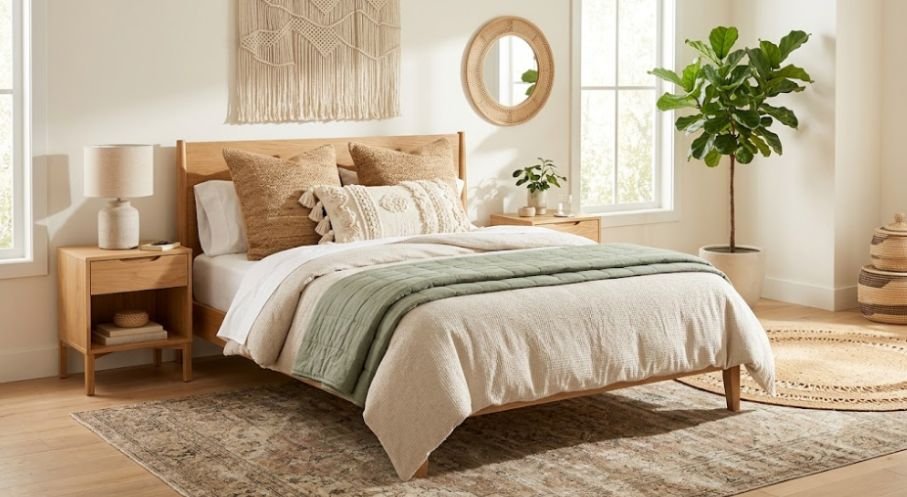
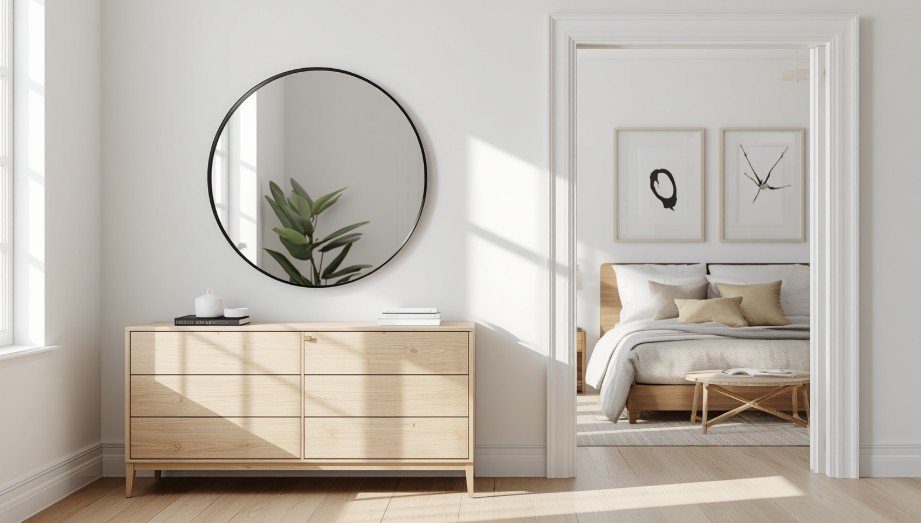
Learning to use shared spaces responsibly also includes understanding how to arrange living room furniture with a TV for better comfort, movement, and interaction in a room.
This is where Live Strong House stands out. Its townhome setting creates a more normalized living experience, which gives students a real environment in which to practice the rhythms of daily life. Instead of treating life skills as a classroom topic, the program turns them into lived experience.
A boy who can explain budgeting in theory is still unprepared if he cannot track a simple weekly allowance. A boy who understands time management in the abstract is still vulnerable if he cannot get ready for school, therapy, or a responsibility without prompting. Structured repetition closes that gap.
Why Repetition Matters More Than Motivation
Many teenage boys already know what they are “supposed” to do. What they often lack is consistency, sequencing, and follow-through.
That is why a life skills model must be practical, not inspirational. The goal is not to give a student a lecture about responsibility. The goal is to create enough repetition that responsible behavior becomes more automatic.
At Live Strong House, the 3:1 student-to-life-coach ratio supports that process. The student gets guidance in real time, not only after mistakes have piled up. That kind of coaching matters because life skills are often learned best in the middle of ordinary moments: cleaning up after a meal, setting a timer, organizing a room, or planning for the next day.
Independence Starts With Small Competencies, Not Big Promises
A lot of people talk about preparing for adulthood in vague terms. The more useful question is simpler: what can this young man do on his own, consistently, by the time he leaves? The answer usually starts small.
He can make breakfast. He can keep track of appointments. He can manage laundry. He can understand that a clean space affects his mood, focus, and follow-through.
These are not minor details. They are the building blocks of next-step readiness. When a teenage boy develops reliable habits in these areas, he is less likely to feel overwhelmed by the transition to a dorm, job, or more independent living arrangement.
He is also more likely to experience that transition as manageable rather than threatening.
Live Strong House approaches this through hands-on practice rather than passive instruction. That matters because independence is rarely created by knowledge alone. It is created by a young man successfully doing the thing enough times that it becomes part of his identity.
A strong, structured program should help students build competence in areas such as:
- Meal planning and basic cooking
- Budgeting and money awareness
- Laundry and personal organization
- Cleaning and household upkeep
- Time management and scheduling
- Communication and cooperation with peers
- Personal accountability and follow-through
Each of those skills reinforces the others. A student who can manage his morning routine is usually better able to handle school demands. A student who can keep his room and supplies in order is often better able to regulate stress. The gains are practical, but they are also psychological.
A Relational Model Makes the Lessons Stick
Life skills training works better when it happens inside a supportive relationship. That is one reason the relational model used by Live Strong House is so important. Teenage boys are much more likely to absorb correction, coaching, and redirection when they trust the adults giving it.
Structure without relationship can become compliance. Relationship with structure creates learning.
This is especially relevant for boys who have experienced instability, conflict, or repeated discouragement. If a young man expects adults to react only after he fails, he may stay guarded. But when a life coach walks beside him through ordinary responsibilities, the message changes. He is not being managed from a distance. He is being taught with consistency.
The Difference Between Supervision and Mentorship

Supervision can keep a student on task in the moment. Mentorship helps him understand why the task matters. That distinction is central to long-term growth. A boy may complete chores because he is told to, yet still not grasp how those habits support dignity, reliability, and self-respect.
In a setting like Live Strong House, daily mentorship gives meaning to the routine. A student is not just told to clean up; he is helped to connect order with responsibility.
He is not just reminded to manage time; he begins to see how time management lowers stress and protects his opportunities. That deeper understanding is what makes the skill portable outside the program.
Structured Living Works Best When It Mirrors Real Life
The best residential environments are not designed to feel like permanent supervision. They are designed to feel like preparation. That is why townhome living is strategically valuable. It gives teenage boys a setting that is structured, but not isolated from ordinary life. They can practice responsibilities in a normalized environment that better reflects the expectations they will face later.
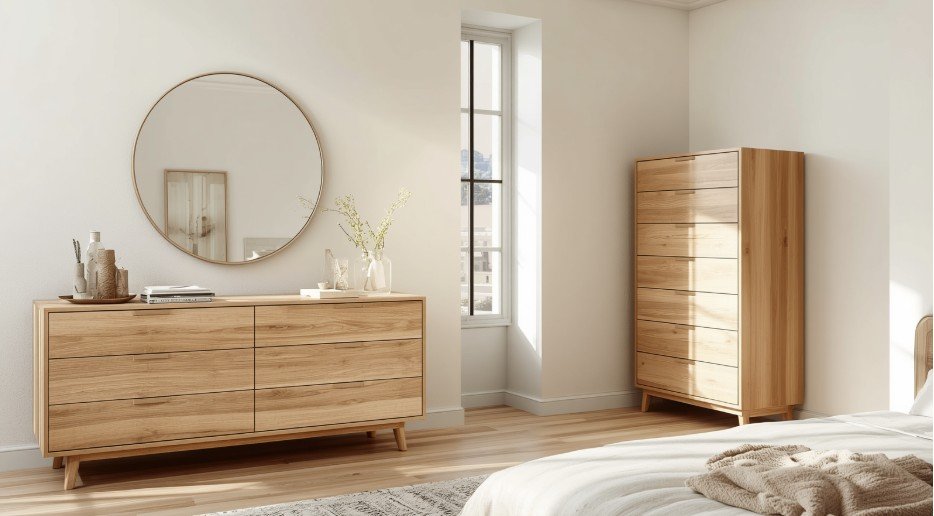
A well-organized living environment can also support focus and reduce unnecessary stress, making a clutter-free furniture layout a practical part of creating a space where young people can function more comfortably.
This matters because young men do not graduate into a controlled facility. They move into homes, campuses, jobs, and communities where they are expected to function without constant prompts. If all their training happens in an artificial environment, the transition can be jarring. If their training happens in a realistic living context, they are better prepared for what comes next.
Live Strong House uses this approach in a way that supports both growth and dignity. Students are not treated as if they are fragile or incapable. They are treated as boys who need structure, practice, and patient guidance so they can become more capable.
The long-term value of that approach is clear. When boys learn to manage the basics of living well, they are less dependent on external control and more able to make stable choices on their own. That is a better outcome than short-term compliance, and it is why life skills belong at the center of any serious structured living model.
What Professionally-Designed and Proven Programs Understand About Long-Term Change
A thoughtful structured living program for teenage boys does not measure success only by calm days or fewer disruptions. It measures whether a student is becoming more functional, more responsible, and more prepared for life after the program. That is the real test.
Programs like Live Strong House understand that this kind of growth is cumulative. It comes from cooking one meal correctly, keeping one schedule, completing one chore without reminders, and having one honest conversation at a time. Those small wins matter because they create a new standard for what the student believes he can do.
That is why life skills are not extra. They are the core of sustainable progress. They teach a boy how to live in the world, not just how to get through a season. And when a structured environment is built around that goal, it becomes far more than a place of routine. It becomes a place where readiness is actually developed.