Walk into a home with a heritage-inspired dining room, and you’ll notice something different almost immediately. It isn’t necessarily filled with expensive antiques or original architectural details. Instead, it feels layered, welcoming, and collected over time. Every piece seems to have a purpose, whether it’s a weathered wood table, a vintage chandelier, or artwork that looks like it belongs there rather than simply matching the walls.
The good news is that creating this look doesn’t require tearing down walls or restoring a century-old home. Many homeowners are moving away from perfectly coordinated interiors and embracing spaces with warmth and personality. If you’re looking to create heritage-inspired dining rooms without investing in a major remodel, a few thoughtful design choices can completely change how the space feels.
What Makes a Dining Room Feel Heritage-Inspired?
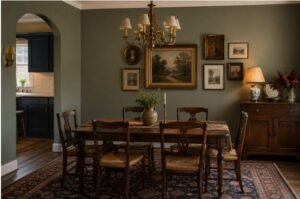
Heritage design celebrates craftsmanship, history, and materials that age beautifully. Rather than chasing short-lived trends, it focuses on timeless elements that make a room feel lived in. That doesn’t mean your dining room has to resemble a museum or strictly follow one historical style.
The secret is balance. Mixing traditional furniture with modern comforts keeps the room practical while preserving its character. Natural wood, handcrafted details, layered textures, and meaningful décor all contribute to a dining space that feels authentic rather than staged.
Start With Rich, Historic Color
Paint is one of the easiest ways to transform a room without changing its layout. Crisp white walls certainly have their place, but heritage interiors often rely on deeper shades that create warmth and depth.
Colors like forest green, navy, charcoal, burgundy, or muted terracotta instantly make a dining room feel established. These shades also provide the perfect backdrop for framed artwork, brass accents, and solid wood furniture.
Before committing to a color, test a few historic palettes in different lighting throughout the day. Natural sunlight and evening lighting can dramatically change how saturated colors appear.
Mix Dining Chairs Instead of Buying a Matching Set
Perfectly matched dining sets often create a polished but predictable look. Heritage-inspired spaces feel much more personal because they evolve over time.
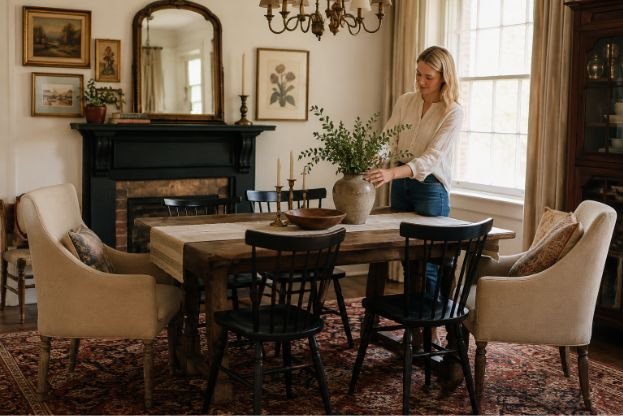
Keep your existing dining table if you love it and introduce different seating instead. Upholstered host chairs at each end paired with vintage wooden side chairs create visual interest without looking mismatched. Small variations in wood finish or fabric actually enhance the collected appearance.
Secondhand stores, estate sales, and antique markets are excellent places to find quality furniture built with traditional craftsmanship. A fresh coat of stain or new linen upholstery can breathe new life into older pieces while preserving their original charm.
Let Lighting Become the Centerpiece
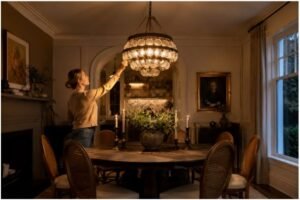
Lighting has an incredible ability to change the atmosphere of a dining room. Replacing a basic ceiling fixture with a traditional chandelier is often enough to give the entire space a stronger sense of character.
Look for fixtures made from brass, wrought iron, aged bronze, or crystal. These finishes complement both traditional and transitional interiors while creating a warm glow during evening meals.
Instead of relying on a single overhead light, layer the room with wall sconces, buffet lamps, or candles. Layered lighting creates depth and makes gatherings feel more inviting throughout every season.
Add Architectural Character Without Renovating
Many historic homes feature crown molding, wall paneling, built-in cabinetry, and decorative trim. Fortunately, you don’t need major construction to achieve a similar effect.
Lightweight panel molding kits, peel-and-stick wallpaper with classic patterns, or a carefully arranged gallery wall can introduce architectural interest without permanent changes. Even oversized mirrors with antique-inspired frames help create the illusion of a room that’s evolved over generations.
These additions give the eye something to explore while making even newer homes feel richer in detail.
Bring Warmth Through Natural Materials
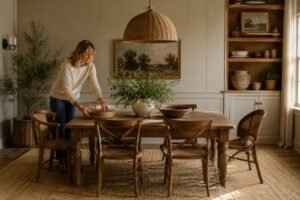
One reason heritage-inspired spaces never feel dated is their use of materials that develop character over time. Solid wood furniture, linen textiles, woven baskets, stone accessories, and ceramic serving pieces all introduce texture that manufactured finishes often lack.
A simple linen table runner, woven placemats, or handcrafted pottery can soften the room without making it feel overly decorated. Instead of filling every shelf, choose a few well-made pieces that tell a story. These natural materials also age gracefully, making the room feel even more inviting over the years.
Mixing textures is just as important as mixing furniture. Pair polished wood with soft upholstery, aged brass with crisp linen, or smooth ceramics with rustic wood. These subtle contrasts create depth while keeping the room comfortable for everyday meals.
Decorate With Pieces That Have Meaning
Heritage design isn’t about buying everything from one collection. It’s about creating a space that feels personal.
Display family heirlooms, vintage serving bowls, framed black-and-white photographs, or books collected over the years. Even thrifted finds can add authenticity when they’re chosen thoughtfully. A brass candleholder, antique clock, or vintage landscape painting often becomes a conversation piece that gives the dining room its own personality.
Fresh greenery or dried branches also work beautifully as centerpieces because they bring life to the room without competing with the surrounding décor. Rather than changing decorations every season, build a collection that reflects your family’s story and evolves naturally over time.
Make Heritage Style Comfortable for Everyday Living
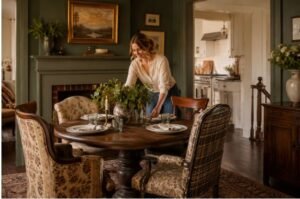
A beautiful dining room should still be a place where people want to gather for weeknight dinners, birthday celebrations, or long conversations over coffee. Heritage-inspired interiors succeed because they combine timeless beauty with everyday function.
Choose chairs that are comfortable enough for extended meals, select durable fabrics that can handle daily use, and leave enough open space for easy movement around the table. Storage pieces like sideboards or hutches can display favorite dishes while keeping everyday essentials within reach.
If you’re planning an elegant dining room setup that feels timeless rather than trendy, focus on quality over quantity. A handful of carefully chosen pieces will always have a greater impact than filling the room with matching accessories.
FAQs: Easy Ways to Create Heritage-Inspired Dining Rooms Without a Full Remodel
Can I create a heritage-inspired dining room in a newer home?
Yes. Paint colors, vintage furniture, layered lighting, and natural materials can bring heritage character to modern homes without changing the architecture.
Do I need expensive antiques to achieve this style?
Not at all. Thrift stores, estate sales, flea markets, and quality reproductions can create the same collected look while keeping costs manageable.
Which colors work best in heritage-inspired dining rooms?
Deep greens, navy, warm browns, terracotta, burgundy, and other historic shades pair beautifully with wood furniture and brass accents.
How do I keep the room from feeling too formal?
Mix classic elements with comfortable seating, simple table linens, fresh greenery, and everyday décor. The goal is a welcoming space that feels lived in rather than perfectly staged.
Why Timeless Rooms Always Feel More Personal
The best heritage-inspired dining rooms don’t try to recreate the past exactly. They borrow the qualities that made older homes memorable—craftsmanship, warmth, and thoughtful details—while adapting them for modern living.
A carefully chosen paint color, a vintage chair with visible character, or a family heirloom displayed on a sideboard can add more personality than an entire room of brand-new furniture. Those small decisions help create a space that feels authentic instead of perfectly coordinated.
When a dining room reflects both history and the people who use it every day, it becomes a place where memories naturally continue to grow.