A dining room often gets less attention than a kitchen or living room, yet it’s one of the spaces people remember most. It’s where holiday dinners stretch into late-night conversations, birthdays are celebrated, and everyday meals become family traditions. Even if the room isn’t used daily, its design leaves a lasting impression on guests and potential buyers alike.
That’s why the best dining room upgrades aren’t always the most expensive ones. A timeless space doesn’t rely on trendy colors or oversized statement pieces that quickly feel dated. Instead, it combines thoughtful design, quality materials, and practical improvements that continue to look beautiful year after year. If you’re planning updates, focusing on long-term value rather than short-lived trends can make every dollar work harder.
What Makes a Dining Room More Valuable?
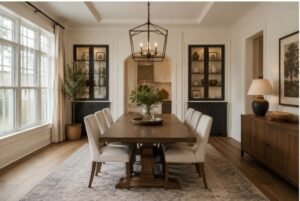
Adding value goes beyond increasing resale potential. A well-designed dining room improves how the space functions while making the entire home feel more polished. Buyers often notice details that create a sense of quality, even if they can’t immediately explain why a room feels inviting.
Timeless design also ages better. Instead of chasing the latest decorating trend, homeowners are investing in architectural character, durable materials, and furniture that adapts as styles evolve. These choices often deliver a better cost-per-wear over time because they don’t need frequent replacement.
Upgrade the Lighting Before Anything Else
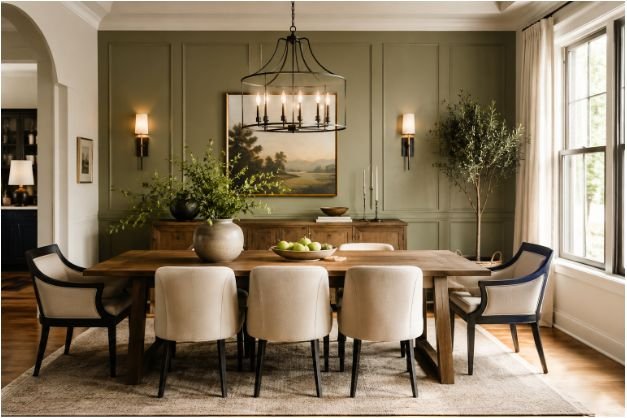
Lighting has one of the biggest visual impacts in a dining room. Replacing an outdated fixture with a well-proportioned chandelier or linear pendant instantly changes the atmosphere without requiring a full renovation.
Rather than choosing highly themed or trendy fixtures, look for finishes like brushed nickel, matte black, or unlacquered brass. These materials have remained popular across multiple design styles because they complement both traditional and contemporary interiors.
Layered lighting also improves functionality. Pairing an overhead fixture with wall sconces or dimmable lighting creates flexibility for everything from weekday dinners to larger gatherings. Natural light should also be part of the plan whenever possible. Keeping window treatments light and functional allows daylight to become another design feature.
Add Architectural Details That Never Go Out of Style
Few upgrades make a builder-grade dining room feel custom as quickly as architectural millwork. Wall paneling, picture-frame molding, Shaker-style wainscoting, or beadboard add depth and visual interest without overwhelming the room.
These details become part of the home’s structure rather than temporary decoration, which is one reason they continue to appeal to buyers. They also provide a refined backdrop for changing furniture and décor over the years.
If you’re drawn to classic interiors, this is also where heritage-inspired dining rooms offer lasting inspiration. Traditional craftsmanship paired with updated finishes creates a space that feels warm, welcoming, and relevant instead of outdated.
Invest in Flooring That Lasts
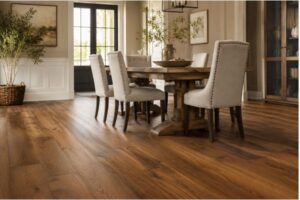
Flooring plays a major role in both appearance and durability. Worn carpet or aging vinyl can make an otherwise attractive dining room feel neglected, while quality hardwood flooring immediately creates a stronger first impression.
White oak, walnut, and wide-plank hardwood remain popular because they complement many interior design styles. If replacing flooring isn’t practical, refinishing existing hardwood often delivers impressive results at a lower cost.
An area rug can further define the dining space, but size matters. A rug should be large enough that chairs remain on it even when they’re pulled back from the table. This small detail improves both comfort and visual balance.
Build a Timeless Foundation With Color and Texture
Paint is one of the most affordable home improvement ideas, but choosing the right color matters. Soft whites, warm taupes, gentle greiges, and muted earth tones create a timeless backdrop that works with changing décor instead of competing with it.
Texture is just as important as color. Linen curtains, woven shades, natural wood finishes, and cotton or wool textiles soften the room while adding depth. Rather than filling shelves with decorative accessories, focus on a few meaningful pieces that complement the space. A carefully chosen mirror, framed artwork, or ceramic centerpiece often creates more impact than multiple small decorations.
Add Storage That Blends Style and Function
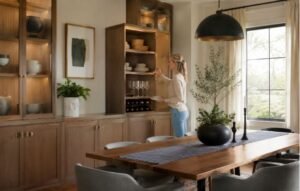
Storage is one of the most overlooked dining room upgrades that add value to your home. A built-in buffet, sideboard, or custom hutch keeps serving dishes, table linens, and seasonal décor organized while making the room feel thoughtfully designed.
If custom cabinetry isn’t in the budget, a freestanding buffet can offer similar benefits. Look for quality construction, timeless finishes, and enough storage to reduce clutter. Buyers often appreciate spaces that feel practical as much as they admire beautiful design.
Which Upgrades Offer the Best Long-Term Value?
If you’re prioritizing your budget, focus on improvements that combine durability with everyday function. These upgrades consistently deliver the greatest long-term value:
- Quality lighting, architectural millwork, hardwood flooring, and well-made furniture create a lasting impression while requiring minimal future updates.
- Neutral colors, layered textures, and practical storage keep the room functional and appealing for years, regardless of changing design trends.
A dining room doesn’t need a complete remodel to feel elevated. Often, a series of thoughtful upgrades produces a more refined result than one expensive renovation.
FAQs: Dining Room Upgrades That Add Value to Your Home While Keeping It Timeless
Which dining room upgrade adds the most value?
Lighting is often the best place to start. A timeless fixture paired with layered lighting instantly improves appearance, functionality, and buyer appeal.
Should I replace my dining room flooring?
If existing flooring is badly worn, upgrading to hardwood or refinishing quality wood floors usually offers better long-term value than replacing everything with trendy materials.
Are built-in cabinets worth the investment?
Yes. Built-in storage adds functionality, reduces clutter, and gives the room a custom look that many buyers appreciate during home tours.
How do I keep my dining room timeless?
Choose neutral colors, durable materials, quality furniture, and architectural details. Update accessories over time while keeping permanent features simple and classic.
Why Timeless Design Always Feels Like Home
The best dining room upgrades aren’t about impressing people for a season. They’re about creating a space that continues to feel welcoming through everyday meals, holiday gatherings, and life’s biggest celebrations. When you invest in quality craftsmanship, thoughtful layouts, and materials that age gracefully, your dining room becomes more than another room—it becomes part of your home’s story.
Design trends will continue to change, but timeless spaces rarely lose their appeal.