Working from home taught me one thing quickly: a desk is not just a desk. The way my workspace feels can affect how clearly I think, how long I stay focused, and how smoothly my day flows. That is why Home Office Feng Shui Tips for Better Productivity can be so useful for anyone trying to create a calmer and more effective work area.
Feng shui is not about making a room look mystical or complicated. It is about arranging your space so it feels balanced, supportive, and easy to work in. A few smart changes can help reduce distractions, improve comfort, and make your office feel more intentional.
Why Feng Shui Matters in a Home Office
A home office can easily become a mix of work papers, chargers, laundry, boxes, and random household items. When the space feels messy, the mind often feels messy too. Feng shui focuses on energy flow, but in practical terms, it also supports better organization, comfort, and focus.
A better layout can make your office feel less stressful. Good lighting, clean surfaces, proper desk placement, and natural elements all help create a space where work feels easier.
Place Your Desk in the Command Position
One of the most common feng shui tips is placing your desk in the command position. This means your desk should face the entrance of the room, but not sit directly in line with the door.
This setup helps you feel more aware and in control. Sitting with your back to the door can create a subtle sense of distraction because you cannot see what is behind you. If your room layout does not allow this, use a small mirror so you can see the entrance from your seat.
Avoid Facing a Blank Wall All Day
A desk pushed directly against a blank wall can feel limiting. If you must face a wall, add calming artwork, a vision board, or a clean shelf with a few meaningful items. The goal is to make the view feel open and inspiring instead of cramped.
Declutter Before You Decorate

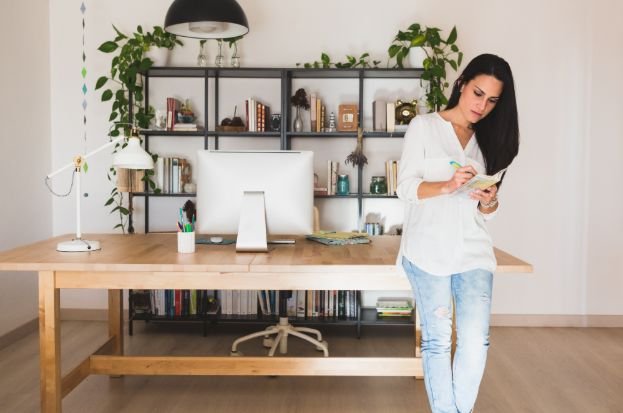
No feng shui setup works well if the desk is covered in clutter. Start by removing anything that does not support your workday. Keep only the items you use often, such as your laptop, notebook, pen holder, lamp, and one or two personal objects.
Clear drawers, sort papers, hide extra wires, and avoid stacking old files where you can see them. A clean desk helps the room feel lighter and makes it easier to begin work without feeling overwhelmed.
Use Natural Light Whenever Possible
Natural light can make a home office feel more energetic and pleasant. If possible, place your desk near a window, but avoid harsh holes and glare on your screen. Soft daylight can improve mood and make long work hours feel less draining.
If your office does not get much daylight, use layered lighting. A ceiling light alone may feel flat, so add a desk lamp for task work and a warm floor lamp for balance.
Choose Colors That Support Focus
Color has a strong effect on how a room feels. Soft greens, warm neutrals, muted blues, and earthy shades are often good choices for a productive office. These colors create a calm atmosphere without making the space feel dull. If your office also serves as a reading or meeting area, knowing how to choose a sofa that complements your color palette and provides lasting comfort can help create a workspace that is both functional and inviting.
Avoid using too many bold colors around your desk. Bright red, neon tones, or overly busy patterns may feel exciting at first, but they can become distracting during long work sessions.
Add Plants for Fresh Energy
Plants are one of the easiest ways to bring life into a workspace. They soften the look of desks, shelves, and corners while adding a natural element to the room.
Good options include snake plants, pothos, peace lilies, or small succulents. Choose low-maintenance plants if you are busy. A dead or neglected plant creates the opposite effect, so pick something easy to care for.
Balance Technology With Calm Details
A home office usually has screens, cables, chargers, routers, and devices. Too much visible technology can make the room feel tense. Use cable clips, boxes, baskets, or desk trays to keep cords organized.
You can also balance tech-heavy areas with natural textures such as wood, cotton, ceramic, stone, or woven storage. This keeps the room from feeling cold or overly digital.
Keep Your Chair Supportive and Stable
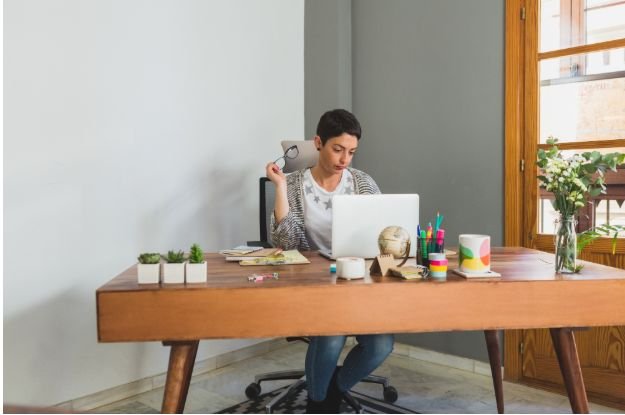
In feng shui, support matters. In practical terms, that means your chair should be comfortable, sturdy, and good for your posture. A weak, wobbly, or uncomfortable chair can make work feel harder than it needs to be.
Choose a chair with back support and adjust it so your feet rest comfortably on the floor. If your chair faces away from a wall, place a solid bookcase or cabinet behind you to create a stronger sense of support.
Create a Clear Work Zone
If your office is part of a bedroom, living room, or shared area, define the workspace clearly. Use a rug, shelf, screen, plant, or lighting change to separate work from personal life.
This helps your mind understand when it is time to focus and when it is time to relax. Even a small corner can feel like a real office when it has clear boundaries.
Avoid Sharp, Stressful Corners
Sharp corners from furniture, shelves, or décor pointing toward your chair can make a space feel uncomfortable. If possible, soften these areas with plants, rounded accessories, fabric, or repositioned furniture.
Rounded shapes can make the office feel more welcoming. You do not need to replace everything. Small changes are enough to make the space feel smoother.
Use Meaningful Décor, Not Random Décor
Decorate with intention. Add items that support your goals, such as a framed quote, artwork, a clean calendar, or a small object that reminds you of progress. Avoid filling shelves with too many decorative pieces that collect dust.
A good office should feel personal but not crowded. Every visible item should either be useful, beautiful, or motivating.
Frequently Asked Questions
1. What are the best Home Office Feng Shui Tips for Better Productivity?
The best tips include placing your desk in the command position, clearing clutter, using natural light, adding plants, choosing calming colors, and keeping your chair supportive.
2. Where should my desk face in a home office?
Your desk should ideally face the door without being directly aligned with it. This creates a more balanced and confident working position.
3. What colors are best for a productive office?
Soft green, blue, beige, cream, warm white, and earthy tones work well because they feel calm, clean, and focused.
4. Can feng shui help a small home office?
Yes. Feng shui can work in small spaces by improving layout, reducing clutter, using better lighting, and creating a clear work zone.
Final Thoughts
When I changed my workspace with simple feng shui ideas, I noticed the room felt easier to use and less distracting. The biggest improvements came from moving my desk, clearing clutter, improving lighting, and adding natural elements.
You do not need a perfect office to get results. Start with one corner, one drawer, or one desk adjustment. With the right changes, Home Office Feng Shui Tips for Better Productivity can help your workspace feel calmer, cleaner, and more focused every day.