Creating a sensory room at home is one of the most thoughtful ways I can support a child who needs help with calming, movement, focus, or emotional regulation. The right kids furniture for sensory room setups does more than fill space.
It helps create dedicated zones for vestibular movement, proprioceptive deep pressure, and tactile exploration so children can better regulate their nervous systems in a safe, comfortable environment.
Why Sensory Room Furniture Matters for Children
A sensory room works best when every furniture piece has a purpose. Some children need deep pressure when they feel overwhelmed. Others need safe movement through rocking, spinning, swinging, or balancing. Some children calm down through touch-based play with textures like sand, water, rice, foam, or soft fabrics.
That is why sensory room furniture for kids should not be chosen only for style. It should support the child’s body, emotions, and daily needs. For many US families, a sensory room can fit inside a bedroom corner, playroom, basement, therapy space, or homeschool area without requiring a full renovation.
Best Kids Furniture for Sensory Room by Sensory Need
The strongest sensory room setup usually has three zones. A calming zone supports deep pressure. A movement zone supports vestibular input. A tactile zone supports hands-on discovery and fine motor development. When these areas work together, the room feels organized instead of overstimulating.
Vestibular and Movement Furniture for Active Kids
Vestibular furniture helps children understand balance, motion, and spatial awareness. These pieces are useful for kids who enjoy rocking, spinning, swinging, or shifting their weight while playing or relaxing.
Compression Swings for Calming Movement
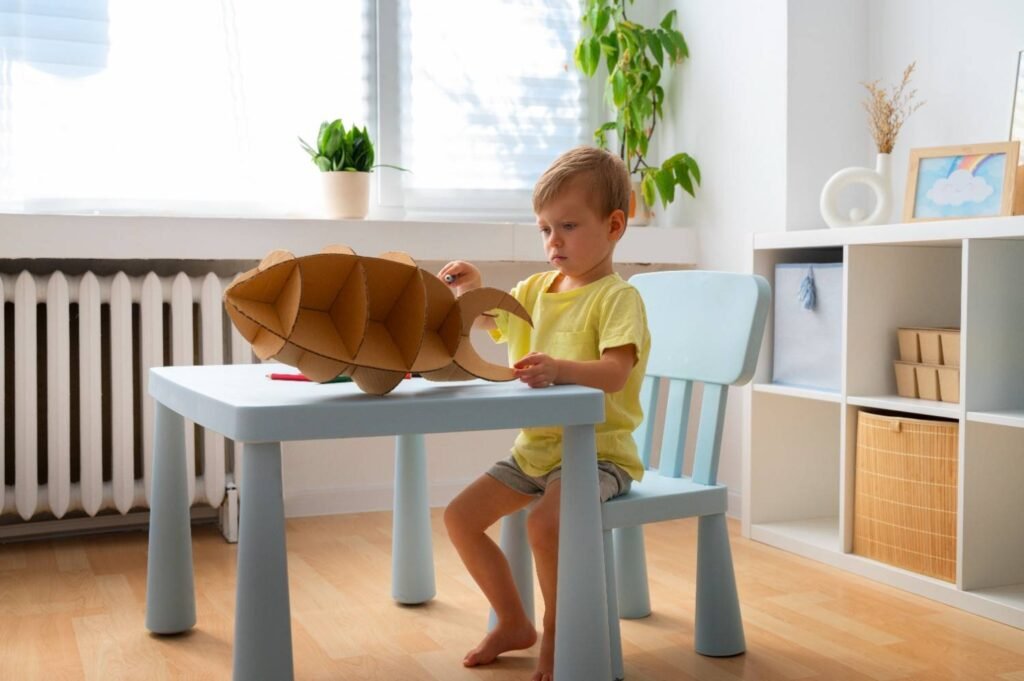
Compression swings are popular because they combine gentle movement with a cocoon-like feeling. The fabric wraps around the child and gives a hug-like effect while allowing controlled swinging. This can help some children feel grounded after school, before bedtime, or during emotional overload.
A ceiling-mounted swing should always be installed according to safety guidelines. For renters or smaller homes, a swing stand may be a better option.
Swivel and Spinning Chairs for Sensory Seekers
Swivel chairs and spinning floor seats allow controlled 360-degree movement. These can help children who seek rotation and motion, but they should be used with supervision. I would choose a low-profile spinning chair with a stable base instead of tall furniture that may tip.
Wobble Chairs and Spoon Chairs for Restless Bodies
Wobble chairs, spoon chairs, and ergonomic rocking seats give restless kids a safe outlet for movement. They allow children to shift weight, rock gently, and stay engaged without running across the room. These are especially helpful in homework corners, reading areas, and homeschool sensory spaces.
Proprioceptive and Deep Pressure Furniture for Calming
Proprioceptive furniture supports deep pressure and body awareness. This type of furniture, including pieces made with soft padding or acrylic fibre, is helpful for children who crash, squeeze, jump, roll, or seek firm physical feedback when they feel dysregulated.
Crash Pads for Safe Jumping and Decompression
Crash pads are one of the most useful pieces of sensory furniture for autism, ADHD, and sensory-seeking behavior. Large foam mats allow children to jump, roll, fall, and decompress impact safely. A good crash pad should have durable fabric, strong stitching, enough thickness, and a washable cover.
Body-Conforming Loungers for Quiet Breaks
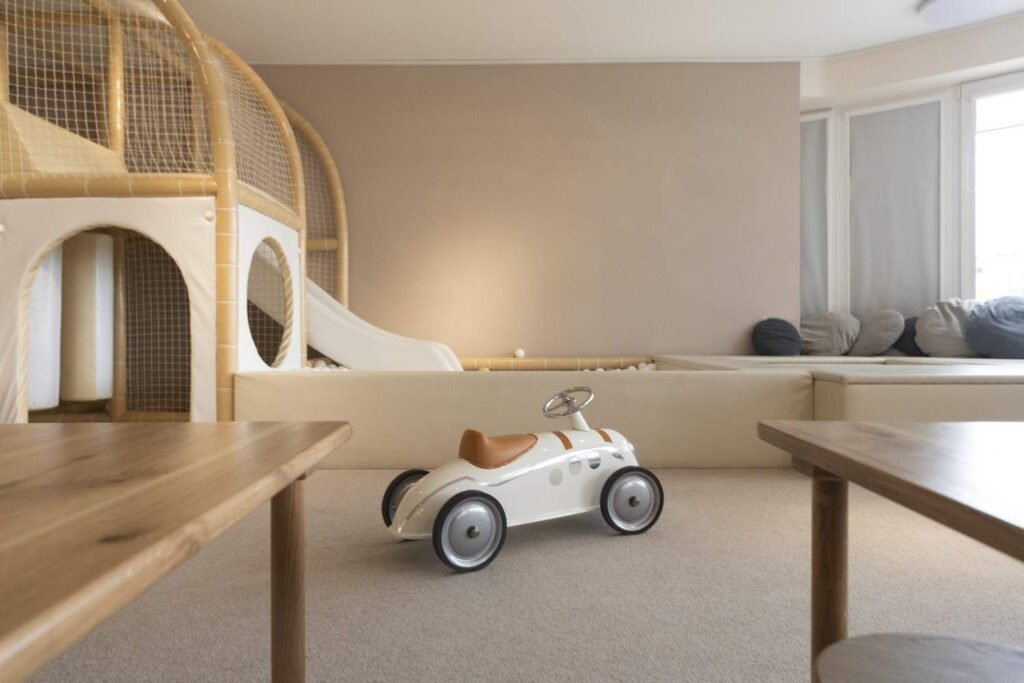
Body-conforming loungers, bean bags, and foam chairs mold around the child’s body. This helps reduce uncomfortable pressure points and creates a cozy place for reading, resting, or calming down. For daily use, I would choose removable covers and stain-resistant materials.
Inflatable Peapods for Gentle Compression
Inflatable peapods look like small canoe-shaped sensory seats. They gently squeeze the child from the sides, offering lateral compression that may help reduce anxiety and improve body awareness. These work well in calming corners but should match the child’s size and comfort level.
Tactile Exploration Furniture for Learning and Focus
Tactile furniture supports touch-based play. This helps children explore textures, improve fine motor skills, build focus, and stay engaged through hands-on learning.
Montessori Sensory Tables for Texture Play
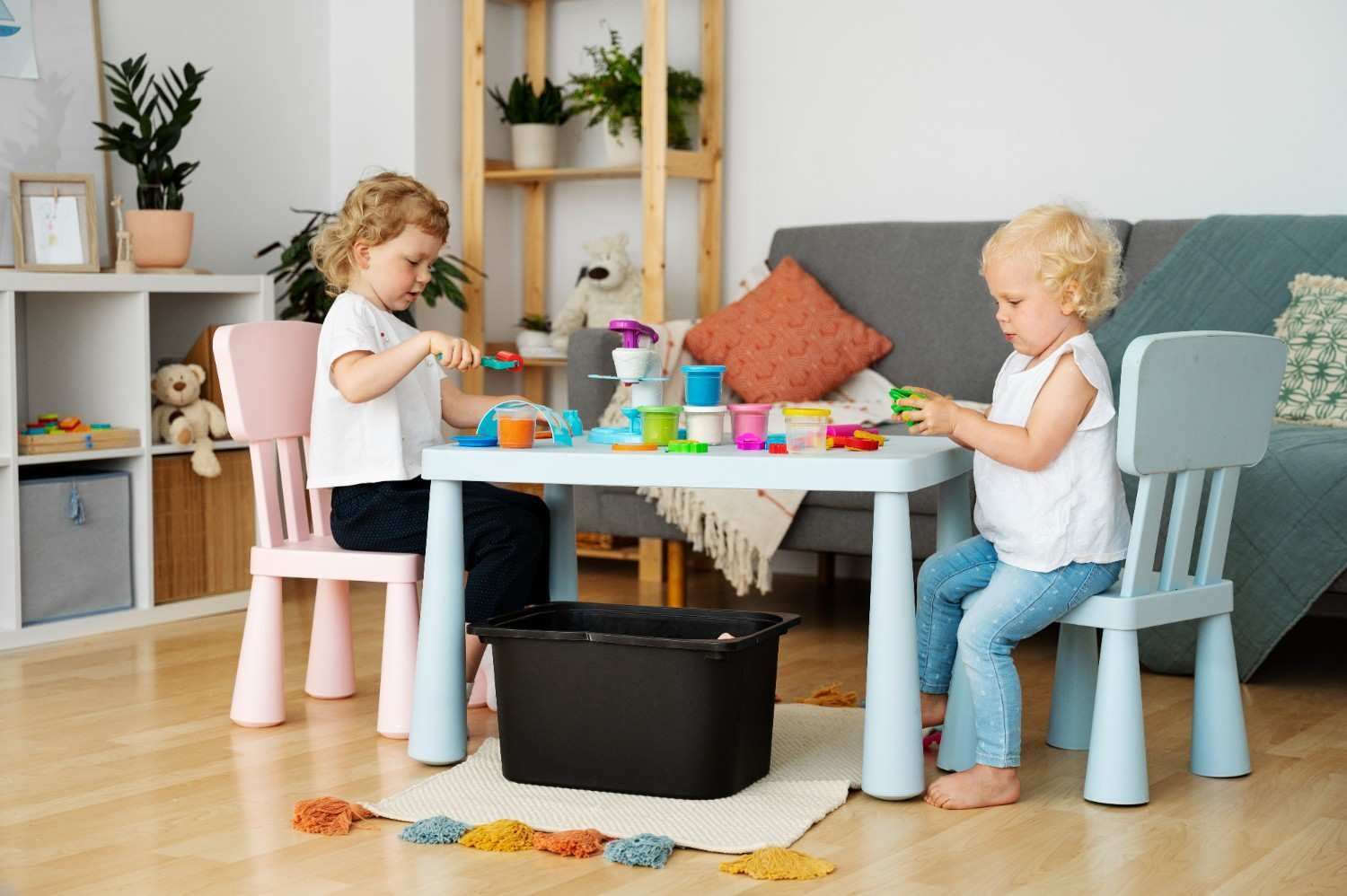
Montessori sensory tables are excellent for sand, water, rice, beans, kinetic sand, or other safe textures. Dual-bin tables are especially useful because children can compare materials, scoop, pour, sort, and explore with both hands.
A sensory table should be sturdy, easy to clean, and placed on washable flooring or a mat. For younger children, I would avoid tiny materials that may create choking risks.
Soft Rugs, Mats, and Floor Cushions
Soft rugs, foam mats, and floor cushions make the room more comfortable and safer. They also create clear zones for play, calming, and movement. In a US home, washable rugs or interlocking foam tiles are practical because spills and messes are common in kids’ spaces.
How to Choose Safe Sensory Room Furniture for Kids
Safety should come before appearance. I look for rounded corners, low-height furniture, sturdy bases, non-toxic finishes, washable fabrics, and age-appropriate weight limits. Choosing eco-friendly kids furniture with safe materials and non-toxic finishes can also make the room healthier and more suitable for daily use. Furniture should not block doors, vents, windows, or walking paths.
Calming colors also matter. Soft blue, sage, cream, gray, muted green, and warm neutrals often work better than bright red, neon orange, or busy patterns. A sensory room should feel supportive, not visually loud.
Small Sensory Room Setup Ideas for US Homes
A sensory room does not need to be large. A bedroom corner can include a soft rug, bean bag, sensory tent, small shelf, and a crash pad. A playroom can include a swing, tactile table, and storage bench. A basement can become a full movement zone with mats, foam blocks, and deep pressure seating.
The key is to avoid overcrowding. Too much furniture can make the room harder to use. I would start with one calming piece, one movement piece, and one storage solution before adding more.
Storage Furniture for a Clutter-Free Sensory Room
Storage is not just about neatness. Clutter can overstimulate children and reduce the calming effect of the room. Cube shelves, soft bins, low bookcases, storage benches, and closed cabinets help keep sensory tools organized.
I prefer keeping only a few items visible at one time. Rotating toys, textures, and furniture accessories can make the room feel fresh without becoming chaotic.
Common Mistakes Parents Should Avoid
One common mistake is buying trendy sensory furniture before understanding the child’s needs. A child who avoids spinning may not enjoy a swivel chair. A child who craves pressure may use a crash pad or peapod more often than a tent.
Another mistake is forgetting supervision. Swings, spinning chairs, climbing cushions, and crash pads are helpful, but they still require safe placement and adult guidance. The best kids furniture for sensory room designs should support independence without creating unnecessary risk.
Frequently Asked Questions (FAQs)
1. What furniture should I put in a kids sensory room?
A good sensory room can include a compression swing, crash pad, bean bag, sensory tent, wobble chair, soft rug, Montessori sensory table, storage shelves, and body-conforming lounger.
2. What is the best sensory furniture for autism?
The best sensory furniture for autism depends on the child. Many children benefit from crash pads, compression swings, inflatable peapods, soft loungers, quiet tents, and low-clutter storage furniture.
3. Can I create a sensory room in a small bedroom?
Yes. A small bedroom corner can work well with a soft rug, floor cushion, bean bag, calming tent, small storage unit, and one movement-based item like a wobble chair or compact swing.
4. How do I make sensory furniture safer?
Choose sturdy furniture with rounded edges, washable materials, proper weight limits, non-toxic finishes, and stable bases. Keep walkways open and supervise swings, spinning chairs, and crash pads.
Final Thoughts
When I choose kids’ furniture for sensory room spaces, I focus on balance. A great setup should include calming deep pressure, safe vestibular movement, tactile discovery, and simple organization. With the right furniture, a sensory room can become a peaceful, practical, and supportive space where children feel safer, calmer, and more in control at home.