Designing a child’s room is not just about choosing cute colors, fun themes, or space-saving storage. It is about creating a room where children can sleep, study, play, and explore without unnecessary risks.
That is why kids’ furniture safety tips matter for every US home. Children climb, pull, jump, lean, crawl, and test furniture in ways adults often do not expect. A dresser can become a ladder, a chair can become a step stool, and a bookshelf can become a climbing challenge.
The good news is that a safe kids room can still look beautiful and feel practical. When I choose children’s furniture, I focus on stability, soft edges, safe materials, proper height, and smart placement. These simple choices can help prevent common injuries like furniture tip-overs, falls, pinched fingers, cuts, and exposure to harsh chemicals.
Why Is Kids Furniture Safety So Important?
Children are naturally curious, and their rooms should support that curiosity safely. The main furniture risks in a child’s bedroom or playroom include tip-overs, sharp corners, unstable chairs, unsafe bunk beds, toxic finishes, and storage that encourages climbing.
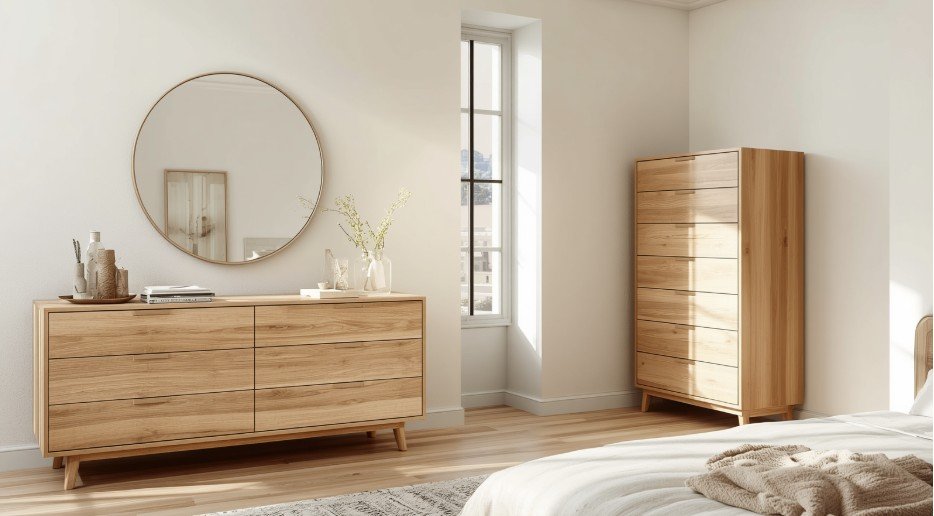
Heavy furniture is one of the biggest concerns. Dressers, wardrobes, bookcases, and TV stands can tip forward when children pull drawers, climb shelves, or reach for objects placed on top. Even strong-looking furniture can become dangerous if it is not anchored properly.
Safe furniture choices help children become more independent without placing them at risk. Low beds, sturdy tables, stable chairs, rounded corners, and child-safe storage allow kids to use their space with more confidence.
How Do You Prevent Furniture Tip-Overs?
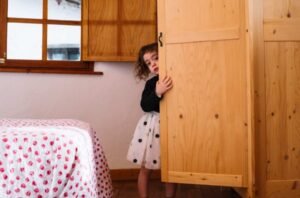
One of the most important kids’ furniture safety tips is to anchor heavy furniture to the wall. Use L-brackets, anti-tip kits, or safety straps to secure dressers, bookshelves, wardrobes, and tall storage units directly to a wall stud. Do not rely only on drywall anchors for heavy pieces.
Flat-screen TVs should also be wall-mounted or tightly secured to a stable TV stand made for the screen size. A television placed on top of a dresser or narrow table can become a serious hazard if a child pulls or bumps the furniture.
Drawer safety also matters. Install drawer stops, magnetic locks, or childproof latches so children cannot pull drawers all the way out or use them as climbing steps. To improve stability, place heavier books, toys, and supplies on the lowest shelves or bottom drawers. This keeps the center of gravity low and makes furniture less likely to fall forward.
It is also smart to remove tempting objects from the top of tall furniture. Toys, remotes, snacks, stuffed animals, and decorative items can encourage children to climb.
What Furniture Designs Are Safest for Kids?
The safest kids furniture has a wide base, sturdy legs, smooth edges, and strong construction. I avoid tall, narrow pieces unless they can be firmly anchored. I also avoid lightweight furniture that feels wobbly or poorly balanced.
Rounded corners are especially important for active children. Tables, desks, chairs, beds, shelves, and storage units should have smooth contours instead of sharp edges. This reduces the chance of cuts, bruises, and head injuries during play.
Avoid furniture with pinch points whenever possible. Folding chairs, recliners, sliding mechanisms, and heavy toy chest lids can trap little fingers. If you use toy chests, choose models with safety hinges or go with open bins, soft baskets, or cubby storage.
Furniture height should match the child’s age and size. Low-to-the-ground seating, small tables, toddler beds, and accessible shelves reduce the severity of falls and make the room easier to use safely.
Choosing safe seating and soft bedroom pieces also supports kids furniture for bedtime reading, because children need stable, comfortable furniture for calm nightly routines.
Are Bunk Beds Safe for Children?
Bunk beds can work well in shared bedrooms, but they need extra caution. Children under age 6 should not sleep on the top bunk. Older children should only use the top bunk if they can climb safely and follow basic rules.
A safe bunk bed should have secure guardrails on all sides of the top bunk, a firmly attached ladder, and a mattress that fits without gaps. The bunk should not sit near a ceiling fan, low ceiling, window, or light fixture.
Children should not jump from bunk beds or use them for rough play. A bunk bed is furniture, not playground equipment.
How Should Kids Furniture Be Placed in the Room?

Room layout plays a major role in safety. Beds, couches, desks, chairs, and low tables should stay away from windows. These pieces can become climbing platforms, especially for toddlers and younger children.
The same planning used in how to arrange living room furniture with TV can help parents place kids furniture safely, keeping walkways open and climbing risks away from windows.
I also avoid placing furniture near blind cords, heaters, vents, electrical outlets, or loose wires. Walking paths should stay open so children can move safely, especially at night.
In small bedrooms, fewer pieces often work better. A low bed, anchored dresser, sturdy study table, and safe storage system can create a cleaner and safer layout than a crowded room filled with extra furniture.
What Materials and Finishes Are Safest for Kids Furniture?
Safe materials matter because children touch furniture every day, and younger children may have mouth surfaces. Look for non-toxic, lead-free finishes, low-VOC paints, and water-based coatings. Certifications such as GREENGUARD can help parents identify furniture designed with indoor air quality in mind.
Solid wood is often a strong choice when it is smooth, splinter-free, and properly finished. Avoid cheap plastics that crack easily or lightweight pieces that tip too quickly. Smooth, non-porous surfaces are also useful because they wipe clean easily and help reduce bacteria buildup.
For beds, consider organic cotton or chemical-conscious mattresses when possible. Many parents prefer eco-friendly mattresses because they help reduce exposure to harsh chemicals and flame retardants.
How Can Storage Be Made Safer for Children?
Child-safe storage should be easy to reach without climbing. Low shelves, open cubbies, soft baskets, and lightweight bins are usually safer than high shelves or heavy drawers.
Heavy toys, books, and supplies should stay close to the floor. Lightweight items can go slightly higher, but children should not need to climb to reach everyday items.
Storage should also support cleanup. When children can safely reach their toys and put them away, the room stays less cluttered and easier to move through.
How Often Should Parents Inspect Kids’ Furniture?

Even high-quality furniture needs regular checks. Once a month, inspect screws, bolts, brackets, drawer tracks, hinges, bed frames, bunk ladders, and wall anchors. Tighten anything loose right away.
Also check for cracked wood, peeling paint, splinters, sharp edges, broken plastic, or unstable legs. Children use furniture heavily, so small problems can quickly become safety hazards.
Frequently Asked Questions
1. What is the safest furniture for a child’s room?
The safest furniture has a wide base, rounded corners, strong joints, non-toxic finishes, and an age-appropriate height.
2. Should all kids’ furniture be anchored to the wall?
Tall or heavy furniture such as dressers, bookcases, wardrobes, and TV stands should always be anchored to the wall.
3. What age is safe for the top bunk bed?
Children under age 6 should not use the top bunk because of the higher risk of falls and injury.
4. What finish is safest for children’s furniture?
Low-VOC, lead-free, water-based, and GREENGUARD-certified finishes are safer choices for children’s furniture.
Final Thoughts
A safe child’s room does not happen by accident. It comes from smart choices, careful placement, and regular maintenance. When parents anchor heavy furniture, choose rounded edges, avoid toxic finishes, secure TVs, use drawer stops, keep a kids study table and chair at the right height, and keep climbing temptations out of reach, they create a room that supports both safety and independence.
The best kids furniture safety tips are practical, simple, and easy to apply. Start with the biggest risks first, such as dressers, bookshelves, TVs, windows, bunk beds, study furniture, and storage. Then build a room that feels comfortable, organized, and safe for everyday family life.