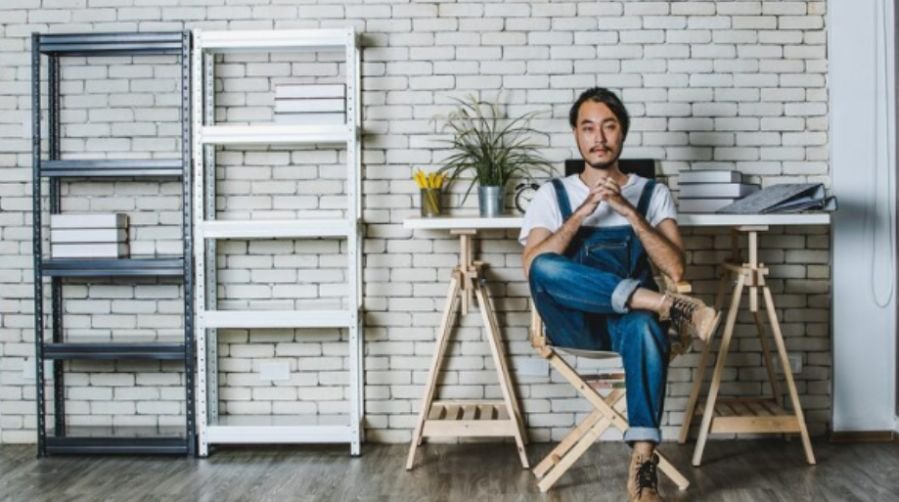
I used to think a desk and chair were enough for a productive workspace. Then the papers, notebooks, chargers, folders, printer supplies, and random office items started taking over every surface.
That is when I realized the right shelves can completely change how a workspace feels and functions. These Home Office Shelving Ideas to Maximize Storage can help turn a cluttered corner into a cleaner, smarter, and better-looking work area.
Why Shelving Matters in a Home Office
A home office should make work easier, not more stressful. When storage is poor, your desk becomes a landing spot for everything. Shelving solves that by moving items upward, opening floor space, and keeping daily essentials within reach.
Good shelves also improve the look of the room. They can display books, plants, framed prints, storage baskets, and work tools without making the office feel crowded. Whether the workspace is in a bedroom, spare room, hallway, or living room corner, shelving helps create order.
Use Floating Shelves for Small Offices
Floating shelves are one of the easiest ways to add storage without using floor space. They work well above desks, beside windows, or on narrow walls where a cabinet would feel too bulky.
Use them for books, small bins, office supplies, framed art, and light decor. For a cleaner look, keep heavier items on the lower shelves and lighter pieces above. Matching baskets or boxes can hide cables, paper clips, sticky notes, and chargers.
Add Built-In Shelves for a Polished Look
Built-in shelves give a home office a custom, high-end feel. They are ideal for people who need serious storage for books, files, binders, and office equipment.
Floor-to-ceiling built-ins make the most of vertical space and support smart floor and ceiling functions. Lower cabinets can hide messy items, while open upper shelves can hold books and decor. If the office is used for video calls, built-ins also create a strong background that looks professional.
Try Corner Shelves for Awkward Spaces

Corners are often wasted in home offices. Corner shelves can turn those unused areas into smart storage zones. They are helpful in smaller rooms where every inch matters.
Use corner shelves for reference books, a small printer, decorative boxes, or extra supplies. A tall corner shelving unit can also help balance the room visually while keeping clutter off the desk.
Use Cube Shelves for Flexible Storage
Cube shelves are practical because they work with bins, baskets, books, and display pieces. They are especially useful for shared home offices, craft workspaces, or family command centers.
Each cube can serve a different purpose. One can hold files, another can store tech accessories, and another can display decor. Fabric bins help hide clutter while keeping everything easy to access.
Install Shelves Above the Desk
The wall above the desk is prime storage space. Adding two or three shelves above your workstation keeps important items nearby without crowding the desktop.
Keep daily-use essential house items on the lowest shelf. Store less-used items higher up. This setup works well for notebooks, pens, desk organizers, small plants, calendars, and storage boxes.
Mix Open and Closed Storage
Open shelves look stylish, but they can become messy if everything is visible. That is why the best setup combines open shelving with closed storage.
Use open shelves for attractive items like books, plants, framed photos, and decorative objects. Use closed boxes, bins, and cabinets for paperwork, cables, printer paper, and supplies. This keeps the office practical while still looking clean.
Choose Adjustable Shelving

Adjustable shelves are smart because your storage needs may change over time. You may need space for a printer now, but later you may want more room for books or file boxes.
Wall-mounted adjustable systems are great for growing workspaces. They let you move shelves up or down without replacing the whole unit. This is especially useful for remote workers, students, and small business owners.
Use Vertical Shelving to Save Floor Space
When the office is small, go vertical. Tall shelving units help store more items without taking up much floor area. They are ideal for apartments, condos, and compact homes.
A narrow vertical shelf can fit beside a desk, behind a door, or next to a window. Use the lower shelves for heavier office supplies and the upper shelves for decor or seasonal items.
Add Baskets, Boxes, and Labels
Shelves work better when they are organized. Baskets, boxes, and labels prevent open shelves from looking messy.
Use labeled bins for documents, cables, notebooks, tech accessories, and stationery. Clear boxes work well when you need to see what is inside. Woven baskets add warmth and style while hiding clutter, especially if you like handmade details such as weave a willow basket storage.
Create a Printer and Supply Station
Printers, paper, ink, envelopes, and mailing supplies can quickly take over a desk. A dedicated shelf or cabinet can keep all of these items in one place.
Place the printer on a sturdy lower shelf. Store paper, ink, and mailing supplies nearby. This makes the office easier to use and keeps your main work surface clear.
Style Shelves Without Losing Function

Shelving should not look like a storage dump. A good rule is to mix practical items with decorative ones. Place books upright and stacked, add a small plant, include one framed piece, and use baskets for the less attractive items.
Leave some empty space too. Crowded shelves make a room feel smaller. A little breathing room makes the office look more intentional and relaxing.
Best Shelving Ideas for Renters
Renters can still create great storage without major changes. Freestanding bookcases, ladder shelves, cube units, rolling carts, and tension shelving systems are good options.
Removable wall hooks and lightweight floating shelves may also work depending on lease rules. Always check weight limits before placing books or office equipment on temporary shelves.
Frequently Asked Questions
1. What are the best shelves for a small home office?
Floating shelves, tall bookcases, cube shelves, and corner shelves are great for small offices because they use vertical space and keep the floor more open.
2. How do I make office shelves look less cluttered?
Use matching baskets, labeled boxes, closed containers, and a mix of books and decor. Keep only the most useful or attractive items visible.
3. Can renters use shelves in a home office?
Yes. Renters can use freestanding shelves, cube organizers, ladder shelves, rolling carts, and lightweight removable options where allowed.
4. What is the easiest way to use Home Office Shelving Ideas to Maximize Storage?
Start with the wall above your desk, add floating shelves, use bins for small items, and keep daily essentials on the lowest shelf.
Final Thoughts
When I look at a well-organized workspace, I notice how much shelving changes the entire mood of the room. A few smart shelves can clear the desk, make supplies easier to find, and give the office a more finished look.
The best Home Office Shelving Ideas to Maximize Storage are not just about adding more places to put things. They are about creating a workspace that feels calm, useful, and ready for real work.