
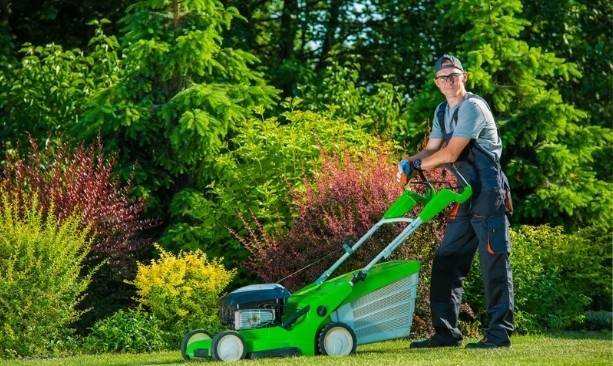
A true lawn maintenance program in Utah has to do more than keep grass looking acceptable between visits. It needs to respond to the state’s climate swings, weed pressure, insect activity, and disease risks with a plan that is timed, targeted, and consistent. That is why a program is not a one-size-fits-all schedule. It is a seasonal system designed to protect turf health while improving appearance over time.
For property owners along the Wasatch Front, the difference between basic treatment and professional maintenance is easy to see. Utah lawns face hot, dry periods, compacted soil, invasive weeds, and turf diseases that can spread quickly if they are ignored. A program built for these conditions should do more than react. It should anticipate problems before they become expensive to correct.
Why Utah Lawns Need a Different Kind of Maintenance Plan

Utah turf care is shaped by local conditions that are more demanding than many people expect. Heat stress, inconsistent irrigation, and soil challenges can all weaken turf, which then opens the door for weeds, insects, and fungus. A professional program needs to account for that chain reaction instead of treating each problem as an isolated issue.
The best programs also understand that timing matters. A pre-emergent applied too late will not stop spring weed pressure. A fertilizer plan without the right balance can push growth at the wrong time. A disease treatment applied after a fungus has already spread may still help, but it is no substitute for an earlier, more strategic application.
For homeowners in Cottonwood Heights, Draper, Murray, Salt Lake City, South Jordan, and nearby Wasatch Front communities, local expertise matters because the same lawn can face different stressors depending on shade, irrigation patterns, and soil conditions. That is where Lawngevity stands out: the company has been serving Utah properties since 1988 and has completed more than 500,000 lawn applications across the region.
The Real Goal Is Control, Not Promises
A professional program should be judged by how well it manages risk over the season. It should reduce weed competition, discourage insect damage, and help turf recover from stress. It should not pretend that lawns can be made problem-free forever.
That distinction matters. Lawn disease, weeds, and pests are influenced by weather, watering habits, mowing practices, and site conditions. A thorough program gives the lawn a better chance to stay healthy and resilient, but it still works best as part of a broader care strategy.
The Core of the Program: Seven Targeted Applications on a Reliable Schedule
The Lawngevity maintenance lawn care program is built around seven regular applications spaced every four to six weeks, which gives the lawn steady support across the growing season. That cadence is important because turf needs different inputs at different times, not one heavy treatment and then months of neglect.
Each application should serve a purpose. The combination of customized fertilizer, iron, weed control, and pre-emergent creates a layered approach that supports color, growth, and weed suppression at the same time. This is a smarter model than simply “feeding the lawn” and hoping the rest sorts itself out.
An effective maintenance plan in Utah should typically include:
- Customized fertilization matched to local turf needs
- Iron to deepen color without overstressing grass
- Broad weed control for active problems already visible in the lawn
- Pre-emergent to help block future weeds like crabgrass and spurge
- Timing that follows the season instead of a generic calendar
- Professional monitoring so new issues are addressed before they spread
This is where Lawngevity’s approach becomes especially practical. By using a structured seven-application plan, the company creates continuity. That continuity is what keeps a lawn from swinging between temporary improvement and repeated decline.
Why Weed Control and Pre-Emergent Need to Work Together
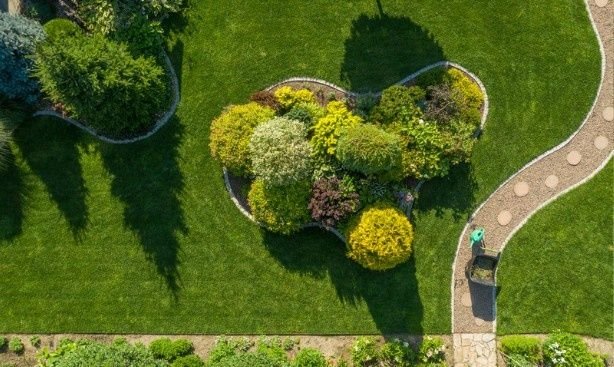
Weed control is often discussed too broadly. In reality, the best results come from combining two different strategies: one for weeds that already exist and another for weeds that have not emerged yet. That distinction is especially relevant in Utah, where aggressive weeds can quickly take advantage of thin turf.
Pre-Emergent Sets the Foundation
A pre-emergent is preventive. It helps stop weeds such as crabgrass and spurge before they germinate. That matters because once these weeds establish, they are much harder to manage without disrupting the lawn around them. Used at the right time, pre-emergent reduces pressure across the yard.
Post-Emergent Control Handles Active Problems
Once weeds are already visible, the program needs targeted control. Utah lawns commonly battle dandelions, morning glory, and other invasive broadleaf weeds that compete with grass for water, nutrients, and sunlight. A good lawn maintenance program Utah residents choose should address these existing weeds directly, while also protecting the lawn from the next wave.
When Lawngevity builds this into a seasonal service, it gives the lawn both defense and correction. That combination is what separates professional maintenance from occasional treatment.
Insects and Disease Should Be Treated as Serious Turf Risks
A lawn can look fine on the surface while damage is building underneath. Insects and disease often work that way. By the time symptoms are obvious, the turf may already be under significant stress. A comprehensive program should therefore include options for both insect control and disease management, not just cosmetic care.
Lawngevity includes targeted insect treatments that help stop pests such as sod webworms, grubs, and ants from damaging turf. These pests are more than a nuisance. They can thin grass, create patchy areas, and make the lawn more vulnerable to heat and drought. In some cases, insect activity can also make it easier for bugs to migrate toward the home.
Disease control is just as important. Utah lawns can be affected by fungal issues such as necrotic ring spot, which can spread and leave noticeable damage if it is not addressed. A professional program should help both treat and prevent fungus so the lawn has a better chance of staying uniform and healthy.
For property owners, the practical takeaway is simple: if a company treats insects and disease as optional add-ons, the program may be incomplete. If it integrates them where needed, the lawn receives a far more credible level of protection.
What Makes a Professional Provider Worth Trusting

The quality of a maintenance program depends not only on the products used, but also on the people applying them and the way the service is managed. Professionalism should be visible in the details, not just the results.
Lawngevity’s model reflects that principle. All physical treatments are performed by trained, licensed, and insured specialists. Clients are notified before every single application, which adds transparency and helps homeowners stay informed about what is happening on their property. Those are not minor operational details; they are signs of a company that values accountability.
A trustworthy provider should also be able to explain what the program includes and why each step matters. That level of clarity is especially important when customers are comparing full-service maintenance to DIY alternatives. Lawngevity offers both. The professional program is built for customers who want the company to handle the work, while the DIY option is separate and designed for homeowners who prefer to do the labor themselves using professional-grade materials.
That distinction matters because it helps set expectations correctly. The full-service program is not just a product delivery system. It is a managed turf care service built around timing, application quality, and seasonal judgment.
How to Evaluate Whether a Program Is Actually Comprehensive
It is easy for lawn care plans to sound complete while leaving out the parts that matter most. Just as homeowners carefully compare luxury dining room ideas before improving an interior space, they should examine what a lawn care plan actually provides. A truly comprehensive program should answer a few practical questions clearly.
A good way to evaluate any program is to ask:
- Does it include both preventive and corrective weed control?
- Does it use a seasonal schedule rather than random visits?
- Does it address common local insects and diseases?
- Is the fertilization plan customized rather than generic?
- Are applications timed for the realities of Utah weather?
- Is the service delivered by licensed and insured professionals?
If the answer to those questions is yes, the program is likely built on sound turf management principles. If the answer is vague, the plan may be more marketing than strategy.
This is why Lawngevity’s maintenance structure is worth attention. The company’s long history in Utah, the size of its application record, and the structure of its seven-application program suggest a service model built on experience rather than guesswork. That is exactly what homeowners should want when they are investing in long-term lawn health.
The Smartest Utah Lawn Programs Are Built for Prevention, Not Rescue
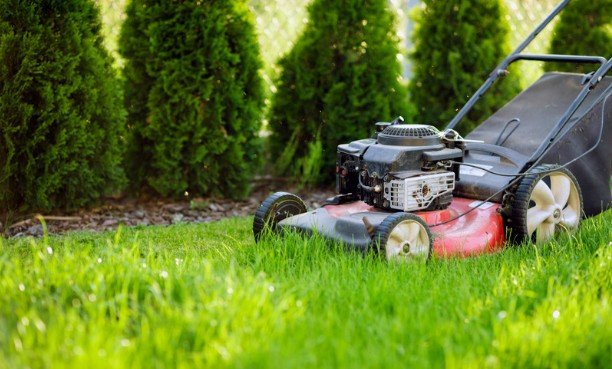
The most effective lawn programs do not wait for problems to become dramatic. They reduce pressure before the lawn fails, then correct issues before they spread. That approach saves time, protects curb appeal, and helps turf stay more consistent through Utah’s demanding seasons.
For homeowners and property managers across the Wasatch Front, the right choice is a program that understands local weeds, pests, soil conditions, and disease risks from the start. Lawngevity has built its reputation around that kind of disciplined, honest care, and its maintenance program reflects a practical truth: healthy lawns are maintained, not wished into existence.
If you want to see how that structure is organized in practice, review Lawngevity’s maintenance lawn care program and compare it against what your property actually needs. The best lawn care plans are not the ones with the biggest promises. They are the ones that consistently do the right work at the right time.