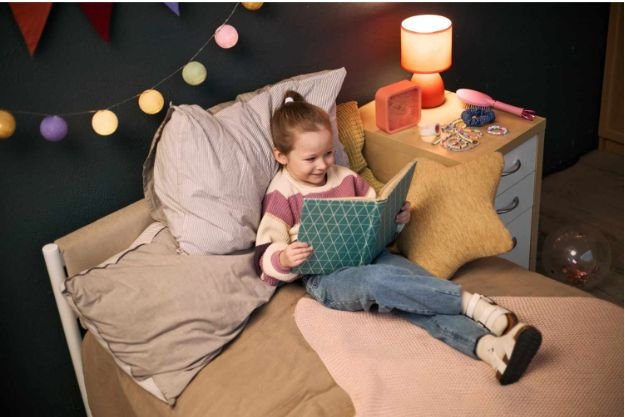
Choosing the right kids’ furniture for bedtime reading can turn a regular bedroom into a calm, cozy place where children naturally slow down at night. I believe bedtime reading works best when the space feels comfortable, safe, and easy for kids to use without needing constant help from parents.
For many families in the US, evenings can feel rushed with homework, dinner, baths, and school prep for the next morning. A well-planned bedtime reading area helps children move from busy daytime energy into a more peaceful sleep routine. The right chair, bookshelf, lighting, and storage can make reading feel like a comforting habit instead of another task.
Why Does Bedtime Reading Furniture Matter?
Children can read anywhere, but the right setup makes a big difference. A dining chair may feel too stiff, a bed may encourage poor posture, and a cluttered room may distract your child. A dedicated kids bedroom reading nook creates a clear signal that it is time to relax.
Good bedtime reading furniture supports comfort, independence, routine, and children’s mental health. When children can reach their books, sit safely, and enjoy soft lighting, they are more likely to read without screens before bed. This helps create a calmer evening rhythm for both kids and parents.
What Is the Best Kids Furniture for Bedtime Reading?

The best kids furniture for bedtime reading usually includes comfortable seating, simple book storage, soft lighting, and safe placement near the bed. I prefer furniture that looks inviting but still supports everyday use.
A child-sized reading chair is a great starting point. Look for a supportive back, soft cushioning, and a low seat height. Younger children may enjoy foam chairs, small upholstered chairs, or convertible flip-out mini-sofas, while older kids may prefer a compact lounge chair or cushioned accent chair.
Many of the same principles used in how to choose a sofa for a living room—such as prioritizing comfort, durability, quality materials, and the right size for the space—also apply when selecting seating that encourages children to read and relax.
Plush floor seating is another smart choice, especially for toddlers and younger children. Oversized floor pillows, bean bags, and foam loungers sit low to the ground, which helps reduce fall risks. They also give kids room to stretch out with larger picture books.
How Do All-in-One Bookcase Nooks Help Kids Read at Night?
All-in-one bookcase nooks are one of the most practical options for a bedtime reading space. These units often include a built-in upholstered bench surrounded by storage cubbies. I like this setup because it gives children a structured place to sit while keeping books within arm’s reach.
This type of furniture works especially well in kids’ bedrooms where parents want both seating and storage. The bench creates a dedicated reading spot, while the cubbies hold books, blankets, stuffed animals, and bedtime essentials. For safety, taller units should always be secured with anti-tip hardware.
Are Front-Facing Book Ledges Better for Young Readers?
Front-facing book ledges are excellent for pre-readers, toddlers, and early readers because they display book covers instead of spines. Since young children often choose books by pictures, this setup makes nightly story selection easier and more independent.
Wall-mounted floating shelves can also save floor space in smaller bedrooms. I recommend placing them at a child-friendly height so kids can choose books safely without climbing. A front-facing book display also keeps favorite bedtime stories visible, which can encourage children to read more often.
Why Bedside Storage Caddies Make Bedtime Easier

A bedside storage caddy is a simple but useful addition to a children’s reading corner. Hanging canvas pockets or slim wooden caddies can attach to the bed frame, bunk bed, or guardrail. This keeps the selected “books of the night” close to the mattress.
I find this helpful because children do not need to get out of bed after reading. Once story time ends, they can tuck the book into the caddy and settle down. This small detail supports a smoother transition from reading time to sleep time.
How Should You Place Reading Furniture Near the Bed?
Proximity to the bed matters. The reading zone should be close enough that your child can move from story time to sleep without becoming too alert again. If the chair or reading nook is across the room, some kids may start playing or become distracted.
A bedside reading corner, a chair beside the bed, or a floor cushion near a low bookshelf can work well. The goal is to make the shift from reading to sleeping feel seamless and calm.
What Lighting Works Best for Bedtime Reading?
Lighting should be soft, warm, and clear enough for reading. Harsh overhead bedroom lights can feel too bright before sleep. I prefer a dimmable warm-toned clip-on reading light, a stable bedside lamp, or a wall-mounted sconce.
Place the light near the book without creating glare. Keep cords away from walkways, and choose stable lamps that children cannot knock over easily. Warm lighting helps the room feel peaceful while still protecting your child from eye strain.
What Safety Features Should Parents Look For?
Safety should always come before appearance. Choose rounded furniture corners, sturdy bases, washable fabric covers, and smooth finishes. If you use taller shelves or bookcase nooks, secure them to the wall with anti-tip hardware.
For younger kids, low-to-the-ground seating is often safer than tall chairs. Washable covers also help with accidental spills, snack crumbs, and everyday mess. Avoid placing climbable furniture under windows, and keep the reading area away from heaters, vents, loose cords, and heavy wall décor.
How Can Small Bedrooms Still Have a Reading Nook?
A small bedroom can still have a beautiful reading space. You do not need a large room or expensive furniture. A floor cushion, narrow book ledge, bedside caddy, and warm lamp can create a cozy reading corner without taking up much space.
Storage ottomans can hold books while doubling as seating. Wall shelves can replace bulky bookcases. A foam flip-out mini-sofa can work as both a reading seat and a lounge spot. The best setup is the one that fits your child’s room and routine.
Frequently Asked Questions (FAQs)
1. What furniture is best for a kids bedtime reading nook?
A child-sized chair, low bookshelf, front-facing book ledge, floor cushion, bedside caddy, and warm reading lamp work best.
2. Are bean bags good for kids’ bedtime reading?
Yes, bean bags can work well if they provide enough support and allow children to sit comfortably without too much slouching.
3. How do I create a reading corner in a small kids bedroom?
Use wall-mounted book ledges, a floor cushion, a bedside storage caddy, and a compact lamp to save space.
4. What type of lighting is best for bedtime reading?
A warm-toned dimmable lamp, wall sconce, or clip-on reading light is best because it supports reading without feeling too bright.
Final Thoughts
The right kids’ furniture for bedtime reading can make evenings calmer, more organized, and more enjoyable. A child-sized chair, plush floor cushion, all-in-one bookcase nook, front-facing book ledge, bedside caddy, and warm reading light can all support better nighttime habits.
I believe the best bedtime reading space is not the most expensive one. It is the one your child wants to use every night. When books stay close, lighting feels soft, and furniture supports comfort and safety, bedtime reading becomes a routine children look forward to.