Knowing how to choose a sofa for living room comfort starts before you fall in love with color, curves, or cushions. I have seen beautiful sofas ruin a room because they blocked walkways, swallowed the layout, or failed to fit through the front door.
A sofa is not just seating. It controls conversation, traffic flow, TV viewing, lounging, and the whole mood of the room. That is why I always start with space, then move to shape, fabric, build quality, and style.
Start With The Room, Not The Sofa
The biggest sofa mistake is buying with your eyes first. I measure before I browse because size decides everything.
Measure the length, width, and height of your living room. Then measure doorways, hallways, staircases, elevators, and tight corners. A sofa that fits the room but not the entry path is still the wrong sofa.
For daily comfort, leave about 18 inches between the sofa and coffee table. Keep main walkways around 30 to 36 inches wide where possible. Designers often recommend these clearances because they protect movement and make seating feel natural.
My Tape-Test Method
Before choosing a sofa, I mark the sofa footprint on the floor with painter’s tape. Then I walk around it for a full day.
If I bump into the tape, the sofa is too deep or too wide. If the seating area feels empty, I may need a longer sofa, accent chairs, or a sectional. This simple test works better than guessing from product photos.
This is my favorite original rule: if the taped sofa shape annoys you for one day, the real sofa will annoy you for years.
Choose A Sofa Shape That Matches Real Life
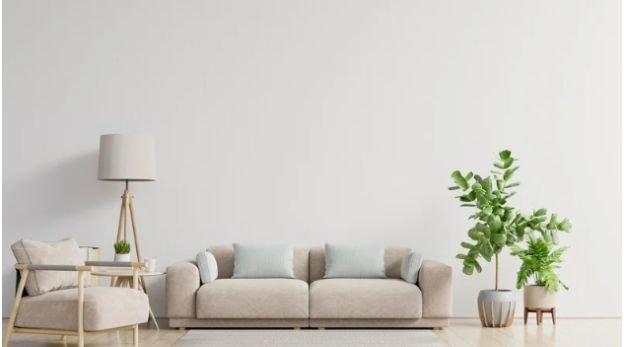
When people ask me how to choose a sofa for living room layouts, I ask how they actually use the room. Formal guests, movie nights, kids, pets, naps, and remote work all need different seating.
Standard, Sectional, Chesterfield, Track Arm, Or Sofa Bed
A standard 3-seater works well in apartments, narrow rooms, and traditional layouts. It gives structure without taking over the floor.
A sectional or L-shaped sofa suits open-plan homes, large families, and people who lounge often. It creates a strong zone, but it can feel bulky in small rooms.
A Chesterfield adds button tufting, rolled arms, and a formal look. I like it in classic spaces, libraries, and rooms with vintage character.
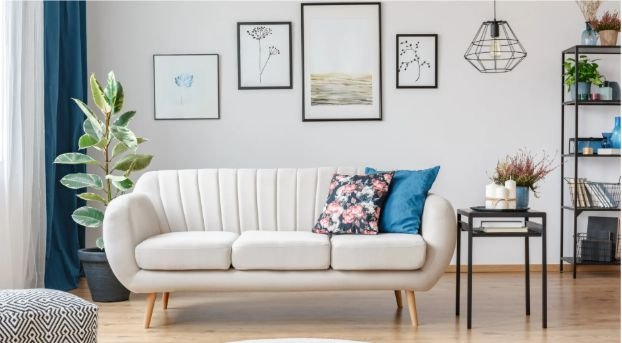
A Lawson or track-arm sofa feels cleaner and more modern. Square arms save visual space and work well with simple decor.
A sofa bed or futon makes sense when the living room doubles as a guest room. Just check the mattress mechanism before buying, as some look good but feel uncomfortable for overnight use.
When exploring living room furniture layout ideas, consider how the sofa bed will fit within the space, leaving enough room to open it easily while maintaining a comfortable flow for everyday seating and movement.
Pick Fabric Based On Your Household
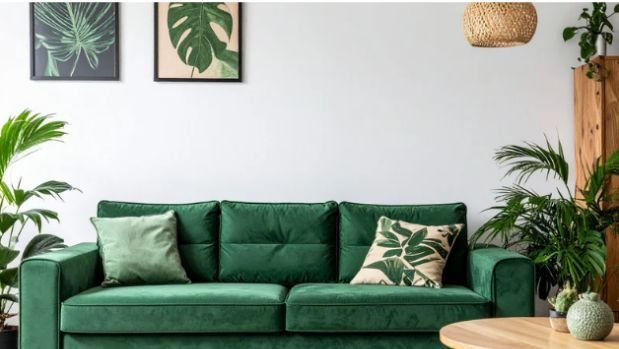
Fabric choice should match your lifestyle, not just your Pinterest board.
Performance fabric is my first choice for homes with kids, pets, snacks, and real life. It resists stains better and usually cleans faster.
Leather is durable, easy to wipe, and ages well. It can scratch, but many scratches blend into the patina over time.
Velvet looks rich and dramatic. It gives color amazing depth, but it needs brushing and more care.
Linen and cotton blends feel casual and breathable. They look relaxed, but they wrinkle and stain more easily.
For healthier indoor air, I also check what the sofa frame and panels are made from. The EPA notes that pressed wood products used in furniture can be sources of formaldehyde when made with certain adhesives.
Check The Frame, Cushions, And Springs
A sofa can look expensive and still be cheaply built. I always check the structure.
Look for kiln-dried hardwood frames, such as oak, maple, or birch. These resist warping better than softwood or particleboard.
Strong joinery matters too. Dowels, screws, corner blocks, and reinforced joints are better than glue alone.
For cushions, high-density foam gives support. A down or fiber wrap adds softness. Very soft cushions may feel dreamy in the store but flatten quickly at home.
For seating support, eight-way hand-tied springs are premium. Sinuous S-shaped springs can also last well when made with quality steel.
In the US, upholstered furniture is also subject to federal flammability rules under 16 CFR Part 1640, which focuses on smolder resistance for upholstered furniture materials.
Match Style Without Making The Room Feel Staged
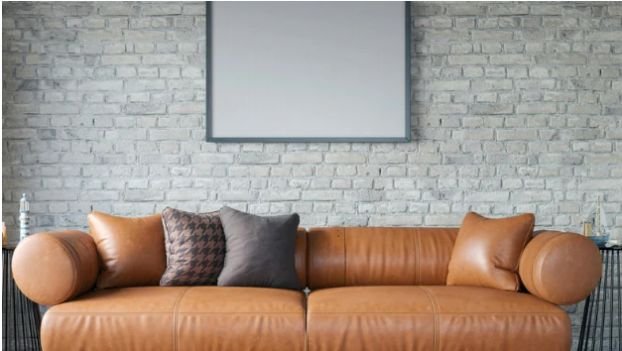
The best sofa should look like it belongs, not like it wandered in from a showroom.
If your room has soft curves, a rounded sofa can echo that shape. If your space has clean lines, a track-arm sofa usually fits better.
Color depends on risk tolerance. Neutral sofas are flexible and easy to restyle. Bold sofas create personality but demand more commitment.
I usually choose a calmer sofa and add drama through pillows, rugs, lamps, or artwork. It is cheaper to replace accessories than a full sofa.
Sofa Buying Mistakes I Would Avoid
Do not buy a sofa without sitting on it. Sit upright, lounge sideways, and test the arm height.
Do not ignore seat depth. Shallow seats suit formal sitting. Deep seats suit lounging and taller users.
Do not choose white linen if your living room hosts pets, kids, or constant snacks.
Do not buy only for trends. Bouclé, curved silhouettes, and low-profile sofas can look beautiful, but comfort should win.
Do not forget delivery access. Measure twice, buy once, and save yourself a doorway disaster.
FAQs
1. What size sofa is best for a small living room?
A compact 2-seater or slim 3-seater works best, especially with raised legs and narrow arms.
2. How to choose a sofa for living room with pets?
Choose performance fabric or leather, removable cushion covers, tight weaves, and medium colors.
3. Should a sofa be lighter or darker than the walls?
Either works, but contrast helps the sofa stand out and keeps the room from looking flat.
4. How long should a good sofa last?
A well-built sofa with a hardwood frame and quality support can often last 7 to 15 years.
The Sofa Should Earn Its Spot
A sofa should not just look pretty. It should fit the room, survive your lifestyle, support your body, and still make you happy after the trend fades.
My final tip is simple: tape the footprint, test the seat, check the frame, and choose fabric like someone will spill coffee on it. That is how to choose a sofa for living room style without letting regret sit beside you.