I used to think a desk, chair, and laptop were enough to create a productive workspace. Then I noticed how quickly my eyes felt tired, how dull the room looked by afternoon, and how hard it became to stay focused.
That is when I realized lighting is not just decoration. It shapes energy, comfort, mood, and attention. The right Home Office Lighting Ideas for Better Focus can turn a boring work corner into a bright, balanced, and productive space.
Why Home Office Lighting Matters
Poor lighting can make work feel harder than it needs to be. A dim room can cause sleepiness, while harsh overhead light can create glare and eye strain. Good lighting helps the brain stay alert, makes reading easier, and keeps the workspace more comfortable for long hours.
A better lighting setup also supports posture. When the room is too dark, people often lean closer to the screen or papers. When the light is too bright, they may squint or shift awkwardly to avoid glare. Balanced lighting helps the body stay relaxed while the mind stays active.
Start With Natural Light
Natural light is one of the best ways to improve a home office. A desk near a window can make the room feel open and fresh. Morning daylight can help boost alertness and make the start of the workday feel smoother.
The key is placement. Avoid keeping the screen directly in front of a bright window because it can create contrast and make the screen harder to see. Also avoid placing the window directly behind the monitor, as this can cause backlighting. A side-facing desk position usually works best. Light curtains, blinds, or shades can soften strong sunlight without making the room dark.
Use Layered Lighting
One ceiling light is rarely enough for a productive workspace. A strong home office setup usually needs three layers: ambient lighting, task lighting, and accent lighting.
Ambient lighting fills the whole room. This can come from ceiling lights, recessed lights, or a soft floor lamp. Task lighting focuses on your work area. A desk lamp, monitor light bar, or adjustable reading lamp can help with writing, reading, and detailed work. Accent lighting adds comfort and style. Wall lights, shelf lights, or LED strips can make the office feel less flat and more inviting.
Layered lighting gives more control. You can brighten the room during deep work and soften it later for planning, calls, or light tasks.
Choose the Right Color Temperature
Color temperature plays a big role in focus. Cool white light, usually around 4000K to 5000K, feels crisp and closer to daylight. It works well for reading, writing, studying, and computer work.
Warm white light, around 2700K to 3000K, feels softer and calmer. It is better for evening work, creative planning, or a relaxed office corner. If possible, use adjustable bulbs or smart bulbs. This lets you use brighter cool light during the day and warmer light at night.
For better focus, avoid extremely blue or extremely yellow lighting. The goal is a balanced tone that keeps the room bright without feeling harsh.
Best Desk Lighting Ideas
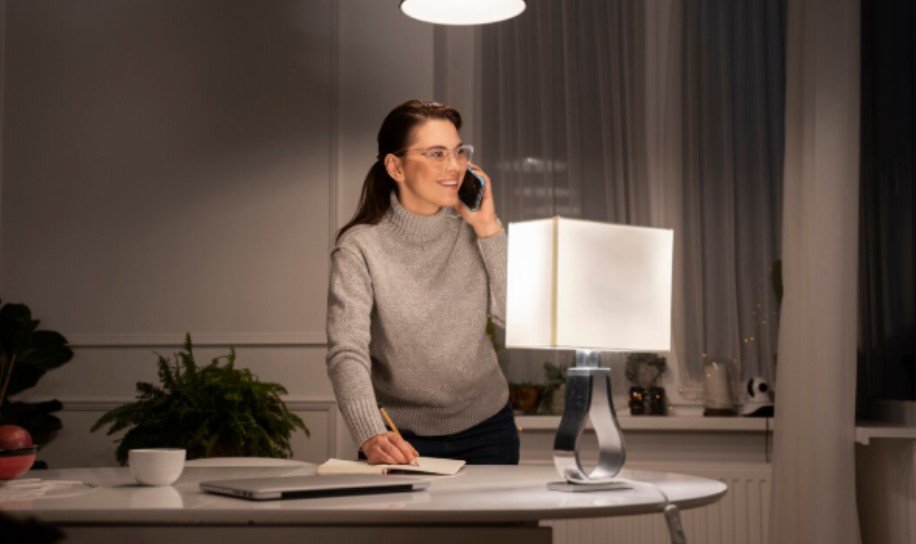
A good desk lamp should be adjustable. It should let you move the head, arm, or angle so the light lands where you need it. Place the lamp on the opposite side of your writing hand to reduce shadows. If you write with your right hand, keep the lamp on the left side. If you write with your left hand, place it on the right.
A monitor light bar is another smart option. It sits above the screen and lights the desk area without shining directly into your eyes. This works well for small desks where a regular lamp takes up too much space.
For long work hours, choose a lamp with dimming options. Bright light is helpful in the morning, but a lower setting may feel better later in the day.
Small Home Office Lighting Ideas
Small offices need smart lighting choices. A slim desk lamp, wall-mounted lamp, or clip-on light can save space. Floor lamps are useful when there is no room on the desk. LED strip light under shelves can brighten dark corners without clutter.
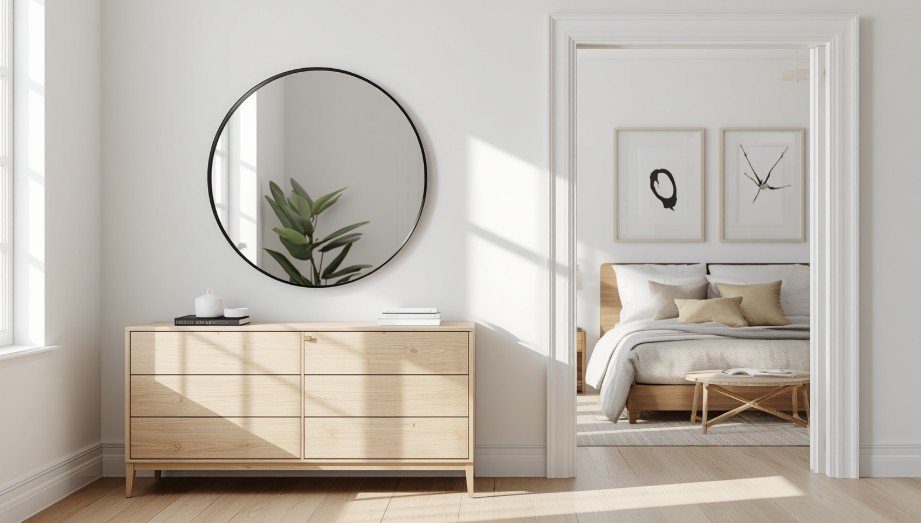
Mirrors can also help. Placing a mirror where it reflects natural or soft artificial light can make a small office feel larger and brighter. Light-colored walls, simple curtains, and clean desk surfaces also help the room reflect more brightness.
These Home Office Lighting Ideas for Better Focus work especially well in bedrooms, apartments, shared rooms, and compact work corners.
Avoid Common Lighting Mistakes

One common mistake is relying only on overhead lighting. This can create shadows on the desk and make the room feel uncomfortable. Another mistake is using bulbs that are too dim for focused work. A workspace should feel bright enough to read without straining.
Glare is another major problem. If light reflects off the monitor, glossy desk, or wall art, it can distract the eyes and create halos and glare. Move lamps, adjust screen angles, or use softer bulbs to fix this.
Backlighting during video calls is also a mistake. If a bright window is behind you, your face may look dark. Place a soft light in front of you or slightly to the side for clearer calls.
Lighting for Video Calls
Good video call lighting does not need to be complicated. A soft lamp in front of the face works better than a strong light from behind. A ring light, desk lamp, or shaded floor lamp can help create an even look.
Keep the light slightly above eye level if possible. This looks more natural and avoids harsh shadows. Avoid mixing too many colors of light in one frame, such as yellow light from one side and blue light from another. A clean, balanced setup looks more professional.
Frequently Asked Questions
1. What are the best Home Office Lighting Ideas for Better Focus?
The best ideas include using natural light, adding a desk lamp, choosing 4000K to 5000K bulbs, reducing glare, and layering ambient and task lighting.
2. Is warm or cool light better for work?
Cool white light is usually better for focus because it feels brighter and more energizing. Warm light is better for relaxed or evening work.
3. Where should I place my desk lamp?
Place it on the opposite side of your writing hand and angle it toward your work area. This helps reduce shadows and glare.
4. How can I reduce screen glare in my home office?
Move the screen away from direct sunlight, use curtains or blinds, adjust lamp angles, and avoid placing bright lights behind or directly in front of the monitor.
Final Thoughts
I have learned that a focused workspace is not only about discipline. The room itself can either support attention or quietly drain it. Better lighting makes work feel cleaner, calmer, and easier to manage.
With natural light, layered lighting, the right bulb temperature, and smart desk placement, Home Office Lighting Ideas for Better Focus can help create a workspace that feels brighter, sharper, and more productive every day.