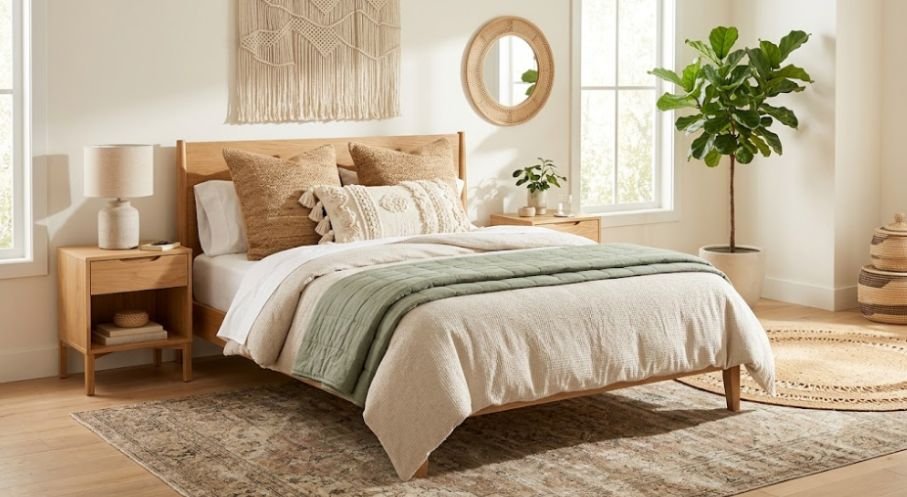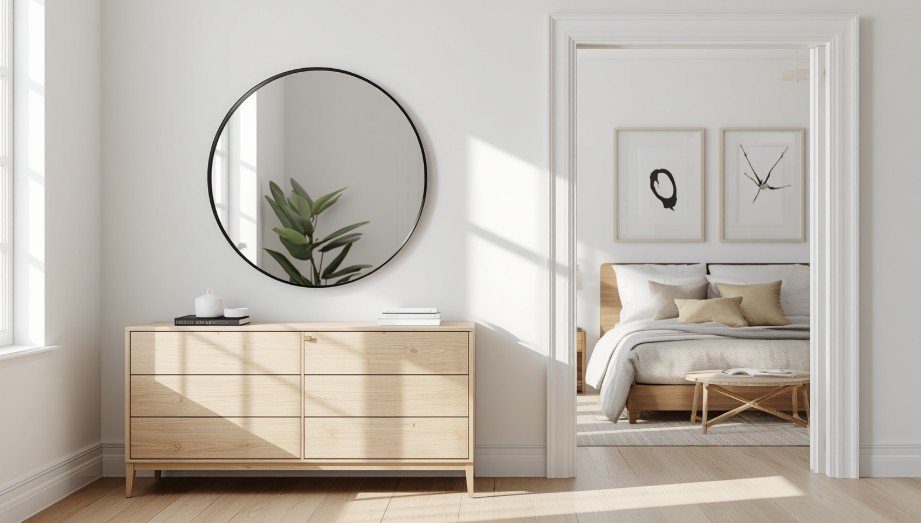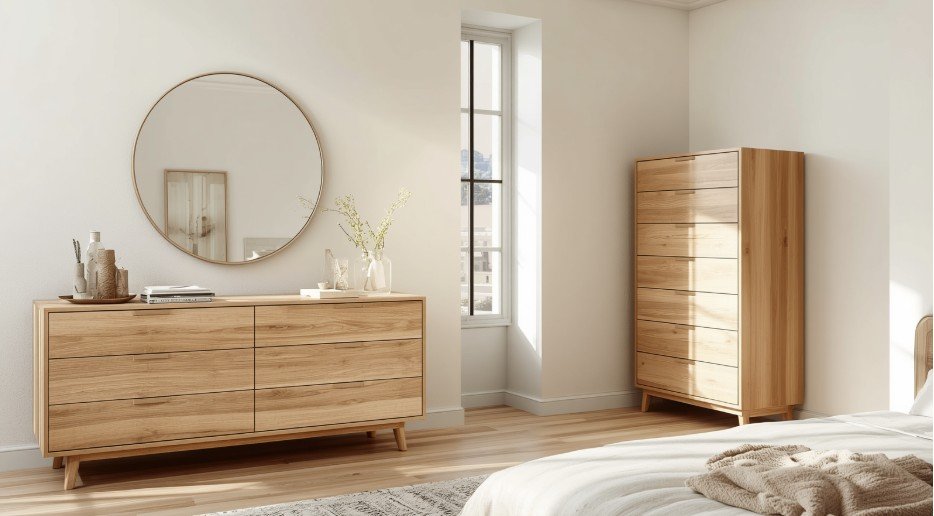
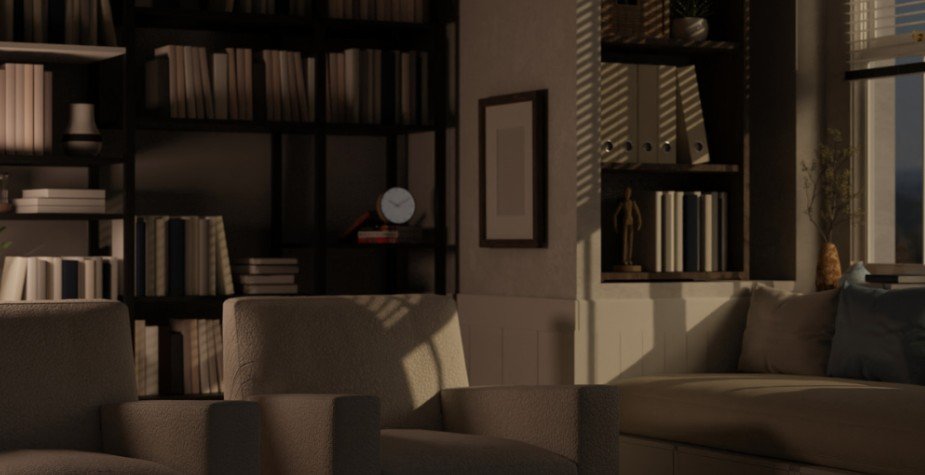
I discovered how to make living room furniture look expensive long before I ever bought premium furniture. After rearranging a few pieces, replacing inexpensive hardware, improving lighting, and removing clutter, my living room felt like it belonged in a design magazine.
The biggest surprise? I spent far less than replacing an entire furniture set. Luxury rarely comes from price alone. Instead, it comes from thoughtful styling, balance, and attention to detail.
If your living room feels ordinary, small changes can dramatically improve how every piece of furniture is perceived.
Why Some Living Rooms Look Expensive Even on a Budget
Many homeowners assume expensive furniture creates luxurious interiors. In reality, interior designers often begin with proportion, lighting, texture, and visual consistency before selecting furniture.
The Psychology of Luxury Interior Design
Our brains associate luxury with simplicity, order, and consistency. Research from the National Institute of Mental Health shows that clutter increases cognitive overload, making spaces feel more stressful. A clean, intentional room immediately feels more refined.
I have found that reducing visual noise often improves a room more than purchasing another decorative accessory.
Start With Better Furniture Placement

Furniture placement changes how valuable every piece appears.
Float Furniture Instead of Pushing Everything Against Walls
One mistake I see repeatedly is placing every chair and sofa against the wall. Professional designers often leave breathing room behind larger furniture pieces. Floating furniture creates conversation zones and makes a room appear intentionally designed.
Even moving a sofa forward by twelve inches can transform the entire layout.
If you are updating your entertainment area, these oak tv stand ideas for living room can complement a more luxurious furniture arrangement naturally.
Create Visual Balance With Symmetry
Luxury interiors rarely feel random.
Matching lamps, evenly spaced chairs, balanced shelves, and centered artwork create visual harmony. Symmetry naturally makes affordable furniture appear custom designed.
Upgrade What People Notice First
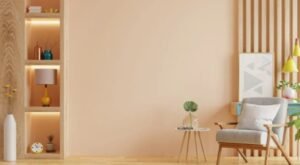
Small improvements often produce the biggest visual impact.
Replace Hardware and Legs
Cabinets, TV consoles, and sideboards instantly improve with brushed brass, matte black, or satin nickel handles.
Furniture legs are another overlooked upgrade. Swapping bulky plastic legs for tapered wooden or metal alternatives immediately modernizes older pieces.
Invest in Better Lighting
Poor lighting hides beautiful furniture.
Instead of relying on one ceiling fixture, I layer three light sources:
- Floor lamps
- Table lamps
- Warm LED accent lighting
Warm lighting between 2700K and 3000K produces softer shadows that make wood grain, upholstery, and decorative finishes appear richer.
Choose Larger Decorative Pieces
One oversized vase creates more impact than five small decorative items.
Large artwork, tall indoor plants, sculptural ceramics, and statement mirrors create visual confidence that people naturally associate with luxury homes.
Layer Textures Like Interior Designers

Expensive rooms rarely rely on one material.
Mix Soft and Hard Materials
Combining wood, linen, velvet, glass, marble, woven baskets, leather, and brushed metals creates depth that photographs beautifully and feels professionally styled.
Instead of matching everything perfectly, I prefer thoughtful contrast.
Use Premium Fabrics
Changing inexpensive cushions transformed my sofa more than replacing it.
High-quality linen pillow covers, velvet cushions, textured throws, and woven rugs make furniture feel significantly more expensive while remaining affordable.
Choose Accessories That Look Custom
Accessories should complement furniture rather than compete with it.
Oversized Art
One large artwork above the sofa almost always looks better than several small frames scattered across the wall.
Large pieces establish a focal point while making ceilings appear taller.
Coffee Table Styling
I follow a simple designer formula:
A tray, stacked books, fresh greenery, and one sculptural object.
Leaving empty space around these items prevents visual clutter.
Statement Mirrors
Mirrors multiply natural light and visually expand smaller living rooms.
A large framed mirror opposite a window often produces the biggest return for the smallest investment.
Reduce Clutter to Increase Perceived Value
Luxury is often defined by what is absent.
Hide Everyday Items
Remote controls, chargers, paperwork, toys, and cables quickly reduce the perceived value of furniture.
Storage baskets, hidden charging stations, ottomans, and closed cabinets keep surfaces clean without sacrificing convenience.
Keep Surfaces Intentional
Every visible object should appear to belong there.
When styling shelves, I usually remove about one-third of the decorations before finishing. The remaining pieces immediately stand out more.
The Luxury Score Test (Original Framework)
This is the method I now use before buying anything new.
Give your living room one point for each item below:
- Consistent color palette
- Layered lighting
- Mixed textures
- Oversized artwork
- Hidden clutter
- Natural materials
- Symmetrical arrangement
- Premium-looking textiles
- Statement greenery
- Quality hardware
A room scoring eight or higher almost always feels significantly more luxurious without requiring expensive furniture replacements.
This simple checklist has consistently produced better results than buying another decorative accessory.
Common Mistakes That Make Furniture Look Cheap
Buying matching furniture sets often creates a showroom appearance instead of a curated home.
Tiny rugs make furniture appear oversized.
Short curtains visually lower ceilings.
Too many decorative accessories create clutter.
Cold white lighting removes warmth from wood and upholstery.
Ignoring furniture maintenance also affects perception. Regular cleaning, polishing, tightening loose hardware, and vacuuming upholstery preserve the appearance of every piece.
My Final Styling Secret: Luxury Is About Editing, Not Spending
The biggest lesson I have learned is that luxury comes from restraint. Every item should have a purpose. Every texture should add warmth. Every light source should enhance the room rather than overwhelm it.
Learning how to make living room furniture look expensive is less about buying designer brands and more about understanding how designers create visual balance. Rearrange first, declutter second, improve lighting third, and upgrade accessories last. Those four steps consistently deliver the greatest transformation for the smallest investment.
FAQs
1. How can I make cheap living room furniture look expensive?
Improve lighting, replace hardware, use premium textiles, declutter surfaces, and style with oversized décor.
2. What colors make furniture look more luxurious?
Warm neutrals, charcoal, cream, olive green, black, walnut, and soft earth tones create timeless elegance.
3. Does lighting affect how expensive furniture looks?
Yes. Warm layered lighting enhances textures, colors, and finishes while creating depth throughout the room.
4. Is replacing furniture necessary for a luxury look?
No. Better styling, layout, accessories, and maintenance often create a bigger visual upgrade than buying new furniture.