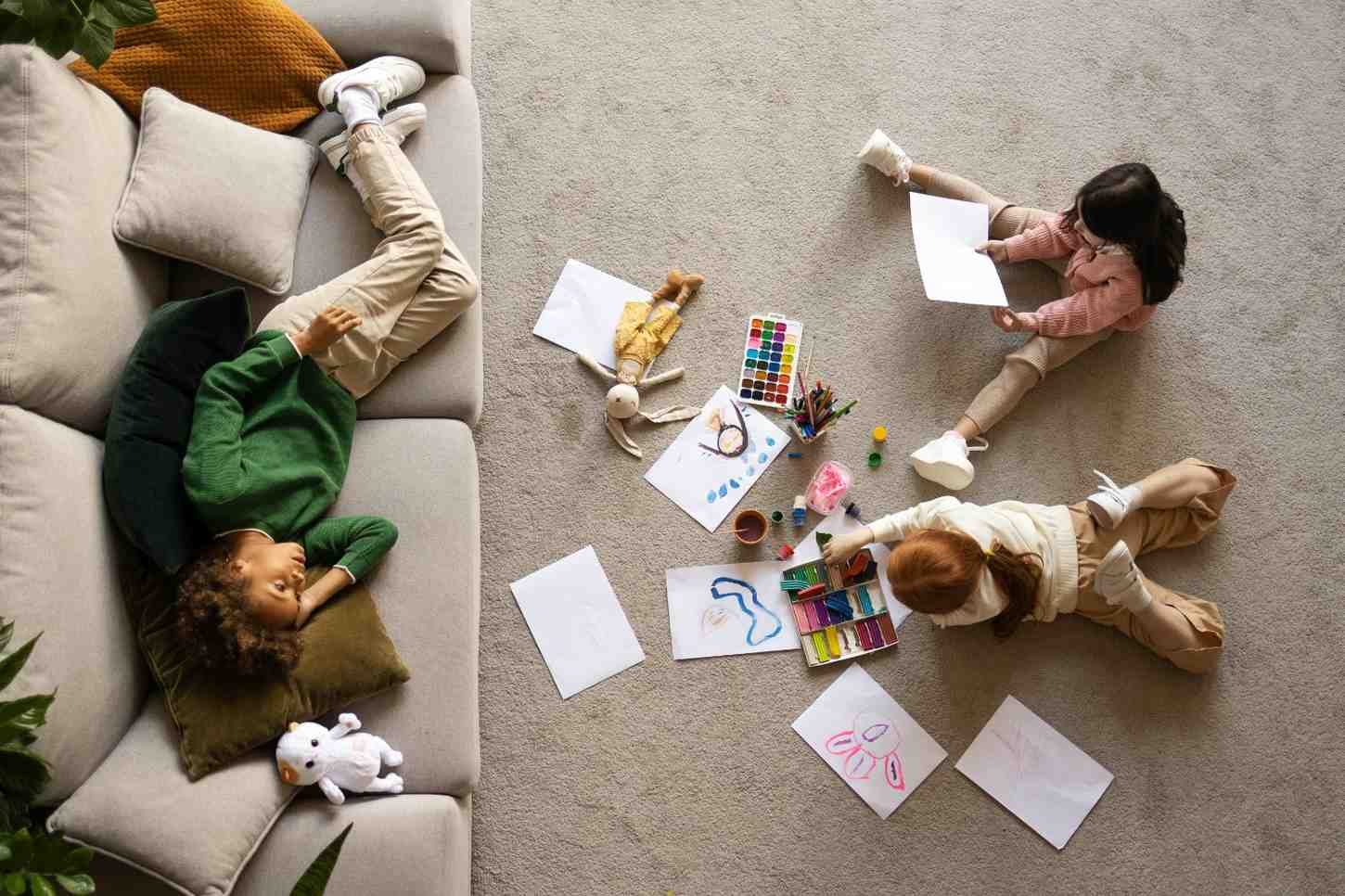
Walk into a room with blocked corners, crowded furniture, and no clear place to sit, and your body often reacts before your mind explains why. I have noticed that a home can feel stressful even when it is technically clean, simply because the furniture placement creates pressure.
A clutter free furniture layout for mental health helps solve that by making each room feel open, useful, and emotionally lighter. With better flow, natural light, hidden storage, and calm focal points, your home can support rest, focus, and everyday peace instead of adding to your mental load.
Why Clutter-Free Furniture Placement Affects Your Mind
A cluttered room gives the brain too much information to process. Crowded furniture, visible cords, full shelves, and blocked corners can make a space feel smaller and more chaotic. Over time, that visual clutter may increase tension, reduce focus, and make relaxing harder.
A calm furniture layout works differently. It creates open sightlines, simple movement, and clear zones for rest, work, storage, and connection. Instead of constantly reacting to the mess, I can move through the room without friction. That small change can make a home feel more peaceful and emotionally balanced.
How to Create Clear Visual Pathways
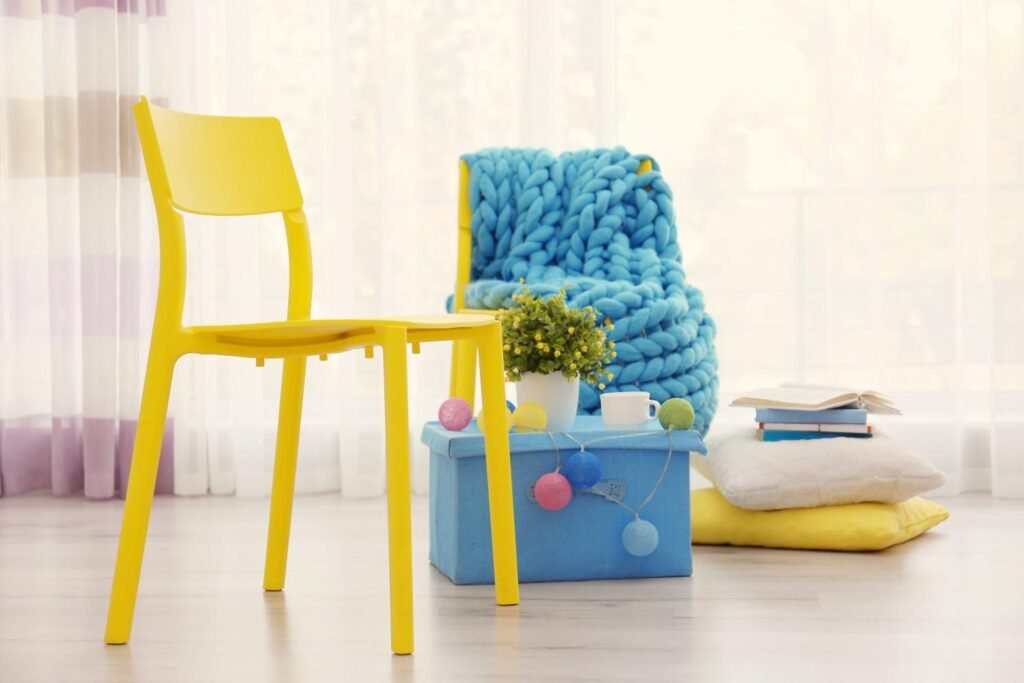
The first rule of a stress-free home layout is flow. I like to keep wide, unblocked paths between major furniture pieces, especially between doors, sofas, beds, closets, desks, and windows. When I do not have to squeeze around furniture, the room instantly feels less tense.
Low-profile furniture also helps. A lower sofa, simple coffee table, or slim console keeps sightlines open across the room. This reduces the closed-in feeling that often comes from bulky furniture.
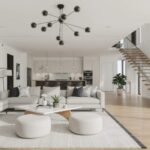
In living rooms, the floating layout can work beautifully. Instead of pushing every piece against the wall, pull the main seating slightly toward the center to create a more balanced, airy space.
Use Mindful Focal Points for a Calmer Room
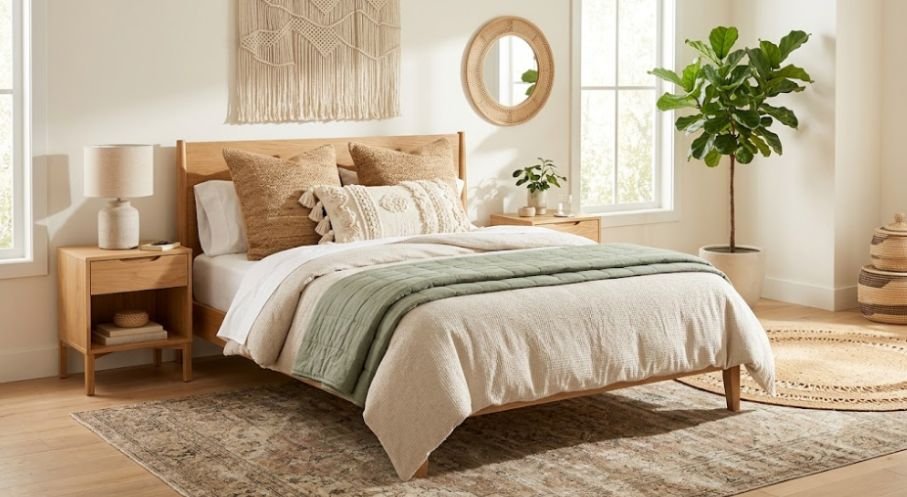
Every room needs a calming anchor. In a living room, that might be a window, fireplace, art piece, or simple coffee table arrangement. In a bedroom, it is usually the bed. In a home office, it may be a clean desk facing a low-distraction wall.
Nature orientation is one of the easiest upgrades. If possible, I would angle the primary sofa, reading chair, or desk toward a window or outdoor view. Natural light and greenery can make a room feel more restorative.
Screen separation also matters. In resting areas, avoid placing work desks, electronics, or TV screens directly in the main relaxation line of sight. When screens dominate a room, the mind stays alert. A calmer layout keeps technology useful but not visually overpowering.
The command position can also support emotional comfort. Place the bed, sofa, or main chair where you can see the door without sitting or sleeping directly in line with it. This layout can create a subtle sense of safety and control.
Build Purpose-Driven Zones
A strong clutter free furniture layout for mental health works because each part of the room has a clear purpose. Instead of letting furniture float randomly, group pieces by activity.
A dedicated task nook can separate work from rest. A desk, chair, small lamp, and closed storage cabinet can create a focused work zone without taking over the entire room. In a bedroom, keep sleep, dressing, and storage areas visually separate when possible.
Face-to-face seating also improves connection. Instead of lining all furniture toward the TV, arrange chairs and sofas in a soft circle or curve. This makes conversation easier and helps the room feel warmer.
A reset corner is another smart idea. Choose one simple corner for mindfulness, reading, prayer, journaling, or quiet breathing. Keep it minimal with a supportive chair, soft lighting, and a plant. The goal is to create one space that always feels calm.
Choose Invisible and Integrated Storage
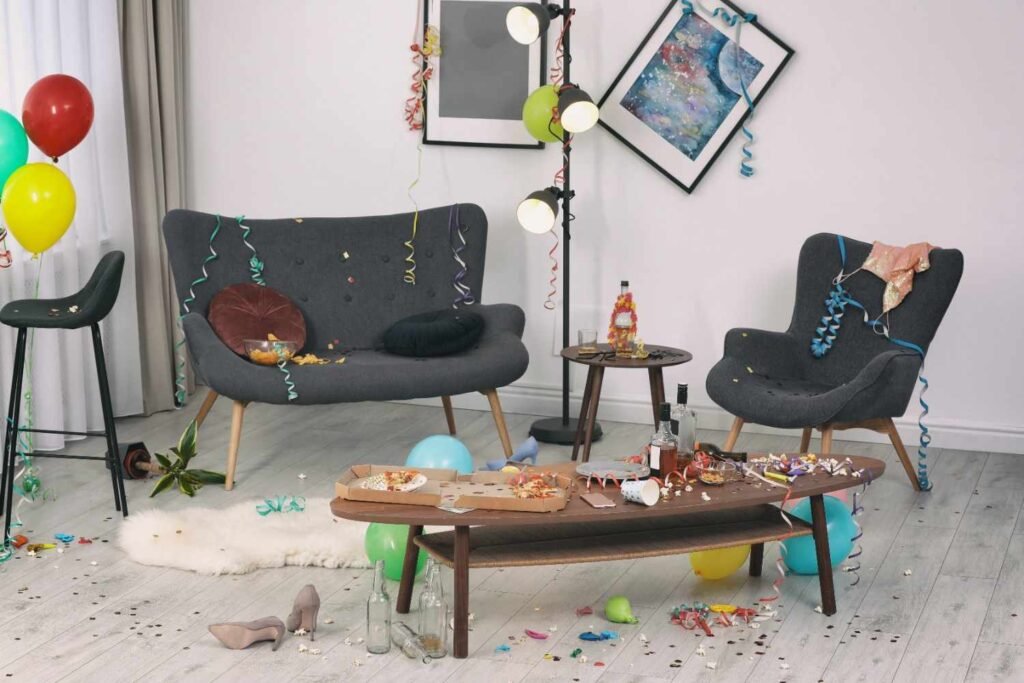
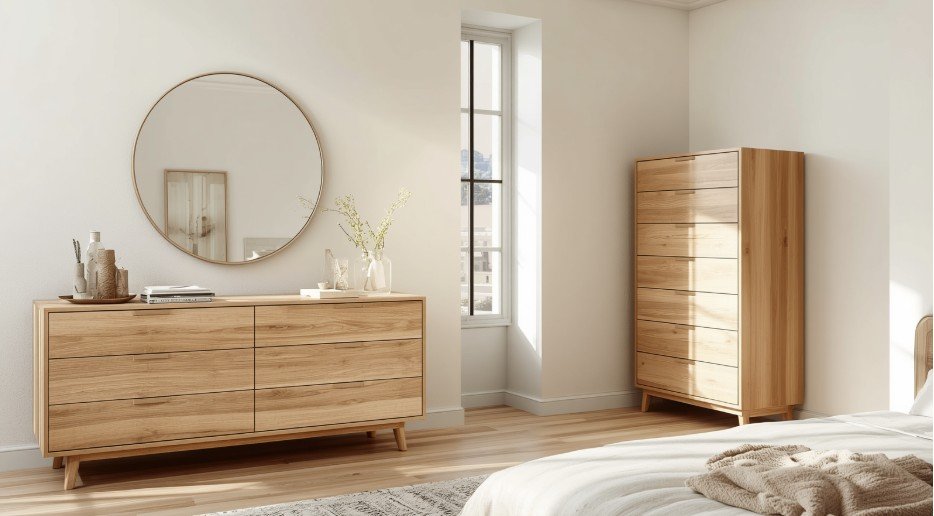
Storage is what keeps a clutter-free layout working every day. Open shelves can look stylish, but too many visible objects create constant visual tracking. Closed cabinets, drawer units, storage ottomans, and built-in-style furniture help hide daily items while keeping them accessible.
Multifunctional anchors are especially helpful in American apartments and smaller homes. A coffee table with hidden storage, a bench with internal compartments, or an ottoman that holds blankets can keep surfaces clear.
Concealed millwork, floating shelves, and cabinets with doors work better than crowded open bookcases when the goal is mental calm. The cleaner the visual field, the easier it is for the mind to rest.
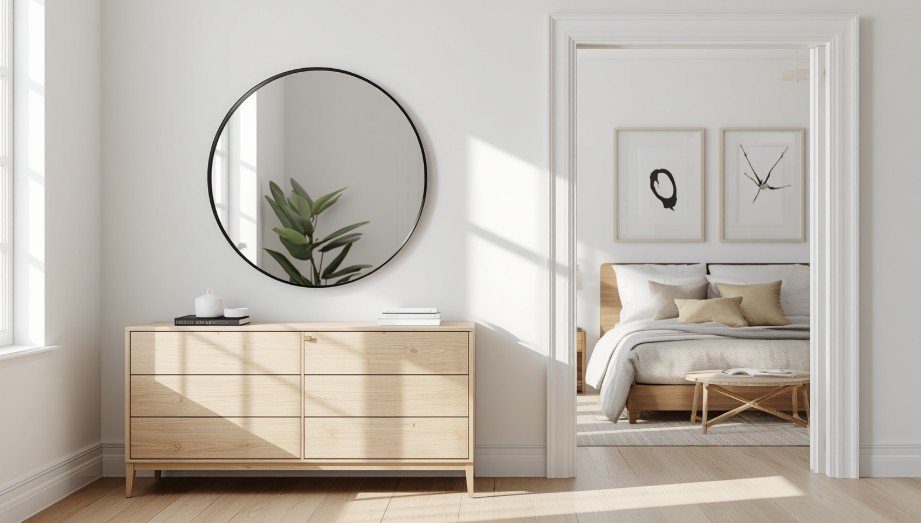
Do not forget the drop zone. A streamlined console table, wall hooks, or small cabinet near the entryway can catch keys, bags, shoes, and mail before they spread into the living room. This one layout choice can prevent daily clutter from taking over the home.
Room-by-Room Layout Tips for Mental Wellness
Living Room Layout for Relaxation
Start with the largest piece, usually the sofa. Make sure it does not block windows, doors, or natural walking paths. Add a coffee table only if it leaves enough space to move comfortably. Use closed media storage to hide remotes, chargers, gaming accessories, and cables.
Bedroom Layout for Better Rest
The bed should feel grounded and easy to access. Avoid placing laundry baskets, office supplies, or workout gear in the main view from the bed. Use nightstands with drawers instead of open tables so small items stay hidden. A calm bedroom should support sleep, not remind you of unfinished chores.
Home Office Layout for Focus
A home office needs clean lines, ergonomic furniture, and simple storage. Place the desk away from high-traffic areas when possible. Keep papers, cords, and supplies inside drawers or cabinets. Good furniture placement can reduce distractions and help work feel more manageable.
Kids’ Room Layout for Emotional Balance
Kids need open floor space, easy storage, and furniture scaled to their size. Low bins, simple shelves, and clear zones for sleep, play, and study help children clean up more easily. A colorful room can still feel calm when the layout is simple.
Small-Space Furniture Layout Ideas
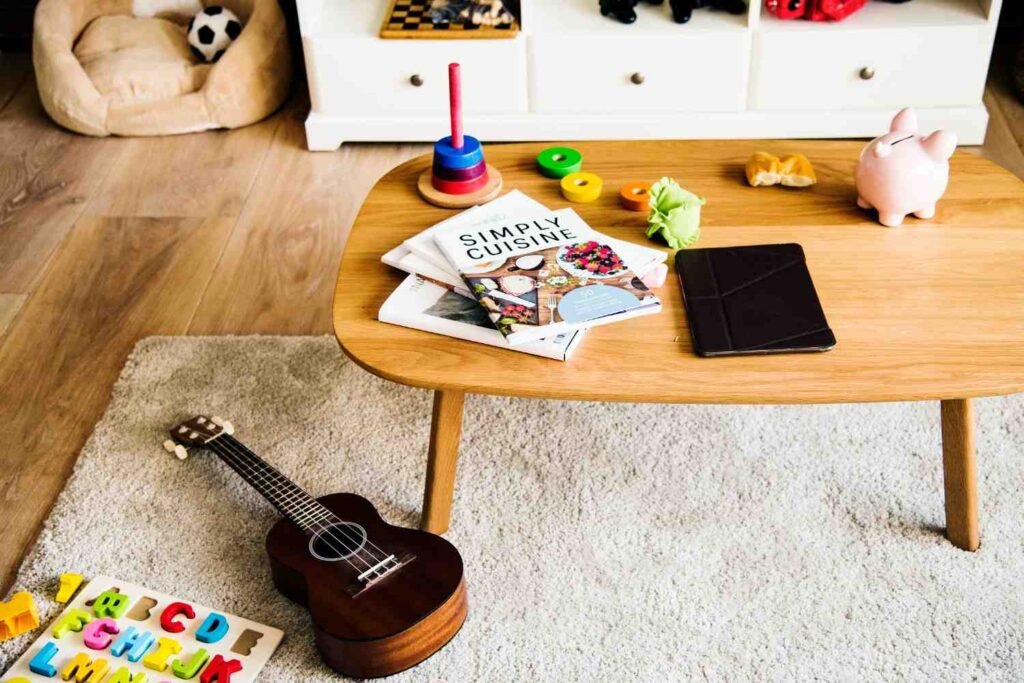
Small spaces need fewer, smarter pieces. Choose furniture that serves more than one purpose, such as a sleeper sofa, storage bench, nesting table, or wall-mounted desk. Use vertical space with shelves and cabinets so the floor stays open.
Avoid oversized furniture in small rooms. Large sectionals, bulky dressers, and heavy tables can make a room feel cramped even when it is clean. The right scale makes the space feel more open and emotionally lighter.
Common Layout Mistakes That Increase Visual Stress
One major mistake is filling every wall and corner. Empty space is not wasted space. It gives the eyes a place to rest.
Another mistake is using too many small furniture pieces. Multiple side tables, baskets, stools, and shelves can make a room feel scattered. It is usually better to choose fewer pieces with stronger function.
The biggest mistake is ignoring real habits. If bags always land by the door, create an entry drop zone. If blankets pile up on the sofa, use a storage ottoman. If paperwork spreads across the kitchen, add a small filing drawer nearby. In a child’s room, placing a kids study table and chair in a quiet corner can also keep homework supplies organized instead of scattered across the home. A layout works best when it matches daily life.
Frequently Asked Questions (FAQs)
1. How does furniture layout affect mental health?
Furniture layout affects mental health by changing how a room feels, functions, and supports movement. Clear pathways, natural light, and organized storage can reduce stress and visual overload.
2. What is the best way to make a room feel less cluttered?
Use properly sized furniture, keep walkways open, choose closed storage, and remove pieces that do not serve a clear purpose. A room feels calmer when every item has a place.
3. What furniture is best for reducing visual clutter?
Storage ottomans, closed cabinets, drawer nightstands, media consoles with doors, and wall-mounted shelves help reduce visual clutter while keeping daily items easy to reach.
4. Can a clutter-free layout help with anxiety?
A clutter-free layout may help create a calmer environment by reducing visual noise, blocked movement, and spatial pressure. It supports a more peaceful daily routine.
Final Takeaway
I believe the best home layouts are not just beautiful. They make daily life feel easier. When furniture supports movement, storage, natural light, emotional comfort, and emotional well-being, the home becomes more than a place to sit or sleep. It becomes a space that helps you reset.
A clutter free furniture layout for mental health gives every room a clear purpose and every item a proper place. With open pathways, mindful focal points, hidden storage, and calm zones, your home can feel lighter, quieter, and more supportive every day.