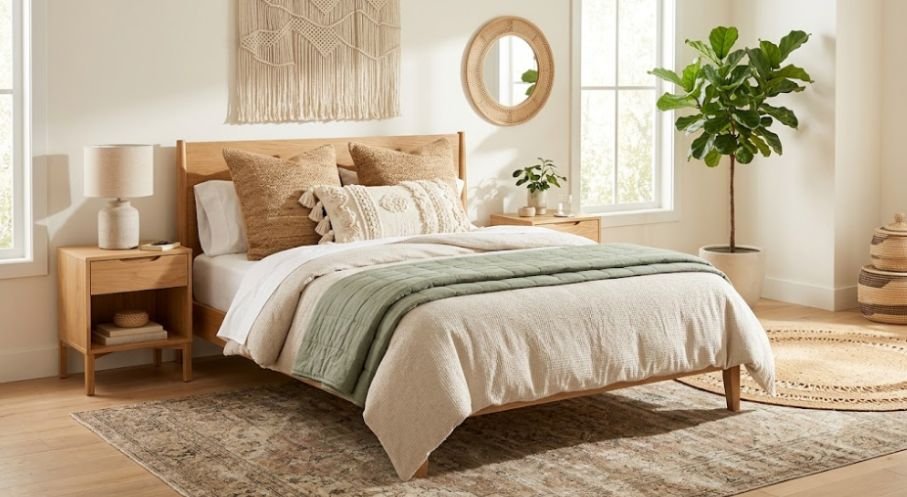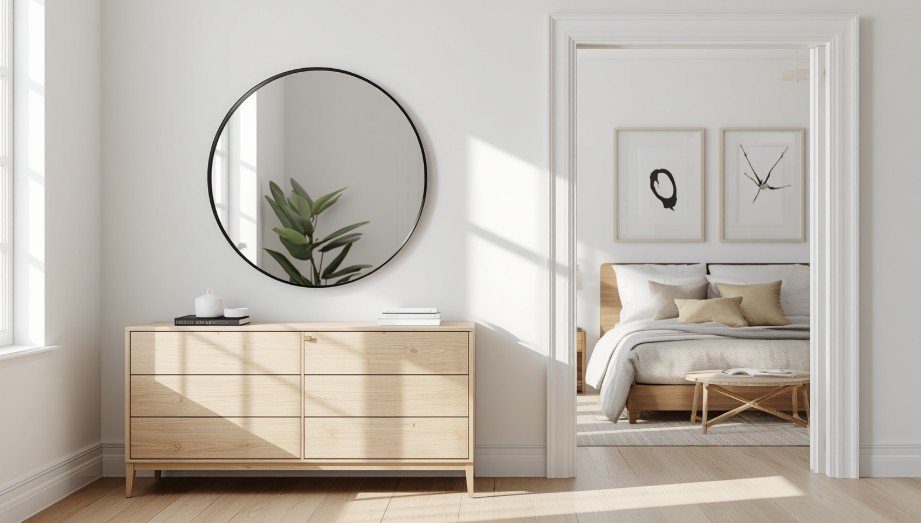
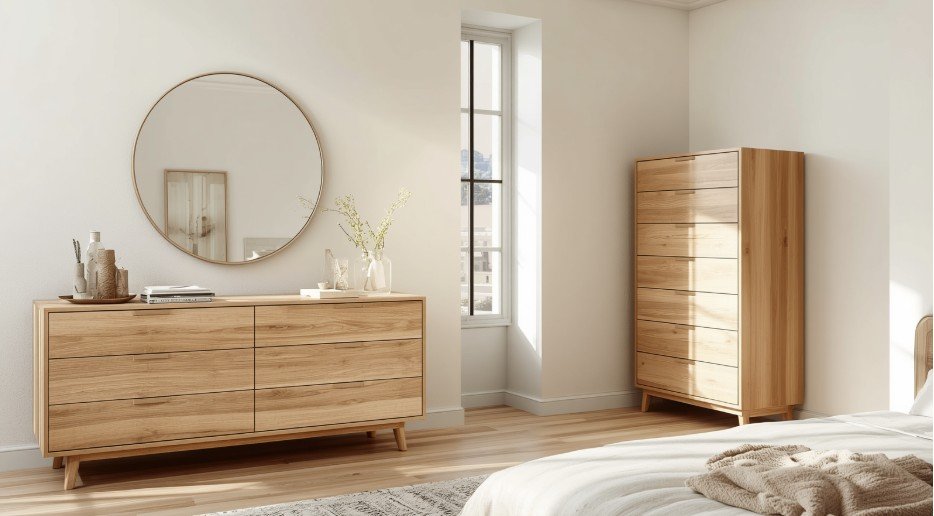
Stepping into a chaotic room with clothes draped over chairs makes anyone realize that proper home and living organization is an absolute lifesaver. Finding the perfect balance between style and utility often brings you down to one classic furniture debate: the horizontal dresser versus the vertical chest of drawers.
Investing in the right dresser vs chest of drawers bedroom setup will completely change your morning routine and bring long-term harmony to your personal sanctuary.
Unpacking the Core Differences
Understanding the structural differences between these two heavyweights will completely change how you plan your master suite or guest room layout.
Sizing Up the Horizontal Dresser
A standard dresser is a long, wide furniture piece that sits relatively low to the ground, usually topping out around waist height between 30 to 40 inches.
Because of this wide footprint spanning 50 to 60 inches across, it gives you spacious drawers that are perfect for folded everyday clothes like t-shirts and underwear. The sprawling top surface is an interior designer’s dream, offering plenty of room to style beautiful lamps, jewelry organizers, or decorative trays.
Discovering the Vertical Chest
A traditional chest of drawers takes the opposite approach by stacking its storage compartments vertically to maximize your wall space with a height of 48 to 60 inches.
These tall units are incredibly slender, measuring only 30 to 40 inches wide, which means they can slip into tight corners, walk-in closets, or narrow walkways where a wide unit would block traffic.
While you lose out on a wide tabletop display surface, you gain valuable floor area to keep your room feeling open and breezy.
Key Differences at a Glance
Evaluating how these units stack up side by side makes it easy to spot the right choice for your lifestyle.
Dimensions and Footprint Analysis
The physical presence of these pieces alters the room landscape in completely opposite ways. Dressers command significant horizontal floor space, requiring a long, uninterrupted wall to sit comfortably without blocking doors or outlets.
Chests utilize vertical room real estate instead, making them the ultimate problem solvers for homes with minimal floor space but plenty of open wall height for rightly living small.
Storage Style and Drawer Depth
The interior architecture of each piece dictates exactly what kind of wardrobe items it can comfortably hold. Dresser drawers are typically shallower and wider, allowing you to lay out clothing in clear, visible rows so nothing gets buried at the bottom.
Chest drawers are much deeper, making them excellent for storing bulkier items like thick sweaters, extra bedding, heavy denim, or winter blankets.
Top Surface Usage and Versatility
The upper boundary of your furniture determines whether it serves a dual purpose in your daily lifestyle. Dressers provide ample surface space for placing a dresser with mirror combination, displaying sentimental decorative items, or setting up a flat-screen television.
Chests offer minimal top space, meaning they are built purely for clothing storage rather than serving as a display hub or a media center.
Room Fit and Ideal Placement
Every layout has a natural affinity for one of these pieces based on total square footage and traffic flow. Dressers are best suited for master bedrooms and larger floor plans where you have room to move around freely.
Chests are ideal for compact rooms, guest bedrooms, children’s spaces, or even narrow hallways that need an extra organizational boost.
Smart Styling and Versatility Beyond the Bedroom

Decorating a home means looking at furniture as an investment that can evolve with your living situations over time.
Creating a Vanity Hub with Dressers
Because a dresser sits low to the ground, it leaves a generous amount of open wall space directly above the unit. This makes it the absolute perfect partner for a matching wood frame mirror or an oversized circular statement piece.
By adding a small stool and a couple of clear acrylic organizers, you instantly transform a simple clothing storage unit into a gorgeous, high-functioning morning vanity station.
Moving Storage into Diverse Living Spaces
Chests of drawers are secret chameleons in the world of home decor because their compact footprint fits beautifully outside your sleep space. A beautifully crafted wooden chest looks right at home sitting in a formal dining room to hold table linens and silver.
You can just as easily place one in a spacious entryway to wrangle winter gloves, or tuck it into a home office to keep printing paper and supplies neatly hidden away.
How to Choose the Right One
Assess your daily life balance and your room’s physical limitations will point you directly toward the winning furniture piece.
Analyzing Your Floor Plan and Ceilings
Take a quick look around your room and note where your windows, doors, and electrical outlets sit before making a final purchase. If your space has low, slanted ceilings or large windows that drink up wall space, a low-profile dresser will fit under those architectural features beautifully.
On the flip side, if you are working with a tight apartment floor plan but have soaring ceilings, a tall chest draws the eye upward and capitalizes on that unused vertical real estate.
Assessing Your Daily Wardrobe Storage Needs
Think about the actual items you need to organize because the layout of the drawers drastically changes how you interact with your clothes. Couples sharing a room typically thrive with a double dresser because the side-by-side columns create a natural, fair division of personal space.
Single sleepers or minimalist decorators often find that a five-drawer chest offers more than enough organized vertical space for a streamlined wardrobe.
Maximize Your Space: The Pro Layout Method
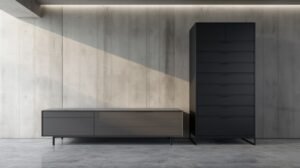
Arranging your bedroom furniture correctly requires a strategic approach to balance visual weight, maximize storage capacity, and preserve comfortable walking paths around the bed.
First, measure the exact walking clearance in front of your proposed furniture location by pulling out a tape measure and marking the depth of the piece with the drawers fully extended.
You need at least two feet of open floor space past an open drawer to comfortably stand, sort laundry, and walk by without bumping your shins. If you are debating a dresser vs chest of drawers bedroom layout, this simple measurement test will instantly eliminate options that are too deep for your floor plan.
Second, map out the visual height boundaries of the room by placing taller furniture pieces on walls opposite your main entrance to prevent the space from feeling cramped when you cross the threshold.
If you place a towering chest of drawers right next to the entry door, it casts a heavy visual shadow over the entryway. Keeping the sightlines open ensures that your home environment feels inviting, airy, and balanced from the moment you walk through the door.
Third, multi-purpose your surfaces by utilizing the low profile of a wide dresser to position a flat-screen television at the perfect ergonomic viewing height from your bed.
If you opt for a tall chest instead, skip the television and use the top surface to display a cascading pothos plant or a small sculptural accent piece that celebrates the height. This intentional zoning keeps your home looking curated rather than cluttered.
Frequently Asked Questions
1. Is a chest or dresser better for bedroom setups?
A dresser is better for large spaces needing deep storage and mirror placements. A chest is superior for smaller rooms or tight corners because it utilizes vertical wall space without consuming precious floor area.
2. Is it called a dresser or a chest of drawers?
A dresser is short, wide, and designed to accommodate a mirror on top. A chest of drawers is a tall, narrow vertical tower of drawers that does not pair with a mirror.
3. Do people still use chest of drawers in modern homes?
Yes, chests of drawers remain incredibly popular in modern home design. They are essential for apartment living, tiny homes, children’s spaces, and maximizing storage in walk-in closets or multi-purpose home offices.
4. Should a bedroom have a dresser or vertical storage?
A space should have a dresser if you have the horizontal wall space and prefer organizing clothes side-by-side. However, a chest or built-in closet system can easily replace it if space is limited.
The Perfect Match for Your Bedroom Bliss
Finding the right balance between a spacious dresser vs chest of drawers bedroom setup comes down to honoring your home’s unique footprint.
Whether you choose the grand, mirror-ready styling surface of a horizontal dresser or the smart, space-saving vertical height of a sleek chest, selecting a piece that cuts the clutter will instantly elevate your daily peace of mind.